
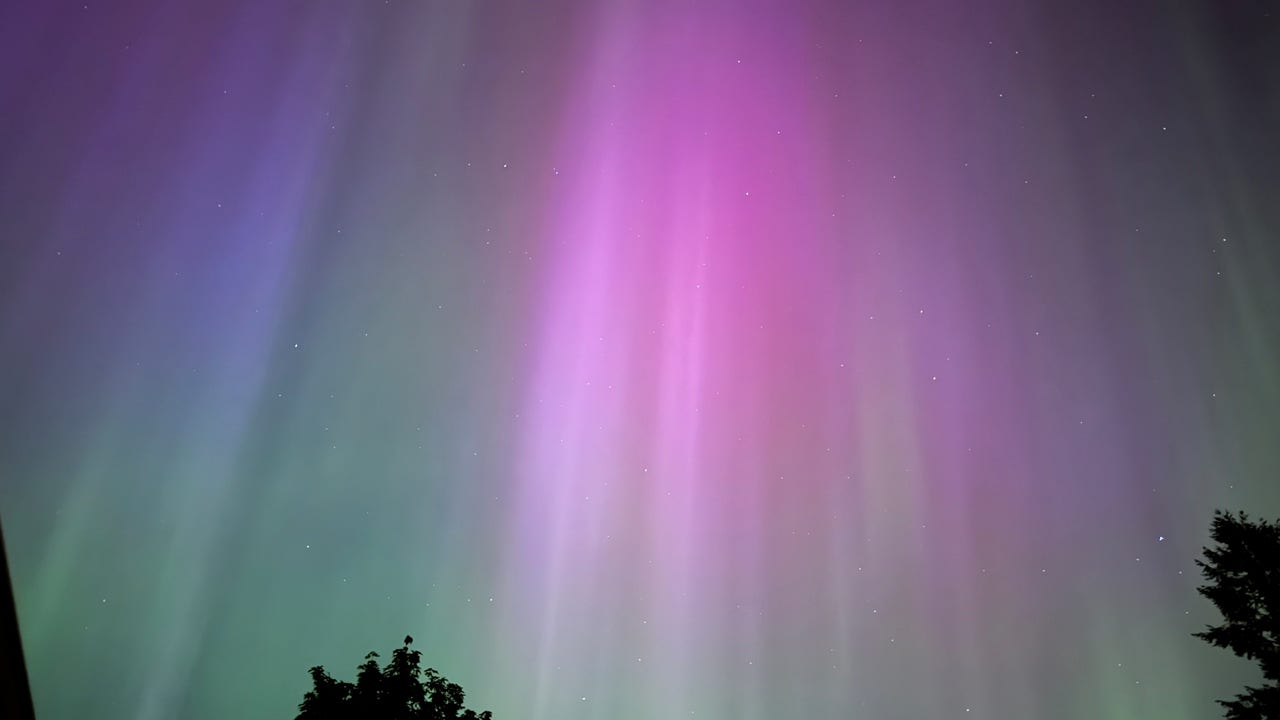

The Northern Lights, or Aurora Borealis, are a celestial phenomenon that captivates the imaginations of many, stirring a longing in the hearts of stargazers and adventurers alike. While we often associate these ethereal displays with regions far north—like Alaska and Canada—many people are surprised to learn that Seattle, nestled in the Pacific Northwest, provides occasional opportunities to witness this captivating natural light show. But can you really see the Northern Lights in Seattle? Let’s delve into the myriad aspects surrounding this enchanting event.
The Science Behind the Spectacle
To comprehend how the Northern Lights manifest, we must first explore the science underpinning this cosmic ballet. The phenomenon occurs when charged particles emitted by the sun—called solar wind—collide with gases in the Earth’s atmosphere. This interaction excites the gas particles, causing them to emit light. Typically, oxygen and nitrogen are the primary contributors to the vibrant colors seen in the sky, ranging from greens to reds and purples.
The Earth’s magnetic field plays an indispensable role in guiding these solar particles toward the poles, which is why the Northern Lights are predominantly visible in places like Norway and Greenland. That said, during periods of heightened solar activity, such as solar flares or coronal mass ejections, the northern lights can be pushed further south, making them visible in places like Seattle.
When is the Best Time to See the Northern Lights in Seattle?
Timing is everything when it comes to observing the Northern Lights. The optimal months for viewing are typically during the fall and winter (from September to March), when nights are longest, and skies are darker. Within this timeframe, specific conditions can enhance your chances of witnessing the auroras.
The best nights are often characterized by clear skies, minimal light pollution, and increased solar activity. While Seattle’s urban environment is known for its vibrant city lights, venturing out of the city toward less populated areas—like Snoqualmie Pass or even further into the Cascade Mountains—can significantly improve visibility.
Staying attuned to space weather forecasts is also paramount. The National Oceanic and Atmospheric Administration (NOAA) provides alerts and predictions on solar activity, helping enthusiasts plan their aurora-viewing missions. Solar storms can be unpredictable, leading to spur-of-the-moment opportunities to witness the lights.
Characteristics of the Northern Lights
What can one expect when the Northern Lights are finally visible? For the uninitiated, the experience is nothing short of magical. The lights often appear as shimmering waves or curtains sweeping across the sky. The hues are influenced by the type of gas involved in the collisions; oxygen emits green and red colors, while nitrogen can produce purples and blues. The interplay of these colors, combined with the movement in the sky, creates a mesmerizing display that leaves observers in awe.
Finding the Perfect Viewing Spot
In and around Seattle, several locations provide optimal viewing conditions for the Northern Lights. While the heart of the city may be filled with ambient light, heading to the outskirts can offer a refuge from urban glow. Places like Discovery Park, or even the shores of Alki Beach, can provide decent visibility if the conditions are right. Additionally, areas north of Seattle, like Whidbey Island or Deception Pass State Park, are also popular for those in search of dark skies.
Choosing a spot with a wide horizon is essential. This allows a broader view of the sky, increasing the chances of catching fleeting glimpses of the auroras dancing overhead. Remember to bring along a blanket or chair, hot drinks, and, perhaps, a companion to share the experience—after all, the Northern Lights are as much about emotional connections as they are about visual splendor.
Photography Tips for Capturing the Northern Lights
For those looking to immortalize their Northern Lights experience through photography, preparation becomes key. Using a DSLR or mirrorless camera with manual settings will yield the best results. Set your camera on a tripod to ensure stability during long exposure shots, which are necessary to capture the faint glow of the auroras. Adjust your ISO settings to a higher range (between 1600 and 6400), use a wide aperture (like f/2.8), and set your shutter speed to capture those mesmerizing details in the sky.
Patience is vital, as auroras can flicker in and out. Also, consider the foreground; unique landscapes or silhouetted trees can add depth and context to your photographs. Always remember, capturing the magic of the Northern Lights is as much about the journey as the destination.
Community and Cultural Significance
The Northern Lights have woven their way into the cultural tapestry of many Indigenous peoples across the Arctic, often being seen as a bridge between the earthly and spiritual realms. In Seattle, a melting pot of cultures, the experience can also foster a sense of community among individuals from diverse backgrounds, all coming together to witness this awe-inspiring display of nature.
Events and gatherings encouraging stargazing and enriching communal experiences can transform solitary viewing into a shared journey. Local astronomy clubs and public observatories may organize viewing nights, offering not just a chance to see the lights, but to learn about their significance and the science behind them.
Conclusion
Though Seattle may not be the first place that comes to mind when considering where to see the Northern Lights, the prospect is neither a whimsical dream nor a far-off fantasy. With the right preparation, timing, and setting, Seattleites and visitors alike can embrace the possibility of witnessing this extraordinary phenomenon. Whether under the cosmic glow or as part of a community gathering, the Northern Lights remind us of the wonders of our universe—a privilege to cherish and celebrate.
