
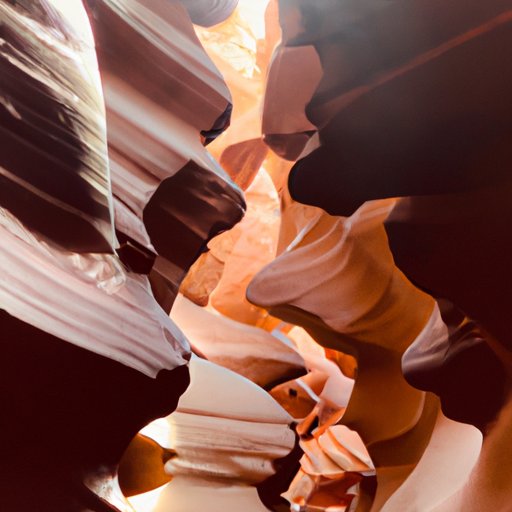

Antelope Canyon, with its undulating waves of ochre and amber sandstone, resembles an artist’s brushstrokes, painting a canvas that is as ephemeral as it is mesmerizing. The deceptively tranquil corridors of this enchanting slot canyon invite wanderers into a surreal labyrinth, offering a glimpse into nature’s unparalleled artistry. But can one truly experience this geological marvel without the guidance of a tour? The question is both simple and profound, unraveling a tapestry of adventure that many wanderers yearn to explore.
To set the stage, it’s essential to understand the allure of Antelope Canyon. Formed over eons through the erosion of Navajo sandstone by flash flooding, the canyon captivates visitors with its intricate patterns and vibrant hues, illuminated by shafts of sunlight that pierce through the narrow openings above. It’s a hallowed ground for photographers and adventurers, a veritable cathedral of nature that promises not just sights but a visceral connection to the earth’s geological history.
Connecting to this natural gem without a formal tour can indeed feel like attempting to sip in a fine wine straight from the bottle. There are nuances, subtleties, and experiences that may evade the uninformed. The notion of traversing Antelope Canyon independently can evoke a sense of freedom akin to sailing uncharted waters. However, there are guiding principles and caveats woven into this exploration that merit closer scrutiny.
First and foremost, the canyon is situated on Navajo land. This designation imbues the area with cultural significance, necessitating a respectful understanding of local customs and regulations. In most cases, visiting Antelope Canyon requires a tour guide, a custodian of stories who can illuminate the canyon’s history and its place within the Navajo tradition. Consider your guide as a key, unlocking the myriad secrets of this natural wonder—without them, the intricate beauty of the canyon’s formations may remain hidden, like obscure stars obscured by urban light.
If you are pondering the possibility of navigating the canyon without a tour, it is important to note the two distinct sections of Antelope Canyon: Upper Antelope Canyon and Lower Antelope Canyon. Both sections offer stunning views, yet they differ significantly in terms of accessibility and control over visitors.
Upper Antelope Canyon, famed for its light beams cascading down the narrow crevices, is wholly dependent on guided tours. The sheer density of visitors and the need for crowd control necessitate this structure. Admission to this section requires a reservation with an approved tour operator, effectively curbing any hope of an unaccompanied foray. Imagine wanting to dance freely in a banquet hall, only to find it besieged by an organized event—while the atmosphere is vibrant, your freedom is curtailed by the constraints of the arrangement.
On the other hand, Lower Antelope Canyon retains a slightly flexible approach. While tours are prevalent and advisable, a small number of visitors have successfully explored the lower section without an official guide by obtaining a permit. Navigating this option requires meticulous planning and understanding of the terrain. With its winding staircases and narrower pathways, Lower Antelope can almost feel like a personal discovery, akin to piecing together a cherished family puzzle that reveals more with each exploration.
However, the possibility of wandering through Lower Antelope Canyon without a guide does not come without its challenges and risks. Flash floods pose a severe threat, transforming this serene paradise into a treacherous environment. Knowledge of weather patterns and safety protocols is paramount—one must remain vigilant, in tune with nature’s moods. The allure of spontaneity can be intoxicating, but the realities of the wild often impose sobering boundaries.
For those yearning for a more intimate experience, indulging in a guided tour can be akin to inviting a seasoned storyteller into your home, where ancestral tales unfold in ways that deeply resonate with the soul. A good guide does more than relay facts; they weave narratives that enrich the experience, offering insights into the geology, flora, and fauna, as well as the cultural significance held dear by the Navajo people. This connection transforms a mere visit into a pilgrimage—an embrace of the earth’s wild spirit.
In addition to tours, consider timing your visit with purpose. Early morning or late afternoon visits might yield a quieter atmosphere, allowing for moments of contemplation—think of it as savoring a fine chocolate, letting the flavors linger on your palate. The golden light filtering through the canyon can create an ethereal glow, enhancing the textures of the sandstone like the gentle caress of a sunbeam on your skin.
Another compelling aspect to consider is the surrounding landscape. Glen Canyon National Recreation Area provides an ample backdrop for exploration. Pairing your Antelope Canyon experience with a hike at nearby Horseshoe Bend or a jaunt along the shores of Lake Powell adds layers to your adventure. It’s akin to enjoying a balanced meal; one dish complements another, creating a feast that gratifies both body and spirit.
Ultimately, to choose between a guided tour or an independent adventure through Antelope Canyon is to weigh personal aspiration against the collective wisdom of the land. The canyon whispers a complex narrative, one that is best heard in the company of those who understand its dialect. While the siren song of autonomy beckons, there’s a certain grace in surrendering to the expertise of a guide, allowing the canyon to reveal its secrets at its own pace.
In conclusion, while traversing Antelope Canyon without a tour is not as straightforward as one might wish, the essence of the adventure remains vibrant and alive. The choice between guided exploration and independent discovery offers its own unique rewards, much like deciding between savoring a crafted cocktail or brewing your own tea at home. Each path leads to a renewed appreciation of nature’s artistry—each footstep a moment closer to understanding our place within this awe-inspiring landscape.
