

Car detailing is an essential practice for those who care about maintaining their vehicle’s aesthetic appeal and protecting its value over time. However, one of the persistent vexations that car owners encounter is the appearance of hard water spots. These unsightly blemishes not only detract from your car’s visual allure but can also potentially damage the paintwork if left untreated. This guide aims to illuminate the nuances of removing hard water spots from your vehicle while fostering a deeper awareness of this supposedly trivial yet impactful aspect of vehicle maintenance.
Hard water spots are the aftermath of water droplets evaporating on the car’s surfaces. During this process, minerals like calcium and magnesium are left behind. These minerals crystallize, creating a stubborn film that can be exceedingly difficult to remove. This isn’t merely a cosmetic concern; it represents a broader challenge of maintaining the integrity of your automobile, as prolonged exposure to these deposits can etch into the paint, leading to costly repairs down the line.
To combat this issue effectively, it becomes imperative to adopt a multifaceted approach. First and foremost, understanding the environmental conditions that contribute to hard water accumulation is crucial. Areas with high mineral content in their water supplies are particularly prone to this issue. Consequently, if you live in such a region, you may want to invest in preventive measures, such as a water softener or appropriate shelter for your vehicle.
While prevention is ideal, let’s delve into the corrective measures that can be taken when hard water spots do appear. Assessing the severity of the damage is the first step. If your vehicle is adorned with merely a few spots, a simple wash coupled with a detailed drying process might suffice. However, for more persistent stains, more specialized procedures will be necessary.
**Preliminary Cleaning**
Begin with a thorough wash of your vehicle using a pH-balanced car soap. Using a harsh detergent might exacerbate the problem by stripping away protective wax layers. Scrub gently to remove dirt and debris, ensuring you’re not causing additional harm to the paint. After washing, rinse the car thoroughly with distilled water, which is free from the minerals that contribute to hard water spots.
**Drying the Vehicle**
The next step is to dry the vehicle rigorously. Microfiber towels are the most effective tools for this task, as they are gentle on paint and highly absorbent. Avoid air drying, as leaving water droplets to evaporate will only encourage the formation of more water spots.
**Spot Treatment**
If you still observe hard water spots post-wash and drying, it’s time to employ a more aggressive treatment approach. Vinegar, a natural, yet potent acid, is effective in dissolving mineral deposits. Mix equal parts of white vinegar and distilled water in a spray bottle. Spray this solution directly onto the spots and allow it to sit for a few minutes. The acid in the vinegar will help break down the minerals.
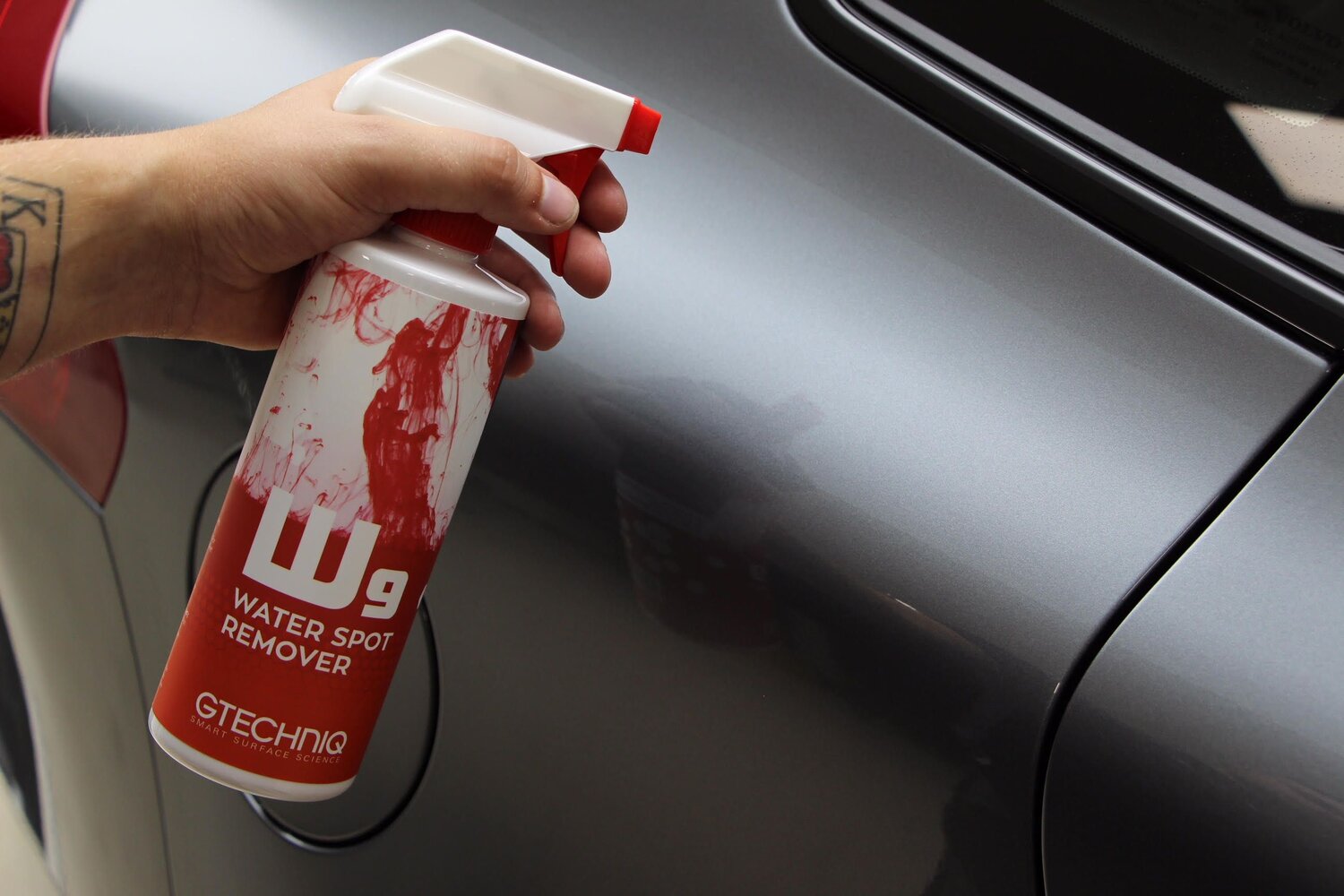
Alternatively, commercial descalers or specific detailing products designed to remove water spots can be employed. Always refer to the manufacturer’s instructions to avoid damaging your car. After application, rinse thoroughly with distilled water and dry the area with a microfiber towel.
**Polishing the Affected Area**
In cases where mineral deposits have left more than a simple stain and are visibly marring the surface, polishing may be necessary. Using a dual-action polisher equipped with a light polish can effectively restore the surface’s shine. Always ensure you work in a controlled manner. Over-polishing can strip away too much of the protective clear coat, rendering your vehicle susceptible to further damage.
**Sealing the Surface**
Once the spots have been effectively removed, applying a high-quality wax or sealant is crucial for protection against future occurrences. This step creates a hydrophobic layer on your vehicle’s surface that makes it harder for minerals to adhere and makes future cleaning easier.
**Maintaining Your Vehicle**
The key to preventing hard water spots from becoming a recurring issue lies in regular maintenance. Washing your car bi-weekly, particularly after heavy rain or exposure to sprinklers, will diminish the likelihood of mineral build-up. Additionally, consider drying your vehicle immediately after washing or being exposed to rain to prevent water from sitting on the surface too long.
**The Bigger Picture**
While hard water spots may seem like a minor nuisance, they symbolize a broader environmental concern regarding water quality and automotive maintenance practices. In an era where sustainability is more vital than ever, being mindful of how we care for our vehicles plays a part in reducing our ecological footprint. Opt for eco-friendly cleaning supplies, and if professional help is necessary, choose a detailing service that prioritizes sustainable practices.
Through a better understanding of hard water spots and the methods to combat them, car owners are equipped not only to maintain their vehicle’s appearance but also to engage in a broader dialogue about environmental responsibility. Caring for your vehicle in a mindful way reflects a commitment not only to your automobile’s longevity but to the environment. As you embark on this detailing journey, remember that every drop counts, both for your car and the planet.
