
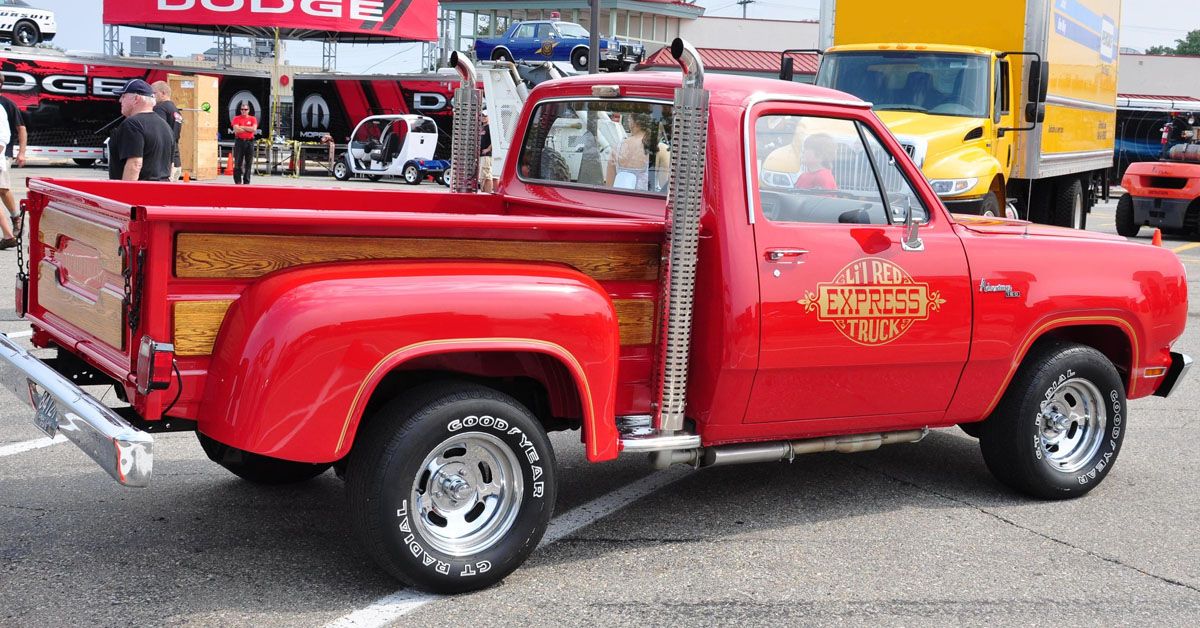

The 1980s marked a tumultuous era for the American automotive industry, characterized by a remarkable conundrum between innovation and reliability. During this decade, American car manufacturers were grappling with shifting market demands, increasing competition from abroad, and the escalation of consumer expectations regarding vehicle performance. The outcome was a patchwork of dependable and unreliable vehicles, often steeped in a culture of mediocrity when it came to quality control and engineering standards.
At the outset of the decade, American automotive brands were beleaguered by the effects of the oil crisis and economic downturn that had begun in the 1970s. Subsequently, many manufacturers were compelled to rethink their strategies—to pivot from their traditional large, gas-guzzling vehicles to more compact and fuel-efficient models. This radical shift came with growing pains, which exposed many car models to reliability issues that would plague the industry for years to come.
One notable aspect of this era was the introduction of the transmission problems that afflicted numerous models. Many consumers found themselves spending their hard-earned money on repairs due to faulty automatic transmissions, particularly in cars from manufacturers like General Motors (GM) and Chrysler. These issues stemmed from a rush to produce more vehicles without a corresponding emphasis on the quality of components. The result? A plethora of cars that left owners stranded, engendering a palpable distrust in American automotive engineering.
The cult of personality surrounding American cars, particularly the muscle and sports models, continued to thrive. However, the inherent problems in their mechanical reliability were stark contradictions to their alluring aesthetics and performance claims. For instance, the Pontiac Trans Am, a symbol of American muscle, dazzled with its sleek design and power but often underwhelmed when it came to durability. The aesthetic might have dazzled the eye, yet many owners faced issues that included engine failures and extensive repairs.
Moreover, it is crucial to examine how the influx of Japanese manufacturers altered the landscape of vehicle reliability. Brands like Honda and Toyota made significant inroads into the American market with models renowned for their longevity and reliability. The Toyota Corolla and Honda Civic garnered a reputation for less frequent mechanical failures, alternating between efficiency and dependability. This not only set a benchmark for reliability but also prompted American manufacturers to reassess their production strategies, leading to a gradual yet crucial reformation of engineering practices throughout the industry.
An additional pivotal element in the equation of car reliability during the ’80s was the implementation of regulatory standards and safety measures. The decade witnessed increasing regulatory scrutiny, catalyzed by a growing concern for consumer safety and environmental impacts. The introduction of safety features such as airbags and anti-lock brakes started to standardize certain expectations, yet inconsistent quality standards among auto manufacturers often resulted in a jarring juxtaposition between intentions and execution. Cars that adhered strictly to regulations, like the Ford Taurus, touted both safety and stylistic innovation; however, they too were not immune to mechanical failures and recalls.
In the face of these realities, the fixation with style over substance became palpable. The rise of personal computing and technological advancements proved alluring; however, many American manufacturers were less adept at integrating such innovations into their vehicles. While features like digital dashboards and advanced audio systems emerged, they often compromised reliability. Electrical components were particularly suspect, leading to frustrating instances where drivers encountered malfunctioning systems frequently necessitating service visits.
The fluctuating economic landscape also contributed to car reliability challenges. Automakers often opted for less expensive materials to cut costs, which frequently translated into lower-quality vehicles. The dichotomy existed: while manufacturers sought to produce more affordable cars, the long-term implications for reliability suffered significantly. Thus, many Americans found themselves facing the dilemma of choosing affordability at the expense of longevity, a trade-off few anticipated when purchasing their vehicles.
Interestingly, throughout this tumultuous decade, some automakers stood out for their commitment to quality despite the overarching reliability issues. Brands like Ford began to adopt more stringent quality assurance processes, with the Ford Escort entering the market as a noteworthy example of an efficient, reliable vehicle. These offerings provided a beacon of hope to consumers still willing to support domestic automotive production, paving the way for gradual improvements in manufacturing standards.
In conclusion, the reliability of American cars in the 1980s served as a mirror reflecting the complexities and challenges faced by the automotive industry during that era. A convergence of market pressures, regulatory changes, and evolving consumer expectations birthed a myriad of vehicles that often straddled the line between genius and folly. While certain models achieved accolades for their design and performance, others fell victim to the creeping malaise of reliability failures. It’s a testament to the industry’s capacity for reinvention—a hard-earned lesson in quality that would shape the fabric of American automotive craftsmanship in the decades that followed. The 1980s, in retrospect, was not just a decade of unreliable cars but also a watershed moment for the American automotive narrative, culminating in essential revisions that would ultimately give rise to a more resilient and reliable automotive landscape in the future.
