
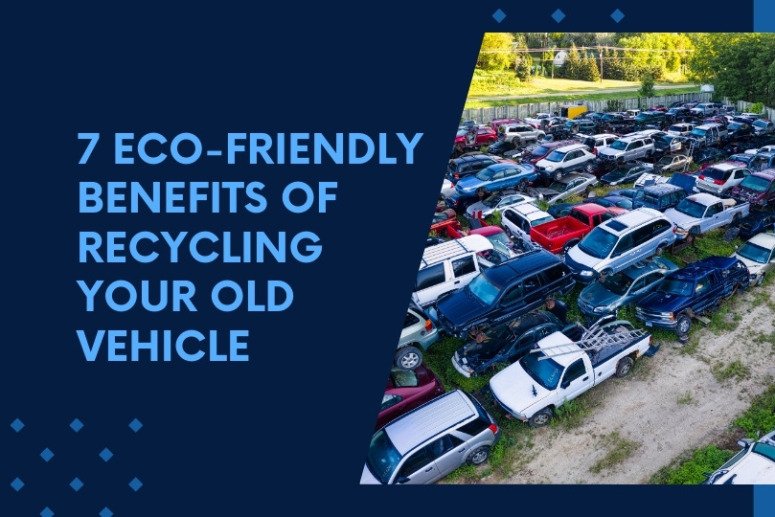

In the dynamic world of automotive commerce, the notion of trading in your old vehicle frequently elicits a multitude of assumptions and preconceived notions. Yet, beneath the surface of this commonplace transaction lies a wealth of benefits that extend far beyond mere monetary considerations. Car trade-ins may appear as a simple exchange of one vehicle for another; however, they encapsulate a myriad of advantageous implications that simultaneously enhance personal convenience while contributing positively to the broader ecosystem.
Firstly, let’s delve into the economic incentives that car trade-ins offer. Selling a used vehicle outright can be a cumbersome endeavor. It often involves navigating the complexities of private sales, from advertising to negotiating prices. Conversely, trading in your vehicle streamlines this process significantly. It truncates the time and effort usually involved in finding a buyer and negotiating terms. Dealerships frequently provide a convenient appraisal process where the value of your old car can be gleaned in a matter of minutes. This not only saves valuable time but also alleviates stress, positioning you to focus more on selecting your new vehicle rather than juggling persistent inquiries from potential buyers.
Moreover, trading in your vehicle can provide a substantial financial benefit. The trade-in value can be applied directly to the purchase price of your new car, effectively reducing the sales tax burden. In many jurisdictions, sales tax is calculated based on the net purchase price—this means that trading in your old car can lead to significant tax savings, which can be appealing for prospective buyers. In an era where every dollar counts, understanding these financial advantages becomes a compelling reason to consider trade-ins more seriously.
Transitioning to the environmental implications of trading in vehicles yields similarly beneficial insights. The automotive industry is increasingly recognizing the need for sustainable practices, as climate change continues to pose a significant threat to global ecosystems. By opting to trade in rather than simply abandon or neglect your old vehicle, you contribute to this shift in perspective. When cars are traded in, they are often refurbished or recycled, which mitigates the adverse effects associated with landfill disposal. The majority of vehicle components, including metals and plastics, can be repurposed, thereby promoting a circular economy—an ecological concept that emphasizes sustainability.
Furthermore, trading in your vehicle supports advancements in technology and fuels the demand for greener alternatives. The automotive industry is making headway in producing electric and hybrid vehicles. By replacing an older, less efficient model with a newer, eco-friendly option, you are actively participating in a transition that prioritizes reduced emissions and enhanced fuel efficiency. Such choices contribute to a collective reduction in greenhouse gases, playing a role in combating climate change, a cause that resonates with anyone who is invested in preserving our planet for future generations.
In addition to these economic and environmental boons, there is a transformative psychological aspect associated with trading in a vehicle. Owning an old car can often evoke feelings of attachment, nostalgia, or even guilt—especially if it harbors memories of road trips, family journeys, or significant life events. Nevertheless, the act of trading in can symbolize a new beginning or a fresh start. It changes the narrative from one of clinging to the past towards embracing the future. This psychological shift can be immensely liberating, allowing individuals to reframe their relationship with mobility and transportation.
However, it is essential to approach the trade-in process with awareness and diligence. Evaluating the fair market value of your car is crucial, as varying dealership policies and market demand can affect the offers received. Armed with knowledge, one can negotiate effectively to ensure that the trade-in value reflects the vehicle’s true worth. Websites that provide vehicle valuation guides can become indispensable tools during this phase, equipping sellers with data that inform pricing discussions. Understanding how to present the vehicle’s condition, history, and maintenance records can further bolster its perceived value, benefiting you, the seller.
Moreover, choosing the right time to trade in can yield better results. Seasonal fluctuations in car demand often dictate the health of the trade-in market. Understanding market trends, local dealership promotions, and consumer behavior can maximize the return on your old vehicle. Timing your trade-in to coincide with manufacturers’ incentives or promotional events—like end-of-year sales—can provide an opportunity for substantial financial gain.
Ultimately, the decision to trade in your vehicle is multifaceted, encompassing economic advantages, environmental impacts, and psychological benefits. It invites individuals to engage actively not just in personal mobility but also in a more sustainable future. By exploring the myriad dimensions of this process, it becomes evident that trading in one’s old car is not merely a transaction; it represents a commitment to innovation, ecological responsibility, and personal growth.
In conclusion, the benefits of trading in an old vehicle stir curiosity and warrant a reconceptualization of how we view this common practice. Embracing the trade-in process may indeed prompt an enlightening paradigm shift: transforming not only your mode of transportation but also your contribution to a greener, cleaner planet.
