
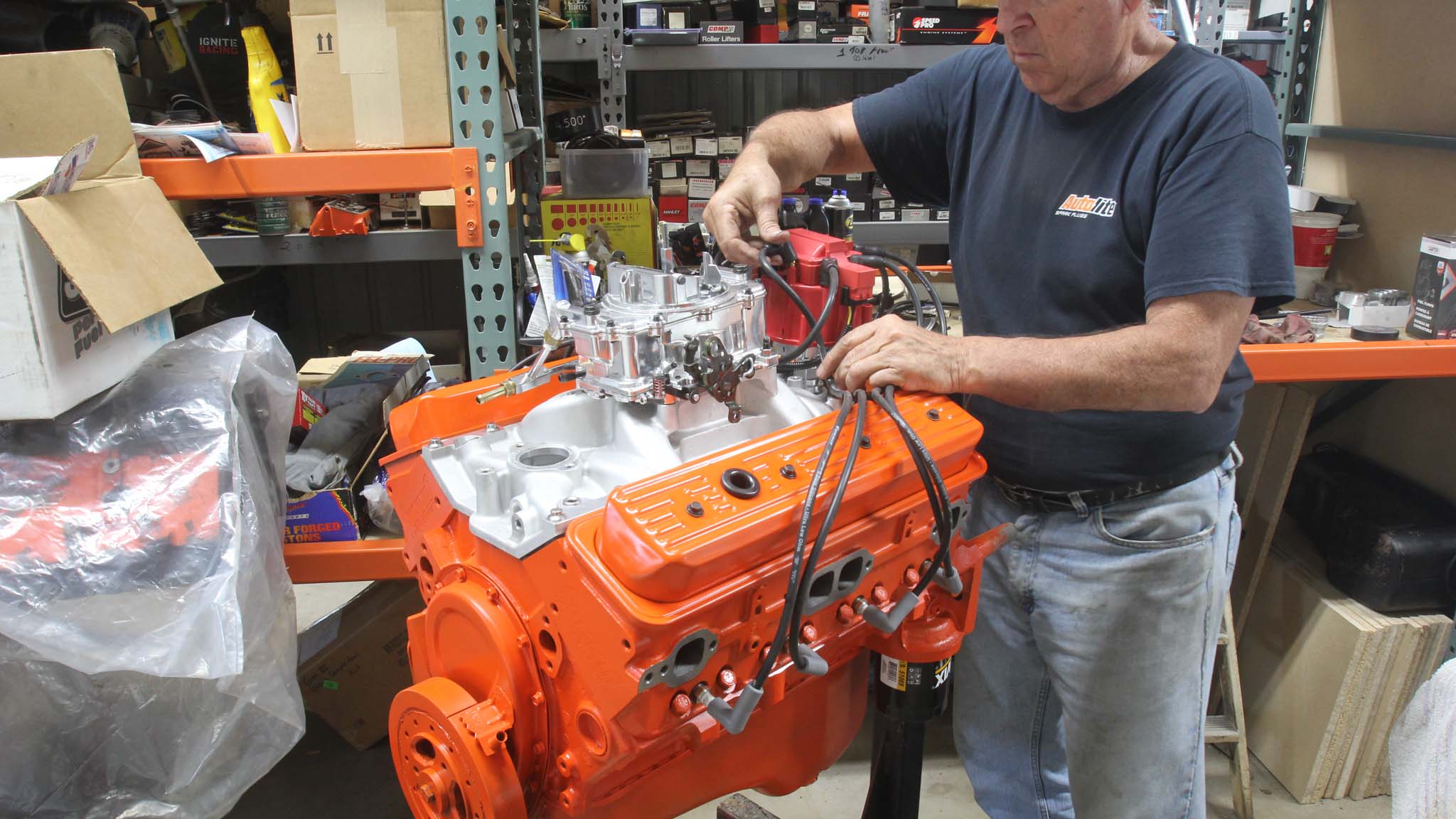

Embarking on the journey of building a 350 Chevy engine short block is akin to crafting a finely tuned symphony. Each component—much like a note in a musical composition—contributes to a harmonious, powerful performance. The 350 small-block Chevy engine, revered for its versatility and power potential, has become a beloved icon in the annals of automotive engineering. Let’s delve deep into the intricacies and allure of this robust powerplant, revealing the secrets tucked away in its iron and aluminum embrace.
First, let’s unveil the heart of the short block—the assembly of the engine’s most fundamental components. The short block consists predominantly of the engine block itself, along with the crankshaft, connecting rods, and pistons. This is the skeletal structure that houses the mechanical ballet about to unfold. The engine block, often made of cast iron or aluminum, is the backbone of the assembly that holds everything together with precision and tenacity.
To understand the 350 short block is to appreciate the artistry in the craftsmanship. From the very moment it is forged, the blocks are meticulously shaped to facilitate optimal airflow, cooling, and structural integrity. Attention to detail at this stage is paramount, as even the slightest imperfection can cascade into significant inefficiencies down the line. Imagine a sculptor chiseling away at a block of marble, each strike purposeful, each refinement critical.
Moving inward, the cranking machinery begins its story—the crankshaft. This vital component transforms the linear motion of the pistons into rotational energy, creating the power that propels your vehicle forward. The 350’s crankshaft is generally forged steel or cast iron, renowned for its strength and durability. Think of it as the composer, orchestrating the rhythm of the engine’s operation. The precise balance of the crankshaft is crucial, as any misalignment can lead to detrimental vibrations that rattle the very essence of your creation.
Now, entwined with the crankshaft are the connecting rods, the unsung heroes of the engine. These rods connect the crankshaft to the pistons, facilitating the dynamic dance of movement known as combustion. Constructed from robust materials, these components must withstand extreme forces while maintaining connectivity throughout the piston’s fiery ascent and descend. In the grand performance of the engine, they act like the dancers twirling in synchronization, each movement dictated by the whims of physics and engineering.
The pistons themselves are equally compelling, performing an intricate waltz within the cylinder walls. They compress the air-fuel mixture before that explosive ignition, converting chemical energy into mechanical energy. The pistons for a 350 short block are typically made of aluminum, prized for its lightweight characteristics that enhance performance. With every stroke, they illustrate the art of motion, as they move gracefully up and down, facilitating a seamless cycle that drives your vehicle forward—a physical manifestation of progress.
As we glide deeper into the realm of the short block, the choice of components springs forth as a vital deliberation. Opting for forged rods and pistons offers increased resilience under higher stress and contributes to greater horsepower potential. Conversely, stock components may appeal to the casual driver, ensuring reliability and everyday usability. But the true alchemy lies in striking a balance between power and practicality, much like evaluating the characteristics of a fine wine—captivating flavors with a solid backbone.
Next arises the topic of clearance and tolerances, the delicate relationship between the engine’s components. This aspect is the meticulous measuring of vivacious relationships—ensuring that pistons clear the cylinder heads and that the crankshaft spins undisrupted. Too tight a fit may lead to catastrophic friction, while too loose may cause lackadaisical performance. Achieving the perfect tolerances is akin to tuning a musical instrument, where the goal is a flawless resonance, where every part plays its role in unison.
While assembling the short block, lubrication is another critical consideration. The oiling system ensures that all moving parts remain well-greased, preventing metal-on-metal contact that could spell disaster. Think of this oil as the lifeblood of the engine, ensuring longevity and performance while staving off the ravages of wear. An effective oil pump will guarantee a steady flow, orchestrating a serene playing field for the intricate interactions of machinery.
In conclusion, building a 350 Chevy engine short block is a saga of engineering mastery. Each element, from the stout engine block to the delicate pistons and connecting rods, weaves together to create a dynamic and powerful story. This engine is not merely a collection of parts; it stands as a tribute to ingenuity and passion within the automotive realm. So, whether you’re embarking on a full performance build or simply seeking reliable transportation, the uniquely appealing 350 Chevy short block offers a canvas where artistry meets engineering—a timeless classic ready to roar to life beneath your command.
