
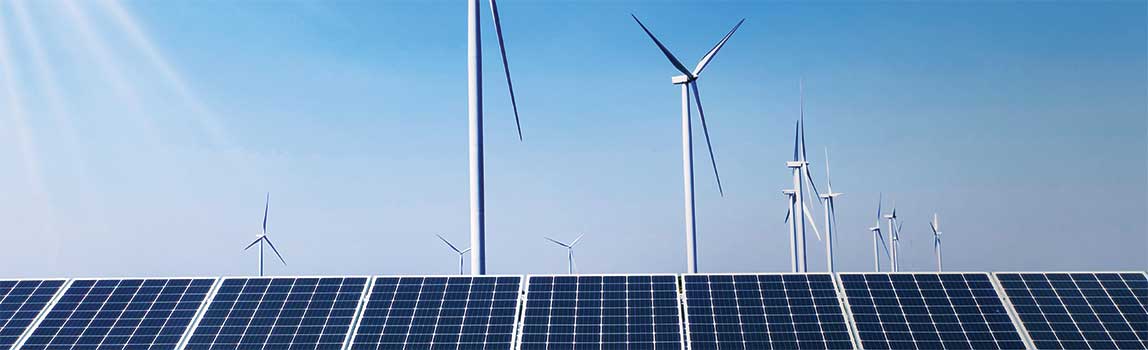

As the world pivots towards a more sustainable future, the dialogue surrounding clean energy has become increasingly pertinent. An intriguing focal point in this narrative is Alberta, a province renowned primarily for its oil sands and fossil fuels. But beneath the surface of this traditional energy powerhouse lies a burgeoning sector dedicated to innovation in clean energy. This transformation is not just a reaction to global demands; it is a strategic evolution informed by economic imperatives and environmental stewardship. In exploring Alberta’s role in clean energy, we unveil not only its current contributions but also the deeper implications for the province and beyond.
Alberta’s prevailing identity is often anchored in its historical reliance on oil and gas. The vast fields of energy extraction and the robust infrastructure surrounding them have provided significant economic advantages. However, a staggering observation has emerged: as climate change becomes an inescapable reality, reliance on fossil fuels is undergoing scrutiny. The province’s historical energy narrative is gradually being infused with a vision for a cleaner, more diversified future. This dichotomy heralds an era of transformation—where innovation and tradition can coexist, fostering growth and sustainability.
A pivotal element in this transition is government policy and investment. The Alberta government, recognizing the imperative of innovation, has initiated numerous programs aimed at supporting renewable energy ventures. Incentives for solar and wind energy installations, along with grants for research in carbon capture and storage technology, signal a forward-thinking approach. These initiatives do not merely serve to placate environmental concerns; they represent an astute acknowledgment of the province’s potential to diversify its energy portfolio, creating new jobs and economic opportunities.
The enthusiasm for innovation is palpable in the thriving hub of clean technology startups in Alberta’s major cities. Calgary and Edmonton, once symbols of fossil fuel dominance, are now buzzing with entrepreneurial energy focused on sustainable practices. Companies are venturing into solar power, wind energy, and biofuels, exhibiting an impressive aptitude for technological advancement that aligns with global trends. This burgeoning clean tech sector not only strengthens Alberta’s economy but also emboldens its citizens to think creatively about their energy consumption and production.
Moreover, Alberta is home to some of the world’s leading research institutions working on groundbreaking renewable energy solutions. Universities such as the University of Alberta and the Southern Alberta Institute of Technology are at the forefront of research in energy efficiency, wind technology, and environmental sustainability. Their contributions are vital in fostering innovation and guiding policy discussions. These academic institutions provide a steady flow of skilled professionals equipped with the knowledge to tackle the pressing challenges of energy production and consumption.
Community engagement also plays a crucial role in Alberta’s clean energy narrative. Grassroots movements and local organizations are increasingly advocating for sustainable practices within their communities. The residents’ inclination towards sustainability is not merely a passing trend; it reflects a deep-seated desire to protect the environment for future generations. This communal consciousness resonates throughout Alberta, fostering a culture of responsibility that complements the province’s innovative strides in clean energy.
Perhaps one of the most compelling facets of Alberta’s journey towards becoming a clean energy powerhouse is its commitment to reconciliation with Indigenous peoples. Many Indigenous communities possess a profound understanding of sustainable land management and environmental conservation. Collaborations between these communities and clean energy companies are blossoming, creating opportunities for shared knowledge and economic growth. This intersection of traditional wisdom and modern technology enhances the province’s sustainable development efforts while honoring Indigenous rights and practices.
Public perception of renewable energy in Alberta is evolving, albeit gradually. The historical association with fossil fuels creates a lingering apprehension amongst some residents regarding the feasibility and reliability of clean energy sources. Education and awareness initiatives are indispensable in addressing these concerns, showcasing successful case studies and tangible benefits. Greater transparency and open dialogue will be vital in fostering community buy-in, enabling Albertans to embrace renewable energy not as a replacement but as a complement to their traditional assets.
Globally, the push for clean energy is gaining momentum, necessitating collaborative efforts across borders. Alberta’s unique position as an innovator in clean technology places it at the forefront of the global clean energy conversation. By sharing its research, partnering with international organizations, and exporting its advancements, Alberta can solidify its place in the global market while simultaneously contributing to worldwide sustainability goals. This spirit of collaboration will not only bolster Alberta’s economy but also inspire other regions facing similar energy challenges.
In conclusion, Alberta’s role as a clean energy powerhouse encapsulates a complex interplay of tradition and innovation. The province’s inevitable transformation is fueled by a combination of governmental support, entrepreneurial vigor, community engagement, and collaboration with Indigenous peoples. These multifaceted efforts collectively illustrate the province’s commitment to not just adapt to the changing energy landscape, but to lead it. As Alberta forges ahead, it portrays a profound understanding that the future of energy is not merely about replacement; it is about innovation, sustainability, and collective responsibility. The clean energy revolution in Alberta is not a fleeting phase—it’s a fundamental shift that promises to redefine the province’s identity in the years to come.
