
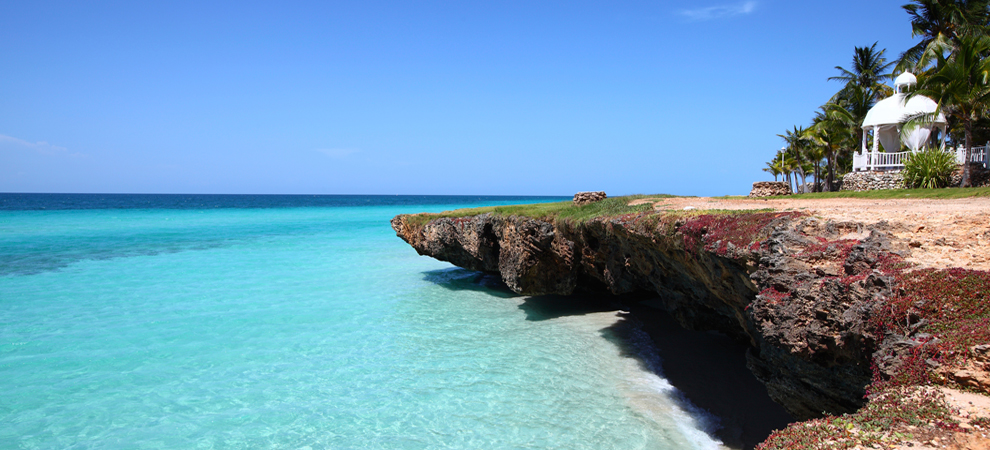

Cuba, the enigmatic jewel of the Caribbean, has long captivated the imaginations of travelers, historians, and investors alike. With its stunning landscapes, vibrant culture, and rich history, the island nation has become a focal point for those seeking adventure and investment opportunities. One question often arises among intrigued individuals, particularly Americans: Can they buy land or property in Cuba? The answer is both complex and enlightening, reflecting broader themes surrounding Cuba’s economic environment and its relationship with the United States.
At the heart of this inquiry is the evolution of Cuba’s real estate laws, which have undergone significant changes since the thawing of U.S.-Cuban relations began in the early 2010s. Prior to this shift, the prospect of owning property in Cuba as a foreigner was nothing short of a pipe dream. The government held tight reign over land ownership, with strict regulations limiting property rights for non-Cuban nationals. However, the landscape of Cuban real estate is gradually transforming, and understanding these nuances is crucial for potential investors.
As of today, foreign ownership of property in Cuba is permissible, but it comes with several caveats. The Cuban government permits non-nationals to acquire real estate, with the loosening of restrictions aimed at stimulating economic growth. However, the law stipulates that foreigners cannot own land outright. Instead, they must navigate a convoluted framework of joint ventures and leasing agreements—which can prepare prospective buyers for a very different investment experience than what they may be accustomed to in other countries.
Consider the potential real estate investment avenues that may pique interest. Purchasing property in burgeoning tourist areas represents the most viable option for Americans looking to stake a claim in Cuba. Various municipalities, bustling with a vibrant influx of visitors, are witnessing a boom in hospitality investments—from boutique hotels to exclusive rental properties. Property investors looking for a taste of authentic Cuban culture might consider the charm of old Havana, where colorful buildings and colonial architecture create an irresistible backdrop for tourist accommodations.
Yet, despite the allure of these opportunities, potential investors must tread cautiously. Navigating Cuba’s bureaucratic labyrinth can be a daunting task, with regulations fluctuating and red tape entangling many transactions. Foreign investors are invariably advised to partner with local legal counsel who can illuminate the intricacies of Cuban law and assist in maneuvering through the nuances involved in purchasing property. Understanding the local market, cultural idiosyncrasies, and economic conditions is indispensable for anyone considering investing in Cuba.
In addition to the legal maze, it’s essential to acknowledge financial constraints. The Cuban economy operates under a dual-currency system, where the Cuban Peso (CUP) and the Cuban Convertible Peso (CUC) coexist. This structure adds an additional layer of complexity when conducting transactions in real estate, as prices and costs can fluctuate wildly based on currency exchange rates—something that must be carefully assessed before entering into any agreement.
Moreover, potential buyers must remain cognizant of international regulations. The U.S. embargo against Cuba poses another significant barrier to many Americans hoping to invest. Although the Trump administration rolled back many of the diplomatic advances made during the Obama years, some regulations still permit limited business activities and financial transactions. However, staying attuned to the ebb and flow of diplomatic relations is paramount for any potential U.S. investor, as policies can shift based on the current political climate.
The attraction to Cuban real estate is not merely about the potential for financial gain; it is also deeply intertwined with cultural and historical intrigue. For many, the desire to invest in Cuba symbolizes a break from historical norms, offering a chance to engage with a nation that was once considered largely off-limits. To explore Cuba’s rich cultural tapestry—characterized by its music, art, and warm hospitality—while making tangible contributions to the local economy, is an enticing proposition for many. This duality of financial ambition and cultural appreciation paints a fuller picture of why Americans are drawn to Cuban property.
Furthermore, it’s important to reflect upon how investing in Cuban real estate could impact the local communities. While foreign investment can undoubtedly spur economic development, it can also lead to discussions about gentrification and displacement of current residents. Investors need to balance profit motives with social responsibility, ensuring that their endeavors benefit the community as a whole rather than merely serving self-interest.
It is both exhilarating and daunting for Americans to consider purchasing real estate in one of the last frontiers of the Caribbean. The complexities surrounding property ownership embody deeper observations about cultural connection, historical constraints, and evolving relationships between nations. It’s a delicate dance between aspiration and caution, where potential investors must remain vigilant of shifting regulations and economic realities.
In conclusion, while Americans can technically buy property in Cuba, the pathways to ownership are strewn with conditions and challenges. Understanding the legal landscape, navigating the unique economic context, and considering the implications of international relations are all integral to making informed decisions. Yet, amid these complexities lies the promise of potential and possibility—an opportunity for Americans to grow roots in a place bursting with history, culture, and the spirit of resilience.
