
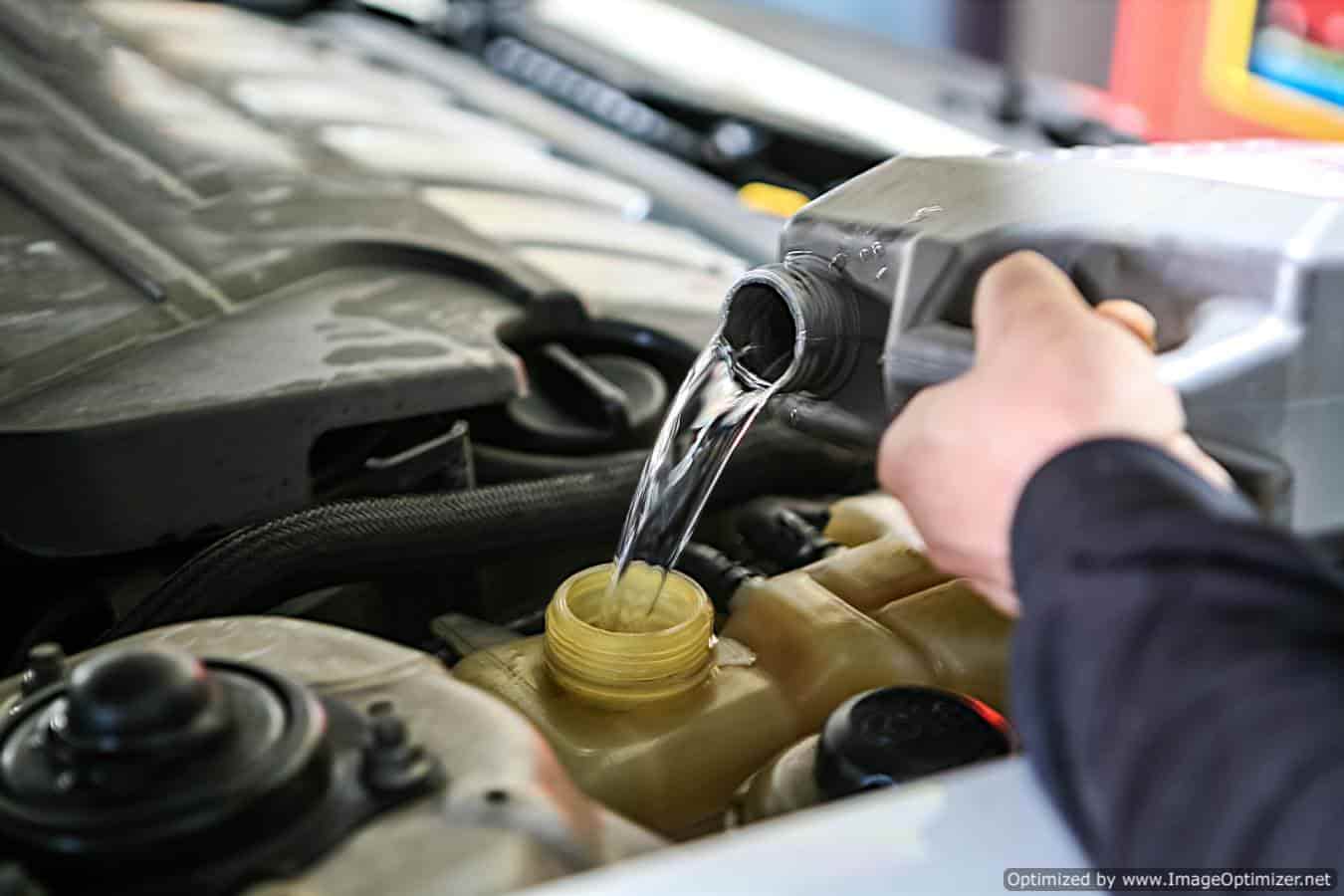

When it comes to keeping your diesel engine in peak condition, the type of coolant you choose can make a significant difference. So, have you ever wondered whether you’re using the right coolant for your trusty diesel vehicle? Many diesel engine owners often face a conundrum: how to select the most suitable coolant amidst a plethora of options on the market. With the right coolant, your engine can operate efficiently, but the wrong one might lead to overheating or even catastrophic failures. Let’s delve into the intricacies of diesel engine coolants, explore their components, considerations, and ultimately, how to select the best one for your diesel beast.
At its core, engine coolant serves a dual purpose: it dissipates heat generated during combustion and prevents the engine from freezing in colder climates. Using a diesel engine entails some unique challenges that can complicate this task, thus making the coolant selection critical. Diesel engines operate at higher temperatures than their gasoline counterparts. This difference is vital in ensuring that you pick a coolant designed to withstand the rigors of higher thermal stress. So, what elements should you consider when selecting diesel engine coolant?
First and foremost, we must discuss the coolant types available for diesel engines. Typically, coolant can be categorized into two major types: ethylene glycol (EG) and propylene glycol (PG). Ethylene glycol is the traditional choice, offering excellent heat transfer and lower viscosity at high temperatures. However, it is toxic and poses environmental risks if spilled. On the other hand, propylene glycol is less hazardous and environmentally friendly, though it may slightly lag behind in performance when it comes to heat transfer efficiency. Making the right choice between the two can feel like picking between chocolate and vanilla ice cream—each has its merits, yet one may align better with your specific needs.
Moreover, consider the coolant color. Ever noticed that coolants come in an array of vibrant colors? While this may seem like a marketing gimmick, each hue often corresponds to different attributes and specifications tied to various engine requirements. For instance, green coolants may be standard and contain inorganic additives, while orange or red versions usually signify extended-life coolants infused with organic acid technology (OAT). This is particularly relevant for diesel engines, which benefit from the corrosion-resistant properties of OAT coolants, ensuring that metals within your engine stay protected. Ignoring coolant color could lead to disastrous chemical reactions and incompatibility—definitely not your idea of a fun day.
Another perplexing challenge is the coolant concentration. Most engines require a 50/50 mixture of coolant and distilled water, but diesel engines can have varying requirements depending on the manufacturer’s specifications. Checking your owner’s manual is vital—you wouldn’t want to skimp on coolant and risk overheating or corrosion issues, would you? If you’re in an area with extreme temperatures, adjustments to this concentration can be necessary. Multiplying confusion further, some diesel engines may demand a pre-mixed solution. Always err on the side of caution by consulting the manufacturer’s guidelines or professional mechanics for optimal performance.
Let’s not overlook the importance of additives within your coolant. Many modern coolants are fortified with a myriad of additives that help inhibit corrosion, foam control, and rust prevention. For diesel engines, these properties are paramount. Look for coolants that incorporate nitrites, which provide extra protection to your engine’s components, particularly the high-stress areas. Without appropriate additives, your engine may experience accelerated wear and tear—even worse than a bad hair day. Spiritual well-being, after all, is closely tied to efficient performance.
The longevity of the coolant is also a fact worth pondering. Traditional coolants have a recommended change interval of about two years or 24,000 miles, while extended-life varieties can stretch this window to up to five years or 150,000 miles. However, this does not mean you should ignore regular checks and maintenance. Utilization of a high-quality diesel coolant can lead to better performance metrics; on the flip side, poorly maintained coolant can become acidic over time, effectively corroding your system from the inside out. Therefore, get into the habit of checking your engine coolant regularly, it’s a small task that yields high rewards.
Lastly, let’s talk about the common pitfalls to watch for when choosing your diesel engine coolant. One persistent misconception is believing that all coolants are interchangeable; this misstep can prompt premature engine wear or unexpected malfunctions. Doing a little bit of research goes a long way in making sure you select a coolant that meets the stringent requirements of your diesel engine. Another pitfall is neglecting the compatibility of your newest coolant with what’s already in your system. Mixing different types of coolants can lead to gelling or sediment formation, effectively blocking the flow of coolant and leading to overheated engines—yet another reminder that vigilance pays dividends.
In conclusion, selecting the right diesel engine coolant involves navigating a maze filled with color codes, additive specifications, and concentration levels. From understanding the fundamental properties to recognizing the essential additives, every choice impacts your vehicle’s performance and lifespan. So, whether you’re a seasoned diesel enthusiast or a novice driver, stocking your garage with the suitable coolant might be your ticket to achieving engine longevity. Do it wisely, and your engine will thank you with reliable performance for countless miles ahead!
