
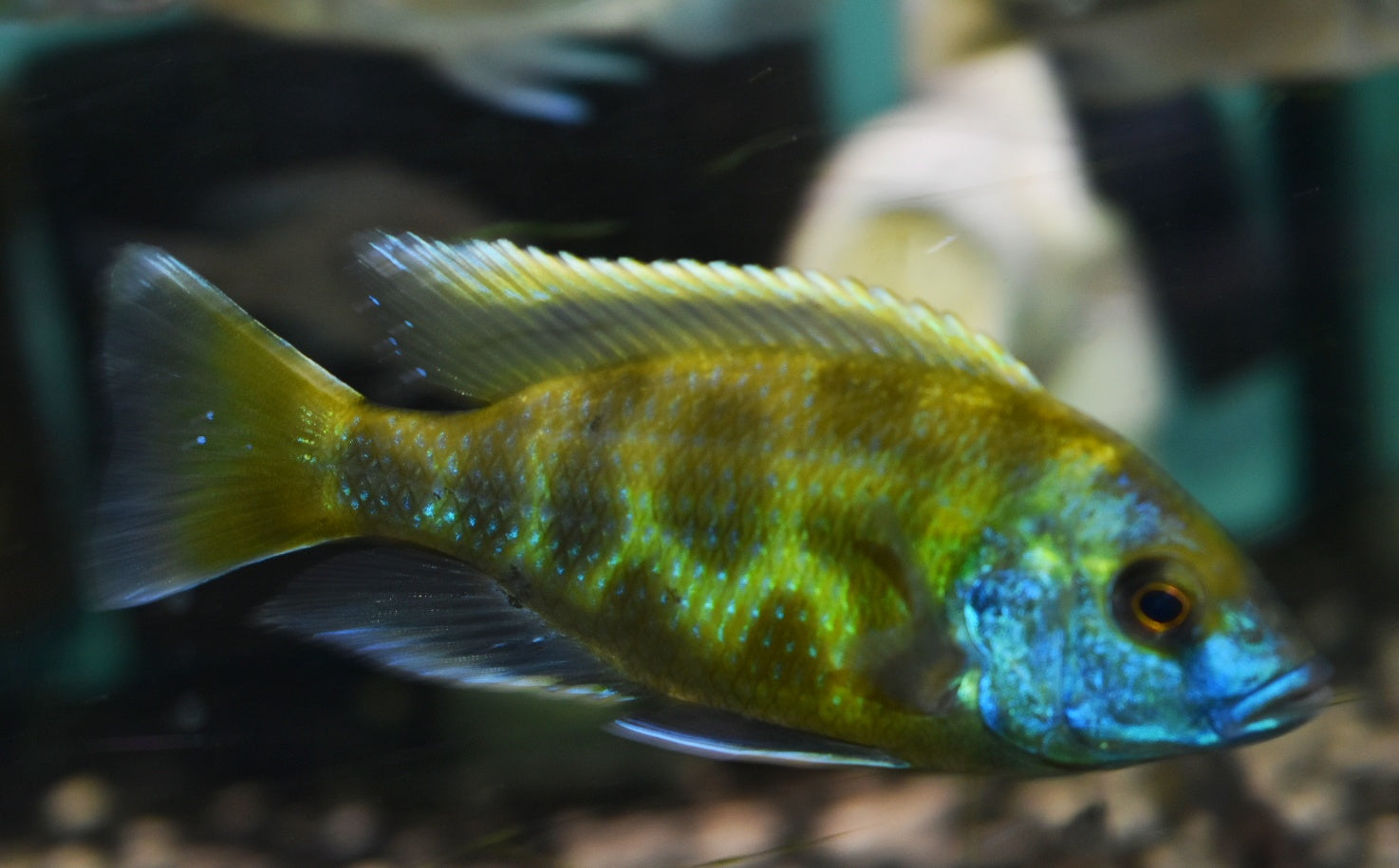

The world of aquaristics is a wondrous realm teeming with captivating life forms. Among these aquatic marvels, African cichlids stand out as a particularly fascinating group, known for their resplendent colors and intriguing behaviors. This extensive introduction to the various species of African cichlids unravels the tapestry of their diversity, delving into why they capture the imaginations of hobbyists and scientists alike.
African cichlids predominantly hail from the Great Lakes of Africa, particularly Lake Malawi, Lake Tanganyika, and Lake Victoria. Each lake boasts a unique ecosystem that nurtures its own distinct species. This geographical context plays a pivotal role in the evolution of these fish, causing them to adapt in remarkable ways to their environments. The phrasings often utilized—“living jewels” or “the psychedelic fish”—barely scratch the surface of the allure these fish hold. What is it about these creatures that enchants aquarists? Perhaps it is the kaleidoscope of hues or the complexity of their social interactions. However, there is much more to uncover.
First and foremost, let’s explore the species found in Lake Malawi, renowned for hosting the highest diversity of cichlid species globally. These fish exhibit an astonishing range of colors, patterns, and sizes. One cannot begin to discuss Malawi cichlids without mentioning the famous Mbuna, a sub-group of rock-dwelling cichlids. Mbuna species like the Psuedotropheus zebra and Labeotropheus fuelleborni captivate observers with their vivid blues, yellows, and oranges. These vibrant colors serve not only as a feast for the eyes but also function as critical communication tools among the fish. The males often display brighter colors to attract mates and establish dominance.
As you delve deeper into this marine vista, you’ll find that the colors exhibited by these fish are not merely for show; they relate directly to their territories and social hierarchies. Aggressive posturing, courtship behaviors, and even the establishment of breeding territories are intertwined with these vivid displays. The vibrant coloration also disguises the species’ complexity—aforementioned adult males might experience a transformation in hue to deter competitors or seduce potential partners.
Quite distinct from the Mbuna are the Lake Tanganyika cichlids. Characterized by their elongated bodies and somewhat subdued colorations, these fish offer a different perspective on the adaptability of this family. Species like the Neolamprologus brichardi showcase elegant social behaviors, often engaging in cooperative breeding. This species is commonly referred to as the “fairy cichlid” because of its delicate appearance and charming interaction with its fry. Observers note how the parents diligently protect and nurture their young, even engaging in complex interactions with neighbors in a community setting. It’s a dramatic contrast to the often territorial Mbuna and an excellent example of the myriad social structures existing among cichlids.
Lake Victoria is undergoing ecological turmoil, resulting in a dramatic decline of its endemic species. While historically home to numerous colorful cichlid species, the introduction of non-native fish species has led to a loss of biodiversity. Yet, some species persist, such as the Haplochromis spp., which remain a source of notable fascination. These cichlids exhibit an array of colors similar to those in Malawi, with particularly striking patterns and unique adaptations to their environment. Unfortunately, the ongoing ecological crisis makes these fish a poignant symbol of conservation efforts, underscoring the pressing need to protect freshwater ecosystems from human impact.
In examining the different species of African cichlids, one must also appreciate their behavioral quirks and social structures. Many cichlids exhibit parental care, with some species engaged in mouthbrooding—a fascinating reproductive strategy where the female carries fertilized eggs in her mouth until they hatch. This unique approach not only safeguards the fry from predators but also strengthens the mother-offspring bond. Notably, species such as O. jacobfreibergi exemplify this fascinating behavior, with mothers often displaying remarkable nurturing instincts.
Despite their occasional rivalries, African cichlids also reveal profound social dynamics, which can serve as a microcosm for understanding complex social structures in the animal kingdom. Their interactions, from territorial disputes to alliances in cooperative breeding, provide a window into the behavioral ecology of aquatic life. Each glance at a cichlid community invites reflections on the underwater mosaic, where threats and bonds coalesce into a tapestry of survival and beauty.
As we draw this vibrant narrative to a close, one cannot understate the enriched experience that African cichlids offer to aquarists and enthusiasts alike. Their stunning colors, diverse species, and intricate behaviors allow for a multifaceted appreciation of this family. For those considering the adventure of keeping these charismatic fish, a deeper understanding of their needs and behaviors is invaluable. Acquiring an African cichlid tank can be a rewarding venture, but it requires diligence and respect for the natural ecosystems from which these fish originate. Such a commitment speaks to the responsibility every aquarist shares in preserving the beauty of Africa’s underwater treasures.
In the end, African cichlids are not just fish; they are living stories, each with messages about evolution, adaptation, and the intricacies of life. Their vibrant presence invites exploration and fosters a connection to the natural world, offering aquarists not just a hobby, but a lifelong passion steeped in beauty, responsibility, and wonder.
