
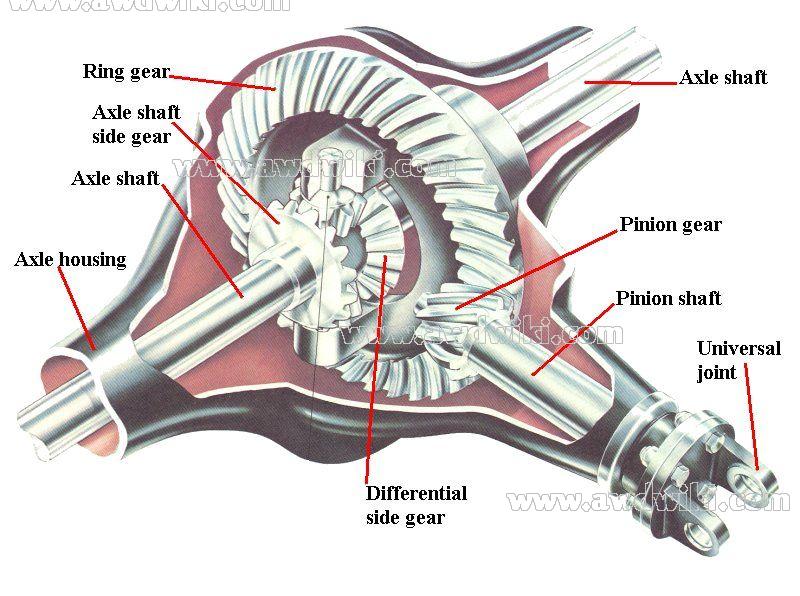

When considering the mechanics of vehicle performance, the differential plays a pivotal role in ensuring efficient power delivery and handling. A differential is a critical component in a vehicle’s drivetrain, allowing the wheels to rotate at differing speeds, particularly during cornering. Without this essential device, drivers would experience severe tire wear and handling issues. The importance of regular differential service cannot be overstated, as it can prolong the lifespan of the vehicle, enhance safety, and improve overall driving dynamics.
Understanding the differential’s function begins with its design and variant types. Typically, vehicles come equipped with either front or rear differentials, depending on the drivetrain layout. Each type serves a specific purpose and necessitates unique service considerations. In this discourse, we will explore the nuances of both front and rear differential service, discussing their respective functionalities, common issues, maintenance protocols, and the importance of timely servicing.
Front differentials are predominantly found in vehicles with a front-wheel-drive configuration or all-wheel-drive systems. Their primary function is to channel power from the engine to the front wheels while allowing them to spin at varying speeds, particularly during turns. This variance is crucial for maintaining traction and stability. On the other hand, rear differentials are commonly associated with rear-wheel-drive configurations and serve a similar purpose, facilitating effective power distribution to the rear wheels.
Both differentials generally operate under a similar principle, but their service requirements can differ significantly based on location and accessibility. For instance, the front differential may be positioned in a less accessible area compared to the rear differential. This variance can affect the frequency and ease of maintenance, making it imperative to understand the specific requirements of each.
One of the most critical aspects of differential service is fluid replacement. The differential fluid acts as both lubricant and coolant, mitigating friction and dissipating heat generated during operation. Over time, this fluid can become contaminated with metal particles, dust, and other debris, leading to potential damage. The viscosity of the fluid may also degrade, diminishing its efficacy. Therefore, regular inspections and fluid changes are essential. Most manufacturers recommend replacing differential fluid every 30,000 to 50,000 miles, but actual intervals can vary depending on driving conditions and vehicle use.
While undertaking differential service, it is crucial to check the condition of the differential cover and seals. Over time, these components can develop leaks, leading to fluid loss and eventual damage to the gears. Inspections should include evaluating the gear oil for signs of contamination or abnormal wear patterns, as these may indicate deeper mechanical issues or misalignment within the differential system.
Common symptoms of a failing differential can vary based on whether it is the front or rear unit. Front differential issues may manifest as noises during turns, vibrations while driving, or difficulty steering. Conversely, rear differential problems may present as whining sounds that increase with acceleration or a clunking noise during shifts. Recognizing these signs early on can prevent exacerbated problems and costly repairs.
In addition to fluid replacement and inspection, differential service may involve more complex procedures. For instance, in some instances, technicians may recommend a differential rebuild. This process entails disassembling the differential, inspecting components such as gears and bearings, and replacing damaged parts. This more invasive service may be necessary if significant wear or damage is detected during routine inspections. It is an essential aspect of preserving the vehicle’s overall performance and should be approached with caution and expertise.
Moreover, modern vehicles equipped with advanced technology, such as electronic locking differentials or limited-slip differentials, necessitate specialized knowledge for proper servicing. These systems enhance handling and traction under challenging conditions. Therefore, engaging qualified technicians familiar with these advanced systems is paramount to ensure proper service and maintenance.
In summary, differential service is an integral aspect of vehicle maintenance that directly impacts safety, performance, and longevity. The differences between front and rear differentials underscore the need for a targeted approach in service and maintenance practices. Understanding the specific functions, common issues, and service protocols for each differential type will ensure that vehicle owners can maintain optimal performance and safety on the road.
Ultimately, a proactive stance on differential maintenance not only enhances the operational efficiency of the vehicle but also contributes to a deeper understanding of automotive mechanics. This knowledge empowers vehicle owners to make informed decisions regarding their service needs, ensuring the vehicle remains in optimal condition for years to come. As automotive technology evolves, so too does the importance of staying informed about all components within the vehicle, including the often-overlooked differential.
