
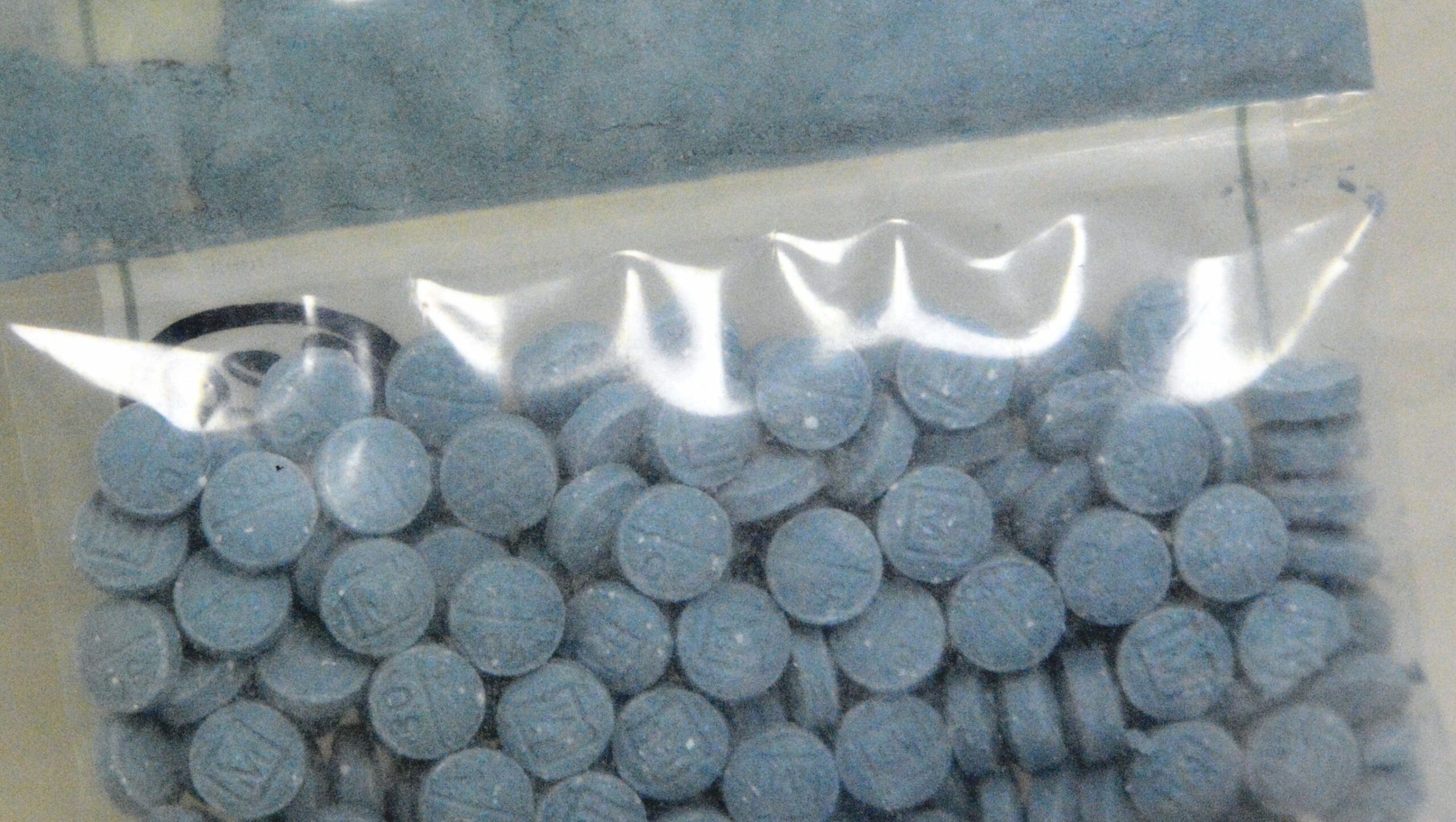

Fentanyl, a synthetic opioid, has garnered significant attention in recent years due to its potent nature and the devastating effects it can have on users. As communities grapple with the opioid crisis, one pertinent question often arises: does fentanyl have a smell? Understanding the olfactory properties of various substances, especially those as dangerous as fentanyl, can be crucial in recognizing and preventing encounters with this deadly drug.
The Nature of Fentanyl
Fentanyl is approximately 50 to 100 times more potent than morphine. This potency means that even a minuscule amount can lead to overdose or death. Fentanyl is often found in powdered form and can be mixed with other substances, including heroin and cocaine. Its high lipid solubility allows for rapid absorption through the skin or mucous membranes, making it particularly dangerous. Given this backdrop, it’s understandable that one might inquire about its detectability through smell.
Does Fentanyl Have a Distinct Odor?
Fentanyl, in its pure form, is generally odorless. This lack of scent poses a significant challenge for individuals attempting to detect its presence without the aid of scientific tools or testing kits. For those specific to the casual observer or even to law enforcement professionals, the absence of an identifiable odor can be alarming. Unlike certain illegal drugs that may have a pungent smell, like marijuana or some forms of cocaine, fentanyl does not broadcast its presence.
However, the substances mixed with fentanyl can have distinct odors. For instance, heroin often possesses a vinegar-like scent, while certain additives might emit a chemical aroma. Therefore, if a person encounters a drug that smells like vinegar or has a chemical edge, there might be a risk of fentanyl contamination.
Recognizing Signs Beyond Smell
Given the absence of a unique scent, it becomes imperative to recognize other signs that could indicate the presence of fentanyl. These indicators revolve around visual cues, tactile engagement, and behavioral observations.
- Visual Cues: Fentanyl often appears as a white powder, but it can also be found in various colors. When examining a substance, take note of its color and texture. Fentanyl-laced products may be inconsistently colored, especially if mixed with other drugs.
- Tactile Engagement: If you encounter a powder or a substance you suspect could be fentanyl, avoid direct contact. Wearing gloves and using tools to handle it can prevent accidental absorption through the skin.
- Behavioral Observations: If you are in an environment where substance use occurs, pay attention to signs of distress in individuals. Symptoms of fentanyl overdose can manifest quickly, including extreme drowsiness, shallow breathing, or loss of consciousness.
Tools for Detection
For those concerned about potential fentanyl exposure, technology has advanced to offer various detection methods. Fentanyl test strips, for instance, have become accessible tools that consumers can use to verify the presence of fentanyl in substances. These strips are relatively easy to use: one dissolves a sample of the drug in water, dips the test strip into the solution, and waits for a result. This method has become particularly popular among users seeking to mitigate the dangers of unknowingly consuming fentanyl-laced products.
Another robust solution includes mass spectrometry and infrared spectroscopy, often employed by law enforcement and forensic experts. These methodologies allow for the accurate identification of synthetic opioids, including fentanyl, but require specialized equipment and training. Therefore, while test strips cater to casual users, significant environments may necessitate advanced detection technologies.
Safety Precautions and Education
Understanding the risks associated with fentanyl is vital for personal safety and public health. Education plays a critical role in curbing its spread and minimizing accidental overdoses. Individuals involved in drug prevention or harm reduction initiatives are encouraged to share knowledge about the risk factors associated with fentanyl use.
Additionally, creating community awareness programs can empower individuals to make informed decisions. Having conversations about harm reduction strategies, such as supervised consumption sites and the distribution of naloxone (an opioid overdose reversal drug), can significantly alter outcomes in a community facing opioid-related challenges.
Conclusion
While fentanyl does not emit a distinct odor, its presence can be surreptitious, posing a severe threat to individuals unaware of its dangers. Recognizing visual signs, employing detection tools, and fostering community education are essential steps in navigating a world permeated by this deadly synthetic opioid. The frightening reality is that fentanyl can blend seamlessly with other drugs, and its odorlessness complicates identification. As we educate ourselves and others, we fortify our collective ability to combat this crisis and promote safer communities.
