
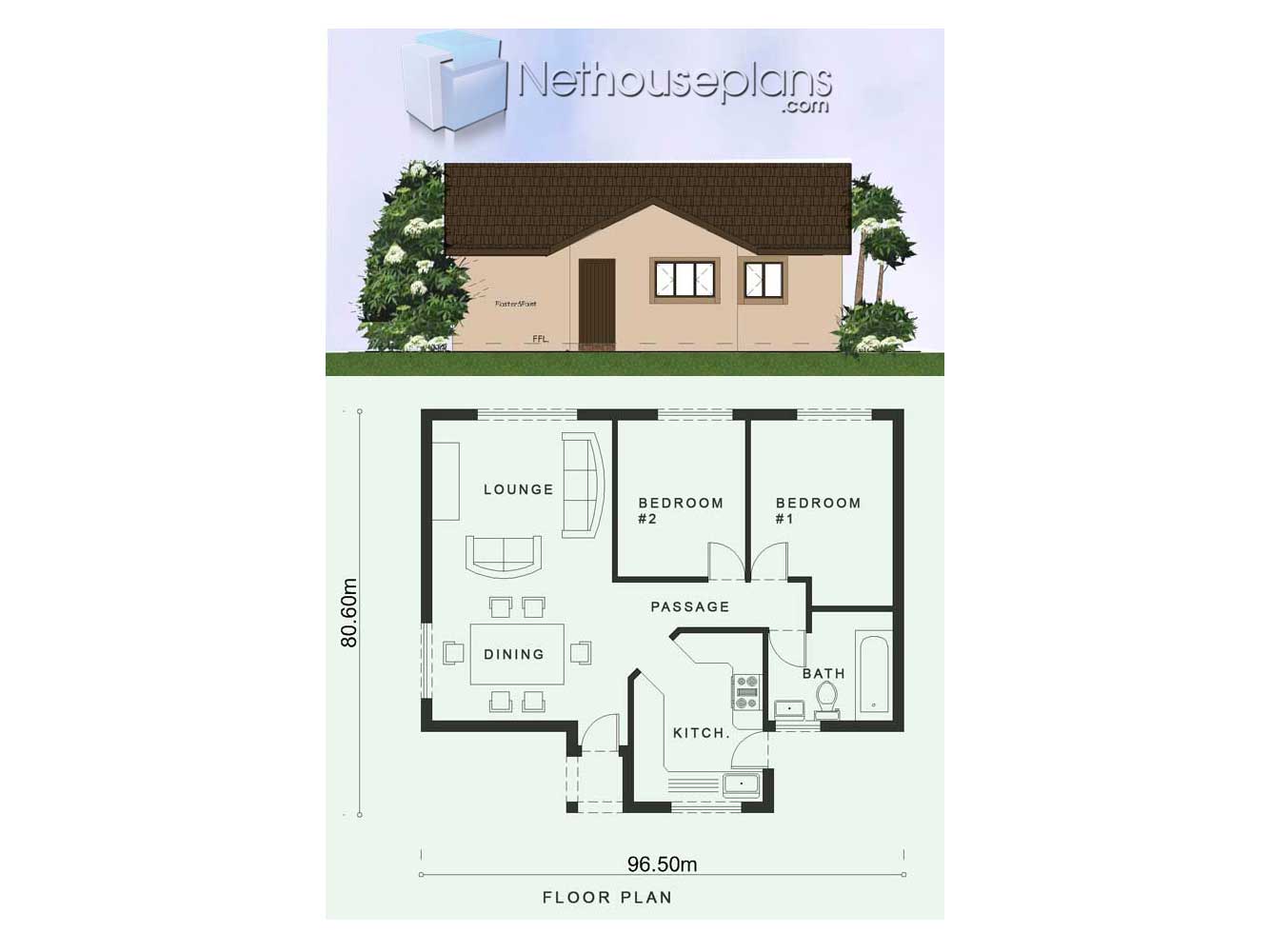

Dreaming of a home in the Philippines is a tantalizing notion that sings to many hearts. With its stunning landscapes and vibrant culture, the archipelago offers a unique allure. In particular, the concept of a 3-bedroom house resonates deeply, often embodying the aspirations of families seeking comfort, security, and a place to craft memories together. However, delving into the nuances of cost involved unveils a broader narrative that speaks to desires, status, and familial togetherness.
When contemplating the construction of a 3-bedroom house, one might naturally wonder about the financial implications. How much does it truly cost to materialize one’s dream home in this enchanting country? The answer, though multifaceted, begins with understanding local price dynamics. Different regions in the Philippines showcase varying price points for construction materials and labor costs. For instance, metropolitan areas like Metro Manila present a stark contrast to rural provinces where both materials and labor are typically more affordable.
Moreover, the initial design and architecture of the house play a pivotal role in determining the overall expense. A simple yet elegant structure with a modest design can be realized for around PHP 2.5 to PHP 4 million. Conversely, opting for intricate designs with extensive features—such as high ceilings, large windows, or sustainable materials—could escalate costs. Architectural aspirations, thus, intertwine palpably with financial considerations.
Let us not overlook the significance of land acquisition in the Philippines’ real estate sphere. Depending on location, the piece of land that one envisions can greatly fluctuate in price. In urban centers, prime real estate areas can command exorbitant prices, sometimes exceeding PHP 20,000 per square meter. Alternatively, in less populated regions, land can be procured for substantially less. This disparity creates a careful consideration for prospective homeowners: should one aspire for a property in a bustling city, or would a tranquil suburban or rural setting better serve their future? This vital decision inevitably influences the budget.
Additionally, homeowners must also grapple with other financial factors: taxes, permits, and miscellaneous legal fees. Navigating the intricacies of securing the necessary permits can be cumbersome, with local governments imposing various regulations. These costs, though sometimes overlooked in the planning phase, can accumulate significantly. Therefore, it is prudent to include an adequate buffer in the budget for such predictable yet variable expenses.
Furthermore, the type of materials to be utilized in the construction process cannot be disregarded. Traditional construction materials, such as concrete and steel, dominate the landscape. However, many homeowners now opt for more innovative, eco-friendly materials. Sustainable choices not only resonate with environmentally conscious individuals but may also lead to long-term savings on utilities. Yet the initial investment may deter some from immediately exploring these greener paths.
As one examines the economic implications in building a 3-bedroom house, a pertinent inquiry arises: What additional costs come post-construction? Utilities, maintenance, and the ever-increasing costs of living should be integral components of the budget. As homeowners settle into their new abode, expenses tied to water, electricity, and infrastructure upkeep can elucidate the ongoing financial responsibilities of homeownership.
Similarly, the psychological and emotional aspects of homeownership cannot be ignored. Many find happiness and satisfaction in establishing roots in a community, confirming connections with neighbors, and nurturings bonds with family. The concept of home transcends bricks and mortar; it is a sanctuary, a social hub. Thus, the deeper motivations for investing in a 3-bedroom house often emanate from a yearning for stability and belonging. Somewhere amidst the concrete jungles and verdant scenery lies the undying quest for a loving abode.
The increasing popularity of house designs tailored for Filipinos also highlights cultural values. Home layouts commonly feature open spaces conducive to gathering, reflecting a community-centric lifestyle. In an era where family ties are cherished, it is not uncommon for extended families to share a home. The demand for multi-functional spaces that accommodate various generations speaks to the evolving definitions of family and residence.
As you venture into the dream of constructing a 3-bedroom house in the Philippines, consider not merely the financial implications but the underlying motivations that a home embodies. The quest for belonging, love, and stability entwines intricately with the challenges of materializing one’s vision. Thus, each seemingly mundane expense elucidates a deeper narrative about life, aspirations, and the fervent desire for a place to call home.
In conclusion, understanding the costs associated with a 3-bedroom house in the Philippines is multifaceted, imbued with practical intricacies and enlivened by emotional significance. Each decision, from land acquisition to design preferences, bears not just weighty financial constraints but also resonates with an enduring legacy of hope and belonging. As you contemplate your dream home, remember that it is a stronghold for both body and soul—an encapsulation of your journey and aspirations within the beautiful tapestry that is the Philippines.
