
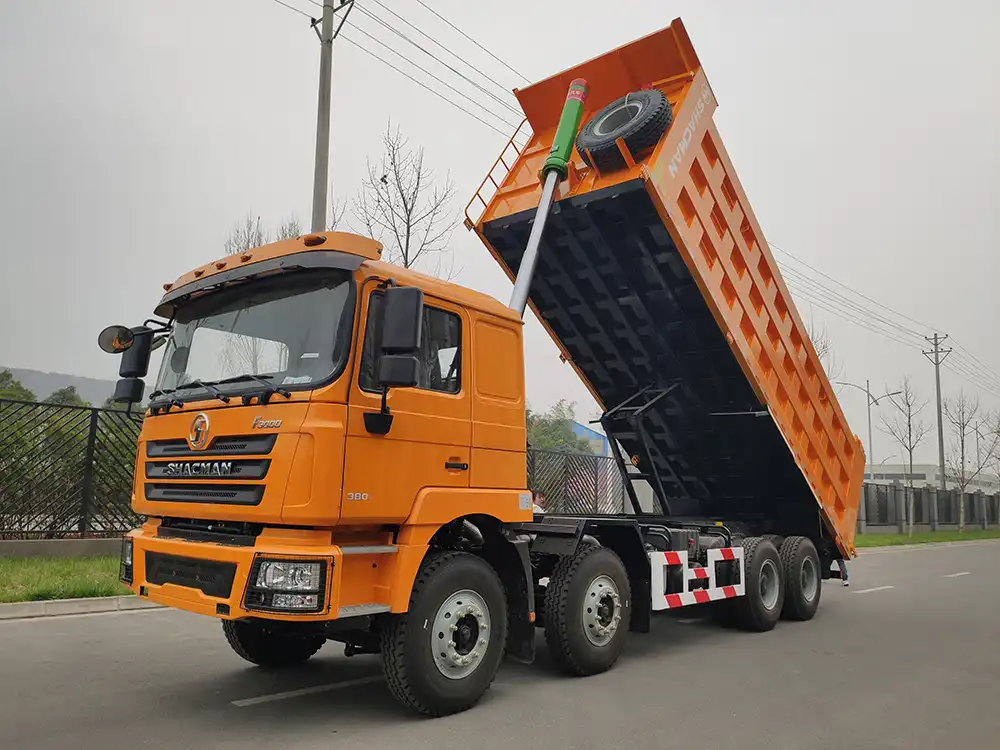

When it comes to heavy machinery, understanding the nuances of dump truck weights is essential. These robust vehicles play a pivotal role in transportation and construction, making their weight a vital consideration for operational efficiency and safety. In this article, we will delve into the various aspects surrounding dump truck weight, including their types, capacities, regulations, and factors influencing their weight.
Dump trucks come in diverse shapes and sizes, tailored to meet specific requirements across varied industries. Generally, they can be classified into several categories, including standard dump trucks, transfer dump trucks, keep trucks, and articulated dump trucks. Each type has its own distinctive characteristics that impact its overall weight.
Standard dump trucks are typically regarded as the quintessential type found on construction sites. These trucks usually have a gross vehicle weight rating (GVWR) ranging from 20,000 to 40,000 pounds. Built with a robust frame and a hydraulic lift, standard dump trucks are designed to transport loose materials such as sand, gravel, or dirt efficiently. The weight of the truck itself can vary significantly based on its construction and intended use, often falling between 10,000 to 20,000 pounds when empty. Once loaded, a standard dump truck can exceed its unladen weight considerably, leading to gravel or soil transfers often pushing the scales close to their maximum capacity.
Transfer dump trucks take versatility a step further. Fitted with a separate trailer, these trucks are capable of hauling larger quantities of materials. The primary advantage lies in their ability to transfer loads, allowing for a more efficient workflow on large-scale jobs. Generally, the GVWR of transfer dump trucks hovers around 50,000 to 80,000 pounds, making them significantly heavier. The additional trailer contributes to the total weight, and it is essential for operators to consider this when navigating roads and construction sites.
For projects demanding extreme maneuverability and off-road capability, articulated dump trucks are the go-to solution. With a separate cab and trailer linked by a hinge, they can traverse rugged terrains that might impair standard dump trucks. The design allows for a more balanced weight distribution, providing better traction and stability. Depending on the model, articulated dump trucks can weigh anywhere from 40,000 to 100,000 pounds when loaded, making them formidable contenders on construction sites.
Understanding the weight of these vehicles is crucial for ensuring compliance with legal road limits. The Federal Highway Administration regulates weight limits, which vary from state to state, but generally cap at 80,000 pounds for commercial trucks. Exceeding these limits can lead to penalties, damage to public roadways, and increased operational costs. Owners must always verify their vehicles meet these restrictions, considering not just the weight of the truck but also the load it carries.
Moreover, the weight of a dump truck directly impacts its fuel efficiency and performance. Heavier trucks may require more power and, consequently, more fuel to operate. This relationship between weight and fuel consumption highlights the importance of selecting the appropriate truck for the task at hand. Implementing best practices for load management can help mitigate excessive fuel use while optimizing performance. It is advisable for operators to have a thorough understanding of their vehicle’s capabilities and limitations.
Construction sites frequently bear witness to the importance of payload calculations. Understanding the allowable payload can be a matter of safety, cost, and efficiency. Operators should consult tables and guidelines specifying the maximum amounts various truck types can carry. This can help prevent overloading, which not only impacts vehicle performance but can also pose dangers to the crew and nearby personnel. Each jurisdiction may have its own specifications and regulations regarding load limits, so consulting local guidelines on weight restrictions is critical.
Another key factor influencing dump truck weight is the materials being transported. For instance, hauling lighter materials like mulch or loose gravel results in a decreased total weight compared to carrying denser materials such as concrete or asphalt. Understanding the density of materials allows operators to make informed decisions about loading limits and potential trips required for larger loads. Balancing load weight with the types of materials is essential for maximizing operational efficiency.
In addition to materials, the configuration of the vehicle also has implications for weight. Dump trucks can feature different types of bodies, such as aluminum, steel, or composite materials, each impacting the overall weight. Aluminum bodies are generally favored for their lighter weight, allowing operators to increase payload capacity without sacrificing structural integrity. However, steel bodies provide durability that may be advantageous for harsher applications.
As technology progresses, so does the evolution of dump trucks. Innovations such as specialized weight sensors, load monitoring systems, and telematics facilitate real-time data insights for operators. With these advancements, managing weight and optimizing loads can now be accomplished with unparalleled precision, ultimately resulting in increased efficiency and safety.
In conclusion, the question, “How much does a dump truck weigh?” goes beyond simply stating a number. Several factors intertwine to define a dump truck’s weight, from its type and materials to the loads being carried. Operators must remain vigilant about weight limits, regulations, and best practices to ensure the smooth operation of their vehicles. By marrying the intricate details of weight management with contemporary technology, the haulage and construction industries can achieve remarkable efficiencies, ensuring a safer, more productive work environment.
