
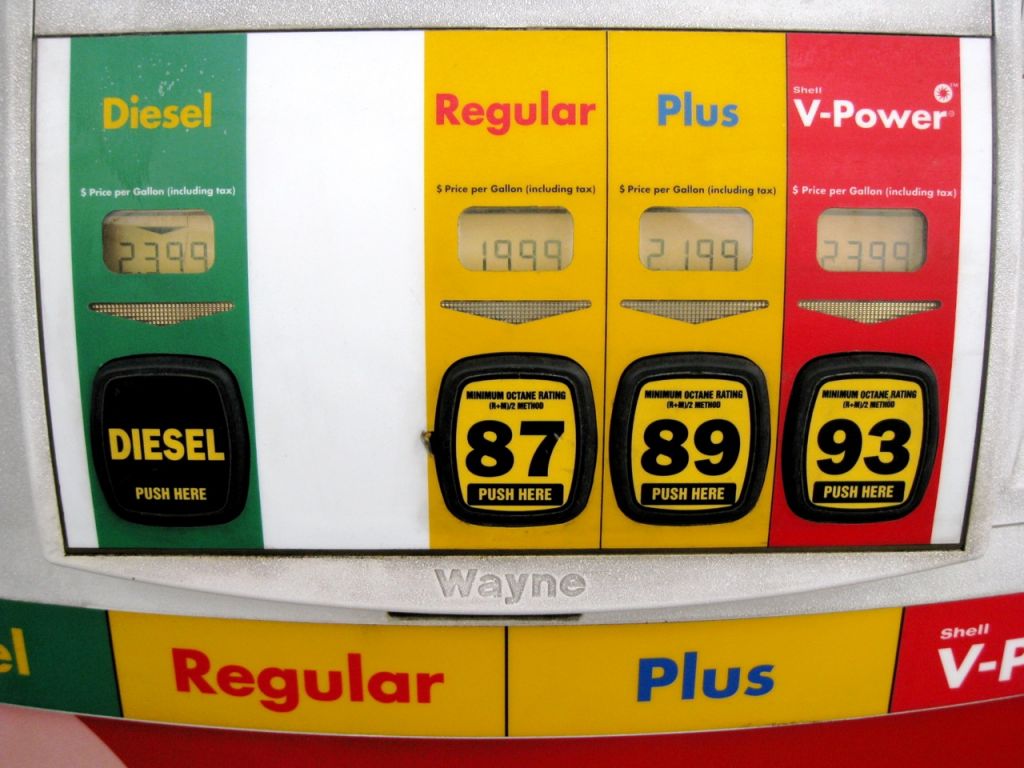

E15 gasoline has emerged as a pivotal player in the realm of alternative fuels, creating ripples across the automotive industry, ecological discussions, and economic discourses. This biofuel, composed of 15% ethanol and 85% gasoline, is garnering attention due to its potential benefits, particularly concerning environmental sustainability and energy independence. Understanding the implications of using E15 fuels—often marked on pumps as “Up to E15″—is crucial for consumers and vehicle owners as they navigate an evolving energy landscape.
In this detailed exploration, we shall dissect various facets of E15 gasoline, shedding light on its composition, compatibility with vehicles, environmental impacts, and regulatory frameworks. Moreover, we shall clarify some myths associated with ethanol-blended fuels and examine the perceptions shaping consumer behaviors.
Composition of E15 Gasoline
E15 gasoline is a blend of conventional gasoline enriched with ethanol, a renewable fuel derived largely from corn, sugarcane, and other plant materials. Ethanol is praised for its ability to reduce dependence on fossil fuels, which is a critical factor in today’s climate discussions. The blend reflects an evolution in fuel technology, combining a higher ethanol content compared to traditional grades like E10, which contains 10% ethanol. This subtle adjustment in composition is integral in increasing octane levels and lowering greenhouse gas emissions during combustion.
Vehicle Compatibility
One of the most debated aspects of E15 is its compatibility with everyday vehicles. The designation “Up to E15” implies that not all vehicles are suitable for this blend. The U.S. Environmental Protection Agency (EPA) has approved E15 for use in cars, trucks, and SUVs manufactured from 2001 onwards. However, several manufacturers still advise against the use of E15 in their older models or certain performance vehicles. Thus, it becomes imperative for drivers to consult their owner’s manual or check for compatibility before making a decision. Engaging with this knowledge not only enhances vehicle performance but also mitigates the risk of engine damage.
Environmental Impact
The environmental narrative surrounding E15 gasoline echoes themes of sustainability and reduced carbon footprints. The increased incorporation of renewable fuels serves to decouple the automotive industry from traditional fossil fuels, aiding in the reduction of greenhouse gases. Ethanol is known to burn cleaner than gasoline, producing fewer particulate emissions, which is a significant benefit for urban air quality. Nevertheless, it is important to note that while E15 may offer cleaner combustion, comprehensive analyses are needed to explore trade-offs, such as land use for corn production and its consequences on biodiversity.
Regulatory Framework
The advent of E15 has not been devoid of controversy, largely stemming from governmental policies and regulations. The Renewable Fuel Standards (RFS), enacted by Congress, mandates a specific volume of renewable fuel, including ethanol, to be blended into the nation’s fuel supply. While this legislation aims to encourage the production and consumption of renewable energy, it has also led to intense debates among stakeholders in the agricultural and oil sectors. As debates continue, understanding legislative nuances becomes crucial for consumers assessing long-term implications of E15 and its availability in the market.
Consumer Perception and Myths
In addition to regulatory complexities, consumer perception plays a significant role in the adoption of E15 gasoline. Many drivers harbor myths, often rooted in misinformation, about the potential drawbacks of using higher ethanol blends. Some fear that E15 could adversely affect fuel economy or engine performance, despite studies suggesting otherwise when appropriate vehicles are used. The challenge lies in dispelling this apprehension and fostering an informed dialogue about the benefits of E15 and its role in a cleaner energy future.
Economic Factors
The economic implications of transitioning to E15 gasoline are multifaceted. Proponents argue that local ethanol production can stimulate rural economies, providing jobs and supporting agriculture. Conversely, there are concerns regarding fluctuations in corn prices due to increased demand for ethanol, which can, in turn, impact food prices. Understanding these economic dynamics is essential for comprehensively evaluating the viability of E15 as a mainstream fuel option. Ultimately, while E15 presents itself as a sustainable alternative, its economic ramifications merit careful consideration.
Conclusion
Shifting paradigms in fuel consumption, E15 gasoline warrants attention beyond the filling station. It serves as a case study in the intersections of energy policy, environmental stewardship, and consumer choices. As motorists grow increasingly conscious of their carbon footprints, the availability and understanding of alternative fuels like E15 become pivotal. Whether viewed through the lens of environmental benefits, compatibility assurances, or economic impacts, E15 will undoubtedly play a significant role in shaping the trajectory of the automotive industry and energy consumption as a whole.
As the landscape of fuel continues to evolve, keeping abreast of information and engaging in proactive discussions about alternatives such as E15 may empower consumers to make informed decisions, ultimately contributing toward a more sustainable future for all.
