

Easter Island, known locally as Rapa Nui, is a place drenched in enigma and allure. This remote gem of the Pacific Ocean, though small in size, bursts with profound history, breathtaking landscapes, and vibrant culture, inviting explorers to embark on an unforgettable journey. This article serves as your comprehensive guide to navigating the mysteries of Easter Island, ensuring your voyage offers both enlightenment and adventure.
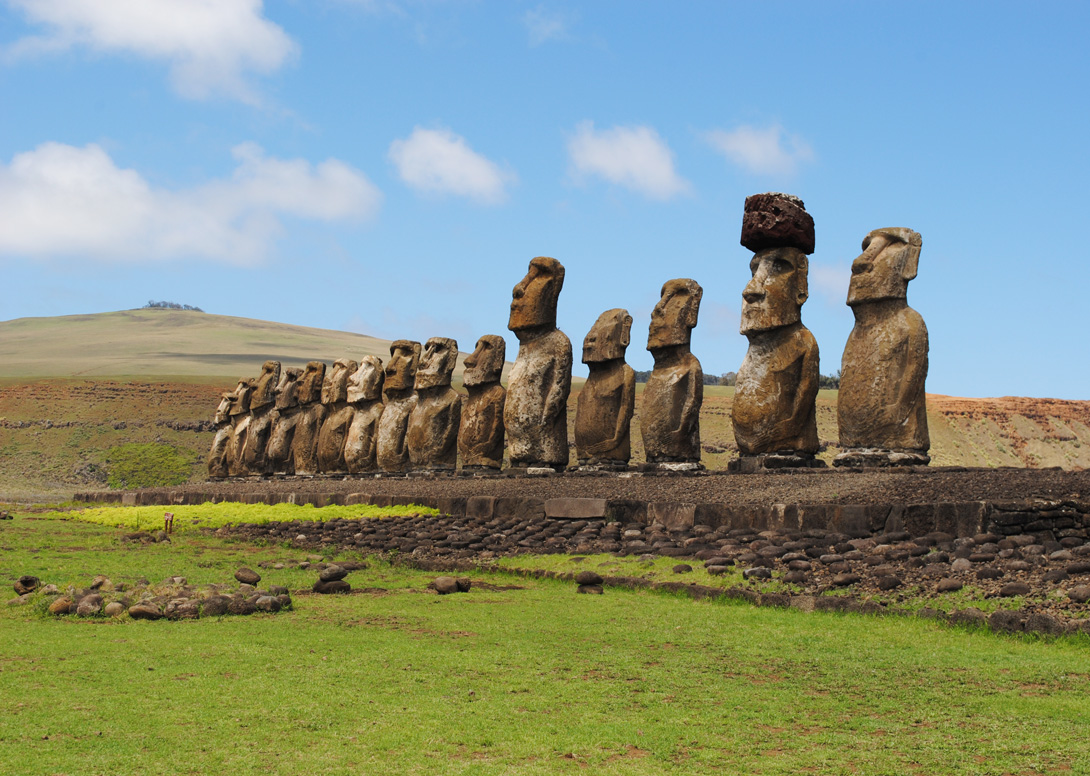
The island is most renowned for the iconic moai statues, monolithic figures that stand sentinel over the land. These massive stone carvings, some weighing up to 75 tons, were crafted by the Rapa Nui people to honor their ancestors. As you traverse the landscape and encounter these statues, you’ll find yourself drawn into the complexities of their construction and the cultural significance they embody—a testament to human ingenuity in a world oftentimes harsh.
But before you set foot on this enchanting island, let’s delve into the kaleidoscope of experiences waiting for you. It begins with the natural wonders that envelop Easter Island. The island’s volcanic origins are manifested in its dramatic cliffs and expansive beaches. Visit Anakena Beach with its golden sands and turquoise waters, where you can bask under the sun, swim in the warm waves, or marvel at the nearby moai that populate the shore. This idyllic setting serves as the perfect juxtaposition to the more rugged and often mystical terrains found elsewhere on the island.
Another stunning natural attraction is Rano Kau, a volcanic crater that boasts a vibrant ecosystem. The hike to its rim is both exhilarating and rewarding. Once you reach the top, peer into the caldera and behold a shimmering lake surrounded by lush vegetation. The panoramic views of the island are simply breathtaking, offering a perspective that makes you acutely aware of the island’s isolation in the vast ocean.
To uncover the island’s rich history, a visit to Ahu Tongariki is imperative. This is the largest ahu (stone platform) on Easter Island, featuring 15 moai statues aligned in a commanding row. The sheer size and artistry of these statues evoke a sense of awe, urging visitors to ponder the stories that have shaped Rapa Nui. The energy here is palpable, as you can almost hear the whispers of the past resonating through the air. Consider timing your visit at sunrise or sunset to witness a spectacle where the colors dance and play against the stone statues—a truly mesmerizing experience.
In addition to the statuary, the island holds archaeological sites rich in lore. Explore the ceremonial village of Orongo, perched above the ocean on the western cliffs. Here, the story of the birdman cult unfolds—a compelling chapter in Rapa Nui’s narrative that involves a captivating competition to retrieve the first sooty tern egg of the season. Walking through these ancient stone structures, you can visualize the rituals that took place, adding layers to your understanding of the island’s cultural fabric.
Beyond the historical landmarks, immerse yourself in the contemporary life of the Rapa Nui people. Their culture is a vibrant mosaic that combines traditional customs with modern influences. Attend a cultural performance to experience the pulsating rhythms of traditional music and dance, where the islanders express their tales through movement and song. Observing these performances, you will gain insight into the identity and pride of the Rapa Nui culture—a culture that has endured centuries of challenges and remains resilient.
Sampling the local cuisine is another avenue through which you can connect with the island’s heritage. Try ‘curanto’, a traditional Rapa Nui dish popularly made with meat, fish, and vegetables, typically cooked underground using heated stones. Dining at a local eatery offers not just a meal but a culinary journey rich in flavors and history, often accompanied by stories from the chefs who prepare these cherished recipes.
As you explore Easter Island, don’t forget to invest time in its underwater world. The surrounding waters offer incredible snorkeling and scuba diving opportunities. Encounter vibrant coral reefs teeming with marine life—both tropical fish and larger species. The clarity of the water allows for breathtaking views and a unique perspective of the ocean’s beauty. This mystical aqua-blue realm serves as both a playground and a sanctuary, inviting discovery beneath the waves.
For those seeking adventure, the island also offers pristine hiking and biking trails that weave through its varied landscapes. Renting a bicycle is an excellent way to explore at your own pace, allowing you to uncover hidden gems dotted throughout the island. Be sure to take the time to interact with locals along your journey, as their warmth and hospitality will further enrich your experience.
When planning your visit, consider the best time to go. The climate is generally warm year-round, but attending during the Festival of Tapati in February provides an opportunity to witness traditional contests that showcase local skills and artistry. This vibrant festival celebrates Rapa Nui culture, immersing visitors in the community’s spirit and traditions.
In summary, Easter Island is a microcosm of adventure, history, and culture that invites you to shift your perspective and delve into the mysteries of the Pacific. From standing before the majestic moai to swimming in crystal-clear waters, your experience on this remote isle will undoubtedly invigorate your curiosity and leave an indelible mark on your memory. As you return from your exploration, you will carry with you the stories of an extraordinary culture—and their timeless promise of resilience, creativity, and connection to one another and the land.
