
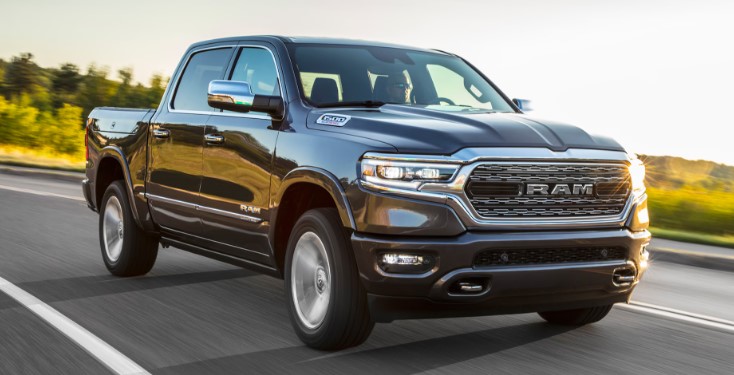

For automotive enthusiasts and potential buyers alike, the Ram EcoDiesel stands out as a captivating option in the realm of diesel trucks. Combining robust performance with impressive fuel efficiency, it has garnered substantial attention since its inception. However, like any vehicle, particularly those ushering in new technologies, not all models are created equal. For prospective buyers, understanding which years to approach with caution is paramount to avoid unfortunate pitfalls.
As you navigate the labyrinth of choices in the used vehicle market, it’s crucial to scrutinize the nuances of different model years. Let’s delve into the Ram EcoDiesel’s landscape, shining a light on the years that may give you pause.
Understanding the Ram EcoDiesel
The Ram EcoDiesel, powered by a 3.0-liter V6 engine, promises the allure of fuel efficiency without compromising on power. Clocking in a remarkable fuel economy of approximately 22 city / 32 highway MPG, it has transformed the way many perceive diesel trucks. Yet, with innovation comes the possibility of unforeseen issues. Recognizing the engineering marvels alongside potential flaws is essential for any buyer.
First Iterations: 2014-2016 Models
When examining the early model years of the Ram EcoDiesel, it’s impossible to ignore the excitement surrounding its introduction. However, the initial excitement was somewhat tempered by a series of issues primarily pertaining to the transmission and engine performance. Many 2014 to 2016 models experienced problems such as shuddering during acceleration, which can be a serious inconvenience when towing or hauling. It’s worth noting that owners reported frustrating lag times in dealer responses, impacting the overall ownership experience.
Moreover, the 2015 models were scrutinized for premature exhaust gas recirculation (EGR) cooler failures. Such complications not only lead to costly repairs but also
raise concerns about long-term reliability. Buyers should approach these years with a careful eye, arming themselves with knowledge from owner forums and expert reviews.
The Critical 2017 Transition Year
The year 2017 marked a pivotal shift in the EcoDiesel saga. With the introduction of updated technology, many hoped for significant improvements. Indeed, the vehicle showcased enhancements in fuel economy and resilience, yet this model year was not devoid of concerns. Buyers should be particularly alert to the legal troubles surrounding diesel emissions during that time. While individual models may run smoothly, the shadow of regulatory scrutiny can introduce uncertainties for potential owners.
Furthermore, reports surfaced regarding turbocharger failures, which could manifest themselves in decreased acceleration responsiveness. This leads buyers to weigh the benefits of updated features against potential maintenance costs that could have long-term implications. Proactive research on specific vehicles becomes crucial in ensuring a calculated decision.
2018 and Beyond: A New Dawn?
As the years progressed, the Ram EcoDiesel evolved and gradually garnered acclaim for improvements in both performance and technology. The 2018 models ushered in a new era, bringing enhancements in refinement and dependability. Notably, the 2019 and later years reaped the rewards of the lessons learned from earlier iterations.
Nevertheless, like any evolution, there are still noteworthy concerns to address. Some buyers reported intermittent electrical issues coupled with software glitches. However, the majority agreed that these problems are less prevalent than in previous years. Even so, seeking models that had performed well in terms of required repairs remains advisable for peace of mind.
What To Look for When Buying an EcoDiesel?
Armed with a clearer understanding of the model years to approach cautiously, it’s vital to accentuate what buyers should seek when considering an EcoDiesel truck. The first step is to diligently examine the vehicle’s maintenance history. Comprehensive service records not only provide insight into previous repairs but also demonstrate whether the owner adhered to recommended service schedules. Additionally, inquire about any factory recalls, which signify potential issues that may not have been resolved.
Another critical aspect of scouting for your prospective truck involves securing a thorough pre-purchase inspection. Engaging an automotive technician familiar with diesel systems can unearth hidden issues that might otherwise remain unnoticed, providing an extra layer of assurance before committing to a purchase.
Don’t forget the importance of test-driving the vehicle. Pay attention to how it feels during different driving conditions, from slow stop-and-go traffic to highway bursts. Listen for irregular noises or vibrations that may signal underlying issues.
Long-Term Considerations
Deciding to own a Ram EcoDiesel is not just a matter of immediate gratification; it’s about envisioning how the vehicle fits into your long-term automotive lifestyle. Consideration of fuel economy is paramount, especially in times of fluctuating fuel prices. Also, remember that diesel engines can provide greater longevity than their gasoline counterparts, provided they receive the appropriate care. This factor often makes a well-maintained EcoDiesel an appealing choice over the long haul.
Ultimately, the Ram EcoDiesel can be a remarkable addition to your fleet, promising fuel efficiency, power, and rugged capability. However, exercising informed discernment through understanding which years to steer clear of can make all the difference. Equip yourself with knowledge, and your journey to vehicle ownership will be one marked with satisfaction rather than regret.
