
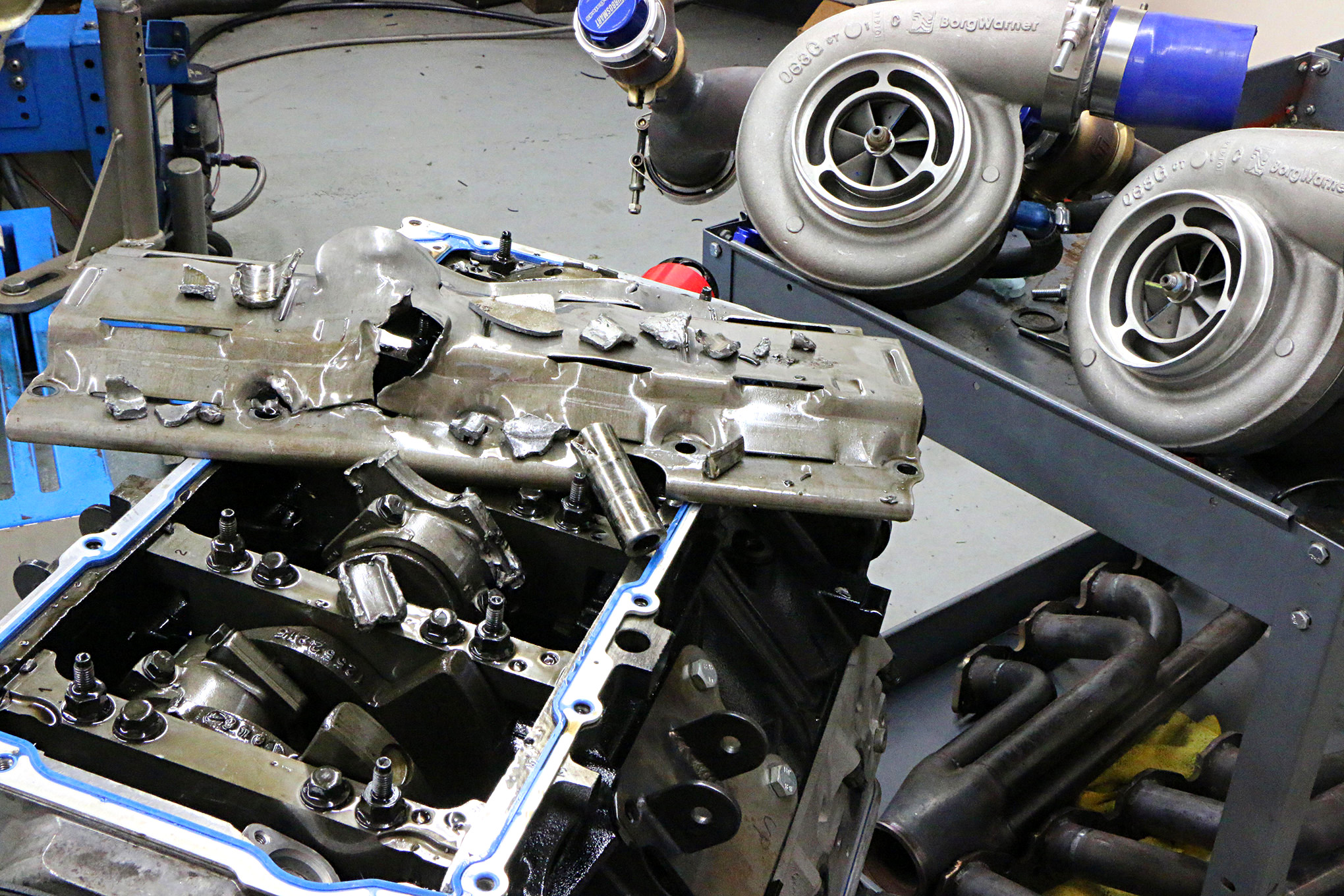

The quest for power in the automotive world often leads enthusiasts to the inevitable question: “How much boost can my engine handle?” For those driving a Ford Mustang equipped with the remarkable Voodoo engine, this inquiry takes on particular significance. The Voodoo engine, known for its naturally aspirated capabilities, is an enthralling piece of engineering. However, its limits under forced induction deserve careful examination. This discussion will delve into the mechanics of the Voodoo engine, the nature of boost, and the intricacies of tuning, offering insights into how much boost this engine can realistically endure.
First, let’s lay the groundwork. The Ford Voodoo engine is a 5.2-liter V8, graced with a flat-plane crankshaft that differentiates it from the more conventional cross-plane crank designs found in many other V8s. The unique layout allows for quicker revs, a more aggressive power delivery, and a distinctive sound profile. These attributes, coupled with a naturally aspirated architecture, provide a robust platform. However, introducing forced induction, typically in the form of superchargers or turbochargers, is where the discussion about boost limits truly begins.
Boost, essentially, refers to the increase in pressure in the intake manifold of the engine. It signifies how much atmospheric pressure is compressed within the engine. For the Voodoo engine, the power gains from adding boost can be exhilarating. But how much is too much? This is where factors like the engine’s internal design, materials, cooling capacity, and tuning come into play.
The fundamental aspect that influences how much boost the Voodoo engine can handle is its robust design. The engine’s forged internals, including pistons and connecting rods, have been crafted to withstand significant stresses. However, even the toughest components have limitations. While estimations vary, many tuning professionals suggest that the Voodoo engine can safely handle anywhere from 8 to 12 psi of boost with proper tuning and supporting modifications.
The next critical piece of the puzzle involves the calibration of the engine. Tuning an engine with forced induction is not merely about turning a knob or adjusting a dial. It requires a deep understanding of air-fuel ratios, ignition timing, and overall engine dynamics. A well-calibrated engine will not only withstand a higher boost but will extract maximum performance safely. A poorly tuned engine, conversely, can suffer catastrophic failures, such as detonation or blown gaskets, even at lower boost levels.
Alongside tuning, the addition of supporting modifications plays a vital role in enhancing the boost tolerance of the Voodoo engine. Upgrading components like fuel injectors, intercoolers, and exhaust systems can significantly alter how well the engine handles increased boost. For example, an upgraded intercooler can help reduce intake temperatures, allowing for denser, cooler air to enter the combustion chamber. This is critical because cooler air can contribute to more efficient combustion, ultimately supporting higher boost levels without the risk of knock.
Another often overlooked aspect is the cooling system. Higher boost levels induce greater thermal output, which can lead to overheating if not managed effectively. Upgrading the cooling system—whether through larger radiators, improved fans, or even aftermarket oil coolers—can aid in preventing heat soak. It’s worth noting that maintaining the engine within its optimal temperature range is crucial for reliability when operating under boosted conditions.
The transmission and drivetrain also require attention when considering increased power. The stock components may be adequate for naturally aspirated power levels but could falter under the additional stress that comes with increased boost. Upgrading to stronger driveline components can prevent failures that would otherwise sideline your high-power aspirations.
It’s essential to consider the fuel system when introducing boost. A Voodoo engine—especially one that’s been modified for forced induction—will demand more fuel to maintain the correct air-fuel ratio under boost. Thus, upgrading the fuel pump and injectors is often necessary to ensure proper fueling. Premium fuels, particularly those with higher octane ratings, can also provide more substantial knock resistance, allowing for more aggressive tuning.
Let’s not dismiss the role of safety mechanisms in navigating the waters of boosted performance. Engine management systems equipped with knock sensors and fuel trimming capabilities can provide real-time feedback on engine health. Utilizing data from these systems can be instrumental in preventing severe engine damage. Additionally, integrating gauges that monitor boost pressure, exhaust gas temperatures, and air-fuel ratios can provide critical insights that can guide tuning decisions.
Ultimately, the Voodoo engine presents a compelling case for those who may want to explore the realm of forced induction. With the right modifications, tuning, and respect for its mechanical limits, a Voodoo engine can transform into a powerhouse capable of exhilarating performance without losing reliability. However, the ethos of performance modifications must always include a careful balancing act between power and safety.
To sum it up, while the Voodoo engine certainly has the potential to handle considerable boost levels, responsibility, and meticulous planning are paramount. Whether your goals are street performance or track domination, understanding how much boost your Voodoo engine can realistically handle—while also being aware of its limits—can mean the difference between a thrilling experience and a costly misadventure.
