

As the adoption of electric vehicles (EVs) accelerates, the nuances of charging technologies and their applications have become pertinent topics of discussion. One question that frequently arises is, “Can I charge my other EV from my Lightning?” This begs a deeper exploration of EV charging solutions and compatibility. The Lightning here refers to the Ford F-150 Lightning, an electric version of the beloved American truck, making it a focal point in our exploration of vehicle-to-vehicle (V2V) charging capabilities.
In recent years, the EV landscape has evolved remarkably, introducing varied charging options that cater to the diverse needs of electric vehicle owners. This discussion will unfold the various types of charging connectors, the mechanics of energy transfer between vehicles, and the broader implications of such capabilities in the electric mobility ecosystem.
Understanding EV Charging Connectors
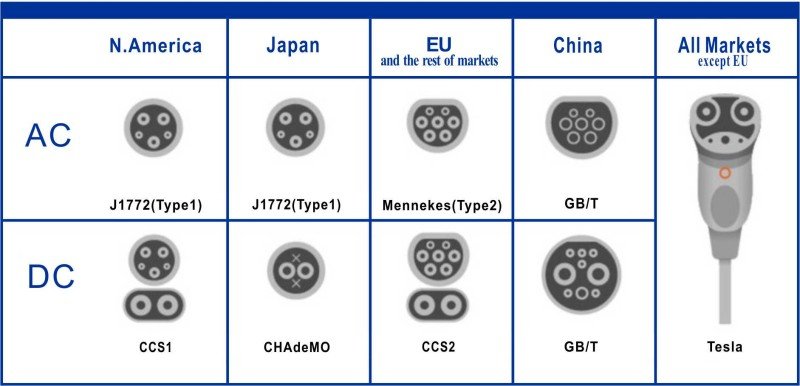
Before delving into the potential of charging one EV from another, it’s essential to grasp the concept of charging connectors. There are a plethora of charging connector types, each designed for specific applications. The most common connectors include:
- Type 1 (SAE J1772): Primarily used in North America, this connector caters to standard charging capabilities.
- Type 2 (Mennekes): Widely utilized in Europe, this connector supports both single-phase and three-phase power.
- CCS (Combined Charging System): A combination of Type 1 or Type 2 connectors with an additional set of DC terminals for fast charging.
- CHAdeMO: A fast-charging method developed in Japan, known for its ability to deliver quick charges.
- GB/T: The Chinese standard, which has its own specifications and design.
When considering whether one could charge an EV from a Lightning, it is quintessential to ensure compatibility between the connectors of both vehicles. The Ford F-150 Lightning utilizes a standard charging interface, which is generally compatible with most Type 2 and CCS systems. Still, it’s essential to verify specifics before implementation.
Vehicle-to-Vehicle Charging: A Revolutionary Concept
The concept of charging one vehicle from another is increasingly gaining traction among EV enthusiasts. This phenomenon is encapsulated in the term Vehicle-to-vehicle (V2V) charging. V2V charging enables one electric vehicle to transfer energy to another, effectively utilizing the surplus energy stored in a vehicle’s battery. But how does this work?
In practical terms, if you consider the Ford F-150 Lightning, it is equipped with the capability to act as a mobile generator. This means that if you have another EV with a depleted battery – say a Nissan Leaf – the F-150 Lightning can offer a helping hand, transferring its battery energy directly to the Leaf. This capability not only broadens the utility of electric vehicles but also instills a sense of community among EV owners, where they can assist one another.
How It Works
To engage in V2V charging, certain mechanisms and technologies come into play:
- Inverter Technology: The F-150 Lightning possesses an onboard inverter that converts the DC power stored in the battery to AC, facilitating the transfer of energy to another EV.
- Application Interface: A user-friendly interface is typically integrated into the vehicle’s dashboard, allowing drivers to easily initiate the charging process. This interface often displays real-time information about battery status and estimated charging time.
- Cables and Connectors: Depending on the type of charging that needs to happen, the correct cables and connectors must be used; compatibility is vital.
Implementing V2V charging can range from straightforward plug-and-play setups to complex configurations depending on the vehicles and their technologies involved. In many cases, the process can be initiated via mobile apps designed to facilitate the transfer.
The Benefits of V2V Charging
V2V charging presents numerous advantages that extend beyond mere convenience. Here are some key benefits:
- Emergency Coverage: During unforeseen circumstances, such as natural disasters or power outages, an electric vehicle can serve as a vital source of energy for another, effectively providing peace of mind.
- Enhanced Convenience: Being able to lend energy to another EV can diminish range anxiety and promote confidence among electric vehicle owners.
- Energy Sharing: In a world increasingly focused on sustainability, V2V charging represents an innovative approach to reducing waste, as energy can be shared rather than left unused.
Challenges and Considerations
Despite its appeal, V2V charging is not without challenges. First and foremost is the compatibility issue described earlier. Different EVs may have varying battery management systems, which complicates energy transfer. Additionally, owners must consider battery health, as excessive energy transfer may potentially affect the longevity of the battery.
Another challenge lies in the legal and infrastructural frameworks that govern energy transfer between EVs. Regulations, safety protocols, and responsibilities are still evolving as V2V technology advances. Therefore, it’s crucial for all parties involved to be educated and informed about their roles during such energy exchanges.
The Future of EV Charging Solutions
The ongoing evolution of EV charging solutions, including V2V capabilities, underscores a future that embraces cleaner, more interconnected energy systems. Solutions that allow vehicles to charge one another could enhance the overall efficiency of EV usage in urban and rural environments. As technology advances and user acceptance widens, it’s conceivable that we could witness a paradigm shift in how we think about and utilize electric mobility.
In conclusion, charging another EV from a Ford F-150 Lightning is not just a whimsical concept; it reflects a burgeoning reality in the electric vehicle world. As our infrastructure continues to improve and new technologies emerge, drivers can look forward to not only owning electric vehicles but also tapping into the communal energy reservoir that each vehicle represents.
