
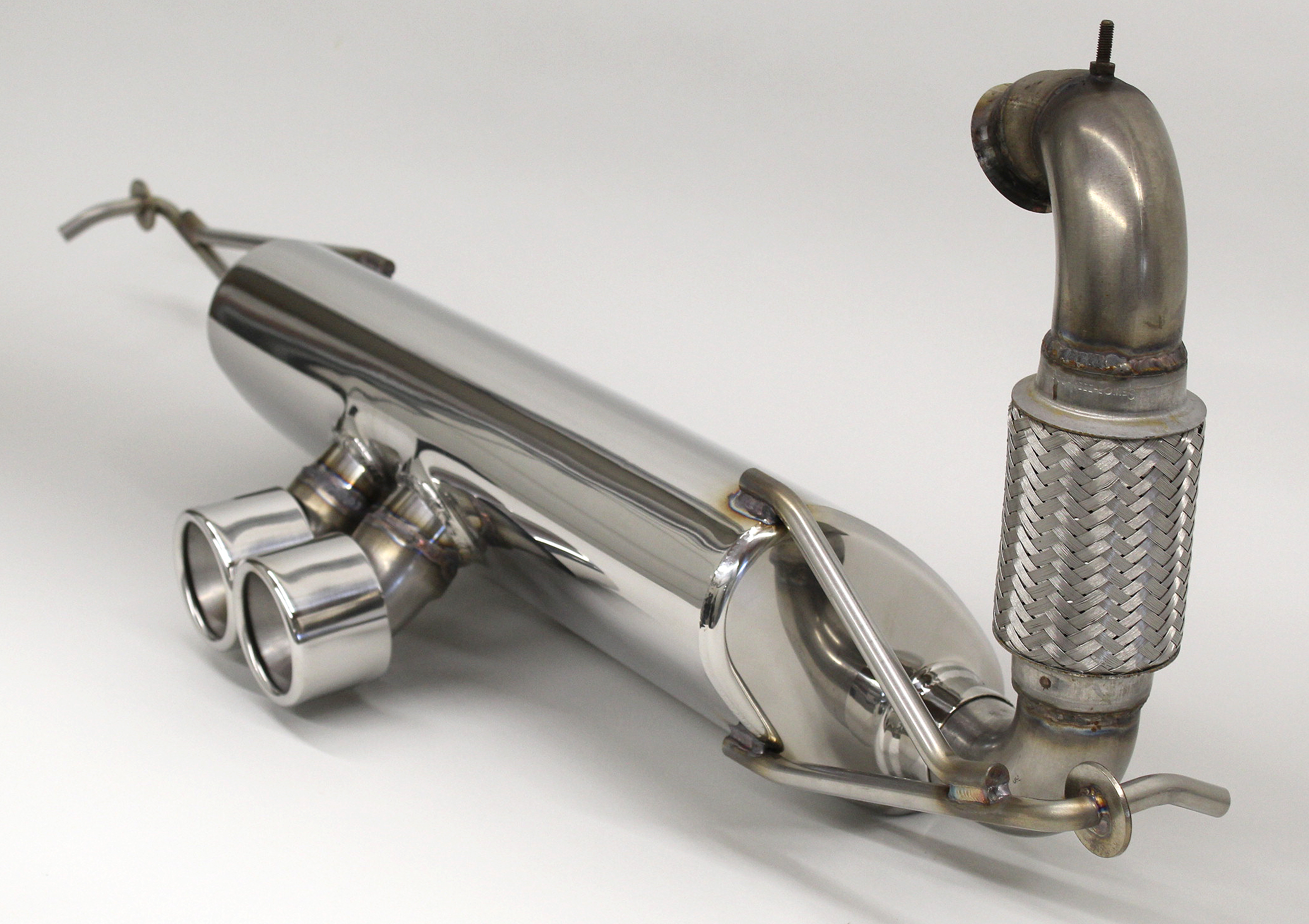

As car enthusiasts seek to amplify their driving experience, exhaust modifications have become increasingly popular. Among these modifications, muffler deletes stand out due to their transformative impact on both performance and sound. However, many car owners find themselves wondering: how much does it really cost to perform a muffler delete? This article delves into the multifaceted aspects of exhaust modifications, focusing on the cost implications of a muffler delete, its benefits, potential drawbacks, and alternative options.
First and foremost, let’s address the cost of executing a muffler delete. Prices can vary widely based on several factors, such as the type of vehicle, the complexity of the exhaust system, and the location where the work is performed. Generally, the cost ranges from $100 to $300 at a reputable shop. For some vehicles, particularly performance-oriented models, a muffler delete may require more intricate modifications, leading to higher costs potentially exceeding $500. DIY enthusiasts may save money by undertaking the project at home, but they must also consider the costs associated with tools and materials, which can add up quickly.
It’s important to differentiate between a muffler delete and other exhaust modifications. While a muffler delete typically involves the removal of the muffler to enhance sound and performance, cat-back systems or straight-pipe exhausts offer more extensive alterations and consequently higher price tags. Cat-back systems, which include the exhaust pipe from the catalytic converter to the rear of the vehicle, can range from $400 to $1,200 depending on the brand and materials used.
So, what are the primary reasons car owners consider a muffler delete? One of the most significant advantages is the enhanced auditory experience. Many drivers pursue this modification to achieve a throatier exhaust note, adding character and aggressiveness to their vehicle’s sound profile. This resonates particularly well with drivers of sports cars and performance vehicles, where the auditory feedback correlates with the driving experience.
Another notable benefit lies in the potential performance gains associated with a muffler delete. By removing the obstruction that a muffler presents, exhaust gases can flow more freely through the system. This can lead to a slight increase in horsepower and torque, especially in high-performance applications where every bit of airflow matters. While the gains might not be monumental, every ounce of enhancement is cherished by performance enthusiasts.
However, it’s crucial to consider the potential drawbacks of a muffler delete. One concern is the legal implications. In some regions, removing the muffler may violate local emissions regulations, making the vehicle illegal for street use. It’s essential to consult local laws and regulations before proceeding with such modifications, as penalties can be severe.
Noise level is another significant consideration. A muffler delete invariably amplifies the exhaust sound, which can be thrilling for some but bothersome for others. The increase in volume may not only draw unwanted attention but may also lead to discomfort during long drives. Additionally, if the modification significantly increases noise levels, it could disturb neighbors or result in fines if the vehicle is deemed excessively loud.
Furthermore, altering the exhaust system can affect a vehicle’s warranty. Many manufacturers will void warranties if modifications are made to the exhaust system, which is an essential point to ponder for those still under warranty. Always check with the manufacturer or dealership before making significant modifications to ensure that you remain protected under warranty.
For those apprehensive about a full muffler delete, there are alternative options available. One such option is a performance muffler, which provides an enhanced sound without completely eliminating the muffler’s functionality. This can be a compromise for individuals seeking a sportier sound while maintaining some level of refinement. Additionally, resonator deletes can help shape the exhaust note without removing the entire muffler system. These avenues allow for a more tailored approach to sound and performance without the potential downsides of a complete delete.
Another innovative alternative is the use of exhaust cutouts. These devices allow drivers to selectively open or close the exhaust path, offering the freedom to toggle between a quieter stock sound and a more aggressive exhaust note when desired. This versatility allows car owners to adapt their vehicle’s sound profile to different situations, melding performance with practicality.
In the realm of exhaust modifications, muffler deletes remain a compelling option for those desiring an auditory experience coupled with incremental performance benefits. However, it’s vital to balance desire with practicality, taking into account the legal, social, and mechanical implications of such modifications. Conducting thorough research, weighing the pros and cons, and consulting with knowledgeable peers or professionals can provide clarity along the journey to achieving the ideal exhaust system.
Ultimately, the allure of a muffler delete lies not just in its ability to transform sound and performance, but also in the personal expression it offers. For many, the modification becomes a hallmark of individuality, a testament to the passion that drives their automotive journey. As with any vehicle modification, understanding your goals and remaining informed will pave the way to a rewarding experience—cushioned by performance, enhanced by sound, and defined by personal choice.
