
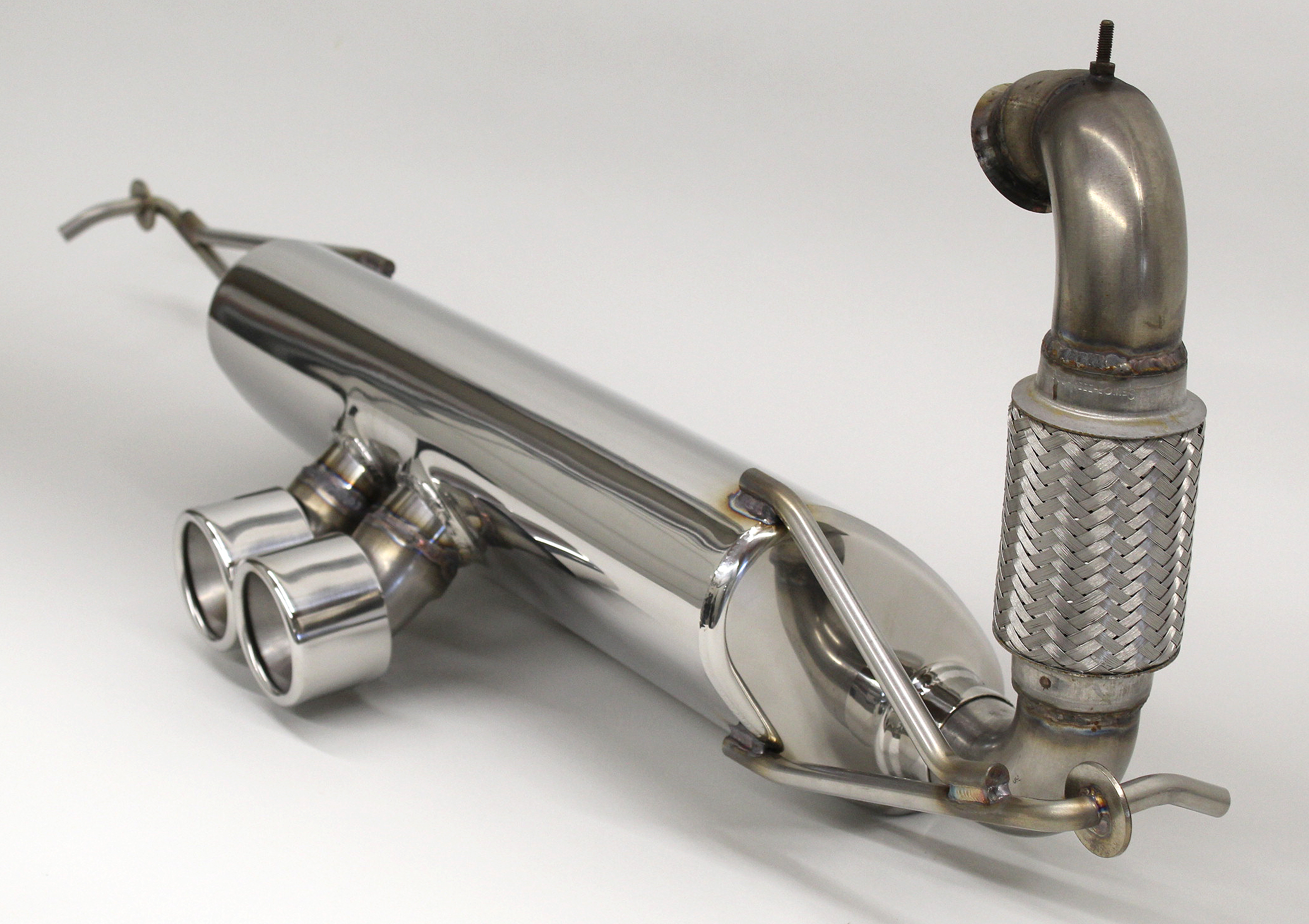

When it comes to car enthusiasts and everyday drivers alike, the sound of an exhaust can evoke a broad spectrum of emotions. Some may cherish the aggressive growl of a performance exhaust system, while others might find themselves annoyed by an unmistakable drone. But what exactly is this drone in exhaust? And why does it inspire such a visceral response? Let’s dive deep into this phenomenon.
In the automotive lexicon, “drone” refers to a specific and often unpleasant sound that emanates from a vehicle’s exhaust system, particularly at certain RPM ranges. This sound is not merely a byproduct of engine mechanics; it is a resonance that can negatively impact the driving experience. Drivers experiencing drone might describe it as a low, humming, or vibrating noise that persists while cruising at specific speeds or engine loads. It’s a sound that can be distracting and fatiguing, detracting from the otherwise enjoyable experience of driving.
So, what causes drone? At its core, drone results from the acoustics of the exhaust system and how sound waves interact within it. When exhaust gases exit the engine and travel through the exhaust pipes, they create sound waves. However, when these waves reach certain frequencies, they can combine and amplify in a way that produces a drone. The shape of the exhaust system, including bends and dimensions, plays a crucial role in determining these frequencies. Similarly, the engine’s RPM will dictate which frequencies become dominant and lead to noticeable drone.
A variety of factors can contribute to this phenomenon. First and foremost is the design of the exhaust system itself. Aftermarket exhausts, which are often installed to enhance performance, can exacerbate drone if they aren’t engineered to minimize its occurrence. The materials used in exhaust construction also impact sound; for instance, certain metals resonate differently, potentially transforming a refined tone into a droning roar.
The vehicle’s overall design and faÇade further influence exhaust noise, especially when it comes to cabin soundproofing. Many manufacturers focus on providing a quiet, comfortable cabin for drivers and passengers. Yet, if the exhaust system emits drone, it can seep into the interior, leading to irritability during long drives.
Another common source of drone is the engine’s tuning and behavior. Clear and pure exhaust notes are often associated with better engine tuning. However, if the engine is misfiring or running inefficiently, it could lead to unbalanced sound waves, intensifying the annoying drone. Particularly with turbocharged engines, the added complexity in the exhaust flow can yield unique sound characteristics, some of which may result in drone at lower RPMs.
The interaction of all these factors creates a unique soundtrack for each vehicle, but when the drone becomes pronounced, many drivers find themselves pondering a remedy. So, how can this audio annoyance be alleviated? Fortunately, there are various strategies to mitigate or even eliminate exhaust drone.
One straightforward solution involves the installation of sound-deadening materials within the cabin or the engine bay. These materials absorb sound waves, reducing noise transmission into the passenger area. Additionally, consulting with professionals who specialize in acoustics can open up avenues for advanced solutions tailored to a specific vehicle.
If a driver has opted for an aftermarket system that is the source of the drone, reassessing the choice of that system may provide relief. Investing in a high-quality exhaust that has been specifically designed to limit drone can transform the driving experience. Manufacturers often conduct extensive acoustic research to balance performance and sound quality. Therefore, opting for premium products can yield dividends in terms of a satisfying auditory experience.
Another technique worth considering is the adjustment of the exhaust’s alignment. Subtle changes in positioning can significantly alter the way sound waves resonate. Ensuring that exhaust components fit snugly and securely can limit unnecessary vibrations that contribute to drone.
For those inclined toward a DIY approach, modifying the exhaust system by adding resonators or mufflers can serve to temper unwanted sounds. These components work by breaking up sound waves and altering their frequency profile, allowing for a more harmonious sound output. However, care must be taken to ensure that performance isn’t sacrificed in the process.
Lastly, tuning the engine may also offer a pathway to reduce or eliminate drone. Adjusting the air-fuel mixture through a remap or recalibration can keep the engine running smoothly and efficiently. A well-tuned engine produces a more refined exhaust note, lessening the chances of drone occurring.
In conclusion, drone in exhaust is a multifaceted phenomenon that impedes many drivers’ enjoyment of their vehicles. By understanding the underlying causes and exploring various rectification methods, drivers can reclaim the audio pleasure of their rides. Whether it’s through sound-deadening techniques, investing in a superior exhaust system, or personal DIY modifications, the path to a noiseless drive is achievable. After all, every enthusiast deserves the perfect symphony while on the road.
