
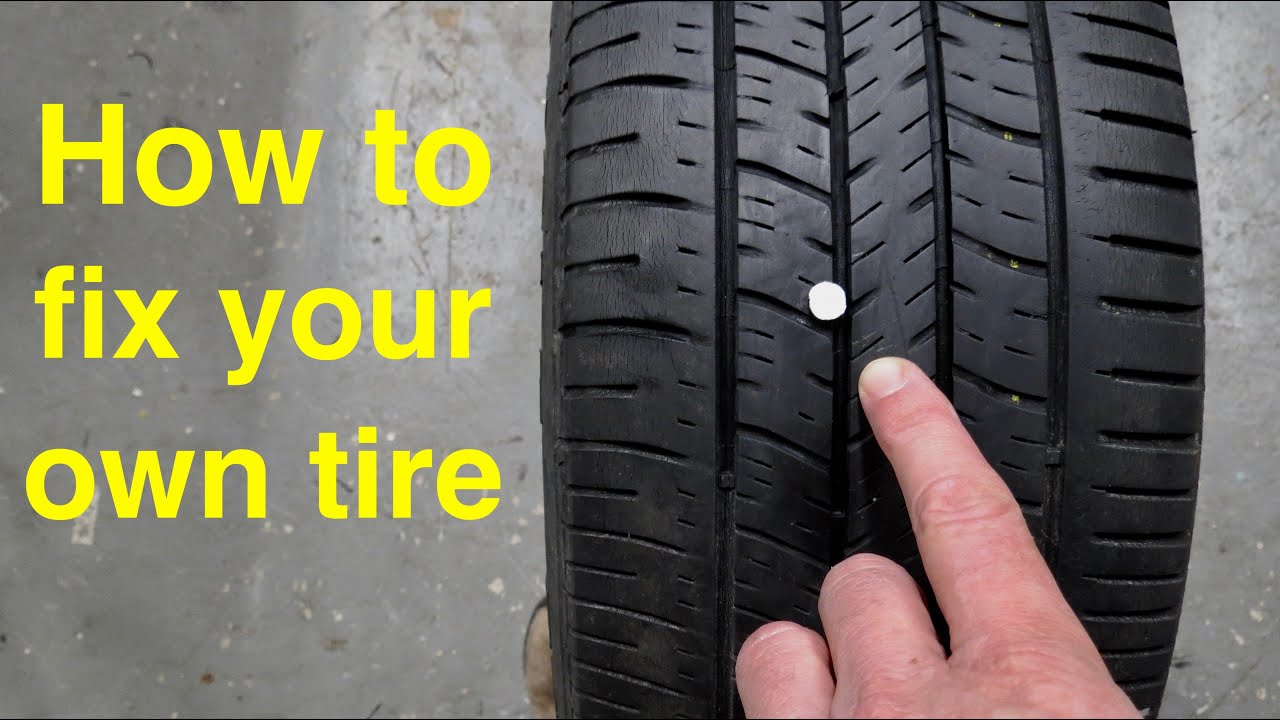

Picture this: It’s a bright Saturday morning, and you’ve planned a road trip that’s been on your bucket list for ages. The excitement bubbles inside you as you finish your coffee, and you can almost feel the wind in your hair. But wait! What’s that? A flat tire? Cue the dramatic music. It’s a challenge you didn’t foresee, yet it’s one many of us encounter at some point in our driving endeavors.
Now, as fate would have it, you have a can of Fix-a-Flat handy. But here’s the burning question: How long does it actually last in your tire? This query warrants a deep dive into the workings of this popular tire sealant and, more importantly, whether it can save the day for your impromptu adventure.
Let’s begin by understanding what Fix-a-Flat actually is. This foam-like substance is specifically designed to seal punctures and inflate flat tires. With a can of Fix-a-Flat, you’re armed with a quick solution—one that promises to get you back on the road in mere moments. It’s simple, speedy, and effective, or at least that’s the idea. But like all good things, it’s essential to understand the limitations of this product.
So, here’s where the intrigue unfolds: How long can you trust this sealant to hold up? Generally speaking, Fix-a-Flat can provide temporary relief and last anywhere from a few days to several weeks. Some users report that their tires stayed inflated for over a month, while others experienced flattening after just a few days. Ultimately, the longevity depends on various factors.
One major element is the size of the puncture. A small puncture—a nail or a shard of glass—might be effectively sealed, allowing the Fix-a-Flat to do its job. However, if the damage is substantial, say, a gash or a sidewall breach, even the most diligent application of this sealant may falter. Therefore, it’s pivotal to assess the extent of the damage before applying any sealant.
Another consideration is temperature. The environment plays a significant role in how Fix-a-Flat—or any tire sealant—performs. Extreme temperatures can affect tire pressure and sealant viscosity. If you’re in a frigid climate, the product may not flow as easily, potentially hindering its sealing ability. Conversely, excessive heat might cause the sealant to break down faster, leading to a quicker loss of pressure.
Now, let’s discuss installation. Using Fix-a-Flat is quite straightforward, but certain nuances can impact its effectiveness. Ensuring that your tire is appropriately inflated before applying the sealant can help optimize performance. Following the instructions on the can is vital: shake it, attach it to the valve stem, and allow the sealant to do its magic as it fills and seals the tire. Keep in mind that proper tire maintenance should not be overlooked; checking tire pressure regularly can minimize the risk of flats in the first place.
Despite its temporary allure, relying solely on Fix-a-Flat is akin to putting a Band-Aid on a more profound wound. While it may provide a quick fix, it is essential to remember that it’s not a substitute for professional tire repair or replacement. After applying Fix-a-Flat, it’s recommended to drive slowly to ensure that the sealant is evenly distributed throughout the tire. Ideally, head to a tire shop as soon as possible; getting a proper fix can prevent complications down the road—quite literally!
Furthermore, those who employ Fix-a-Flat often wonder about its repercussions on tire maintenance and repair. Mechanics usually advise against using sealants before professional evaluation. Some tire repair places may not be able to patch tires repaired with Fix-a-Flat because the sealant can be stubbornly sticky. Thus, what seems like an easy solution could lead to more time and monetary investment later.
Let’s also delve into alternatives for the time-constrained individual. If you find yourself regularly encountering tire woes, consider investing in a portable air compressor or tire plug kit. These tools may require a bit more effort but often yield longer-lasting results. With a tire plug, you’re not merely masking the issue; you’re rectifying it. And while it may not provide instant gratification, it does offer peace of mind—something every traveler craves.
To add a sprinkle of humor to this educational journey, imagine your tire chatting with you after applying Fix-a-Flat. “Thanks for the quick fix, buddy, but don’t get too comfortable! I want an actual date with a tire technician soon!” In a way, our tires might just want to remind us that while a quick fix serves its purpose, maintaining a genuine connection with our vehicle is what fuels longer, healthier relationships.
In summary, Fix-a-Flat can be a real lifesaver when facing a flat tire. Its duration, however, can vary significantly based on the size of the puncture, environmental conditions, and how well it’s applied. Remember to make a swift trip to the tire shop for a proper repair—your future self (and your tire) will likely thank you. So the next time you find yourself in a bind on the road, arm yourself with knowledge, a quick fix, and then head for a professional solution. After all, adventures await, and those winding roads are calling your name!
