
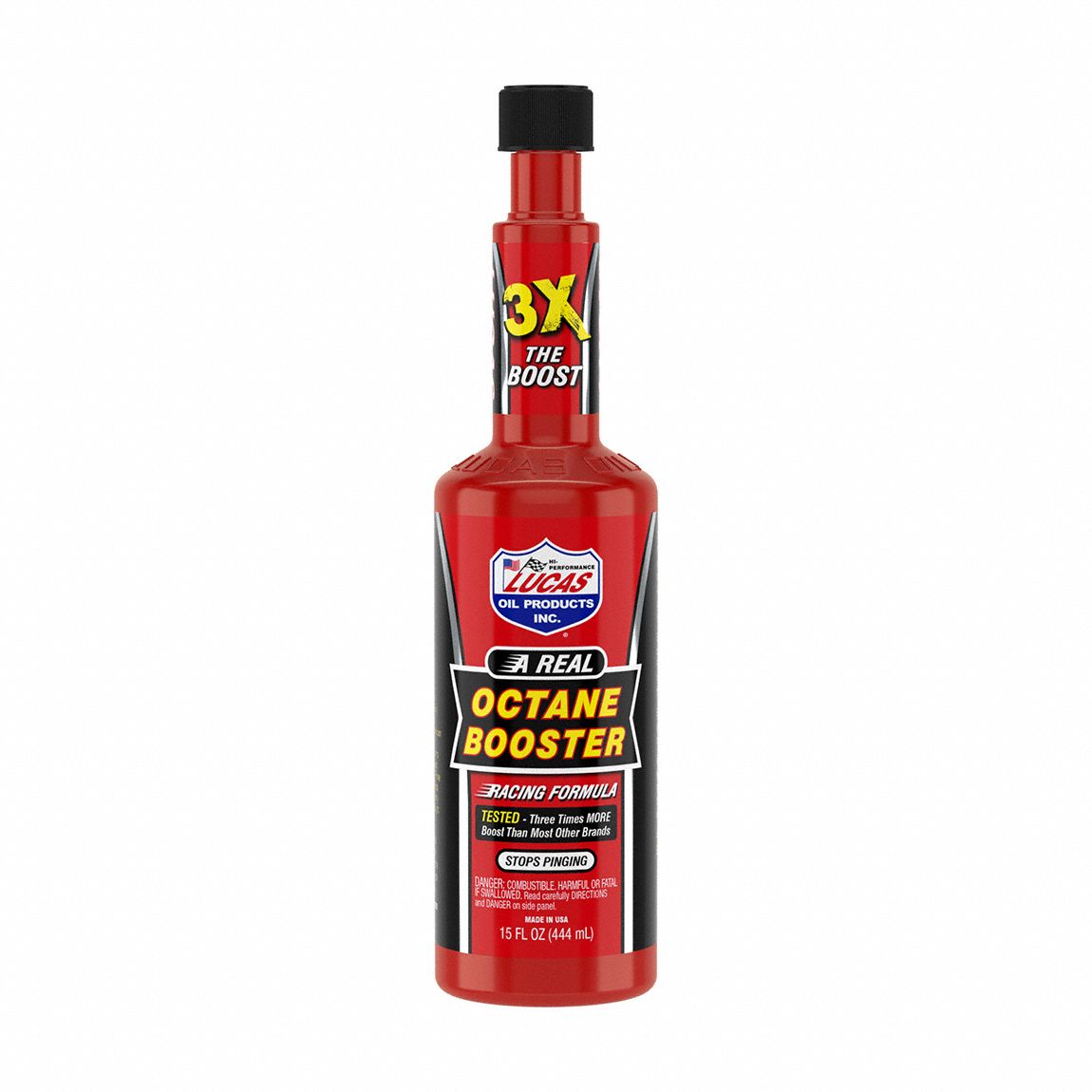

Fuel additives have captivated the attention of enthusiasts and casual drivers alike, as they promise performance enhancements and better engine health. Among these additives, octane boosters hold a prominent position, often sparking lively debates about their efficacy. But what exactly is an octane booster, and does it live up to the claims? In this article, we delve into the intricacies of fuel additives, focusing specifically on octane boosters and their role in optimizing engine performance.
To begin, it’s essential to understand what octane levels signify. Octane ratings are a measure of a fuel’s ability to resist knocking or pinging during combustion, particularly in high-performance engines. When fuel ignites at the wrong time, it can cause detrimental effects on engine performance and longevity. This is where octane boosters enter the picture, designed to elevate the octane rating of gasoline, thus aiming to mitigate such knocking and enhance overall performance.
Now, the primary allure of octane boosters lies in their promise to unlock the latent potential of high-performance engines. Many drivers have reported improved acceleration and smoother operation after using these products. This leads us to the question: do octane boosters genuinely provide the benefits they advertise, or are they simply an expensive placebo?
Understanding the formulation of octane boosters gives us a clearer picture. Most boosters contain a blend of chemical compounds such as toluene, xylene, and various alcohols. These substances work to elevate the fuel’s octane rating. For instance, toluene is known for its high octane value, often exceeding 100. When mixed with lower-octane fuels, it can significantly enhance their resistance to knocking. However, the effectiveness of these additives can vary based on factors such as the base fuel quality and the specific vehicle design.
Another commonly overlooked aspect is the engine type. While octane boosters can benefit performance vehicles designed to operate on higher octane fuels, the effects on standard engines are more nebulous. For most everyday vehicles running on regular unleaded gasoline, using an octane booster may not translate to noticeable improvements in performance or fuel economy. In fact, some experts argue that for many drivers, the additional cost of these products does not justify the potential benefits.
A crucial element to consider is the driving conditions. For instance, engines used under high-stress conditions, such as racing or towing heavy loads, may experience more pronounced benefits from octane boosters. These additives can prevent the onset of knocking or detonation under such stress, helping drivers maintain optimal engine performance. Hence, the fascination with octane boosters is often linked to experiences in specific environments, where the potential gains can be made evident.
Moreover, the perception of octane boosters can also stem from anecdotal evidence and marketing. Testimonials from satisfied users can create a compelling narrative that fuels the desire for enhanced performance. Word of mouth, along with bold claims from manufacturers, can perpetuate the notion that octane boosters are essential for every driver seeking excellence from their vehicle. However, it’s imperative to approach such claims with a critical mindset, weighing the science behind fuel chemistry against personal anecdotes.
While there are undeniable advantages to using octane boosters in certain contexts, there are also significant concerns regarding over-reliance. Excessive use of octane boosters may result in negative impacts on the fuel system. For example, certain additives can create deposits that clog fuel injectors or exacerbate wear on engine components. Understanding the balance and knowing when to deploy an octane booster is vital; moderation is key, after all.
Real-world experiences often teach important lessons. Many automotive enthusiasts invest in high-octane fuels, revealing a stark difference in performance compared to regular fuels. This fuels the perception that octane boosters can similarly enhance fuel quality when used appropriately. However, each vehicle is engineered with specific fuel requirements; optimizing performance often necessitates adhering to these recommendations rather than relying solely on additives.
In summary, the question of whether octane boosters truly work hinges on various factors: engine type, driving conditions, and individual vehicle requirements. For some drivers, particularly those engaging in high-performance driving, octane boosters may indeed provide tangible benefits. Yet, for the typical driver, whose vehicle is tuned for regular gasoline, the use of such additives might not yield the anticipated improvements. As always, informed choices based on a sound understanding of one’s vehicle and the properties of fuel additives can lead to better decision-making.
The fascination surrounding octane boosters continues largely due to the promise of enhanced performance and health for engines. Yet, it remains an intricate dance of chemistry, engine requirements, and driving conditions. When contemplating the use of octane boosters, discerning drivers should have a clear view of both the potential enhancements and the risks involved. Ultimately, knowledge is power, and understanding these complex interactions is crucial for every automotive enthusiast.
