
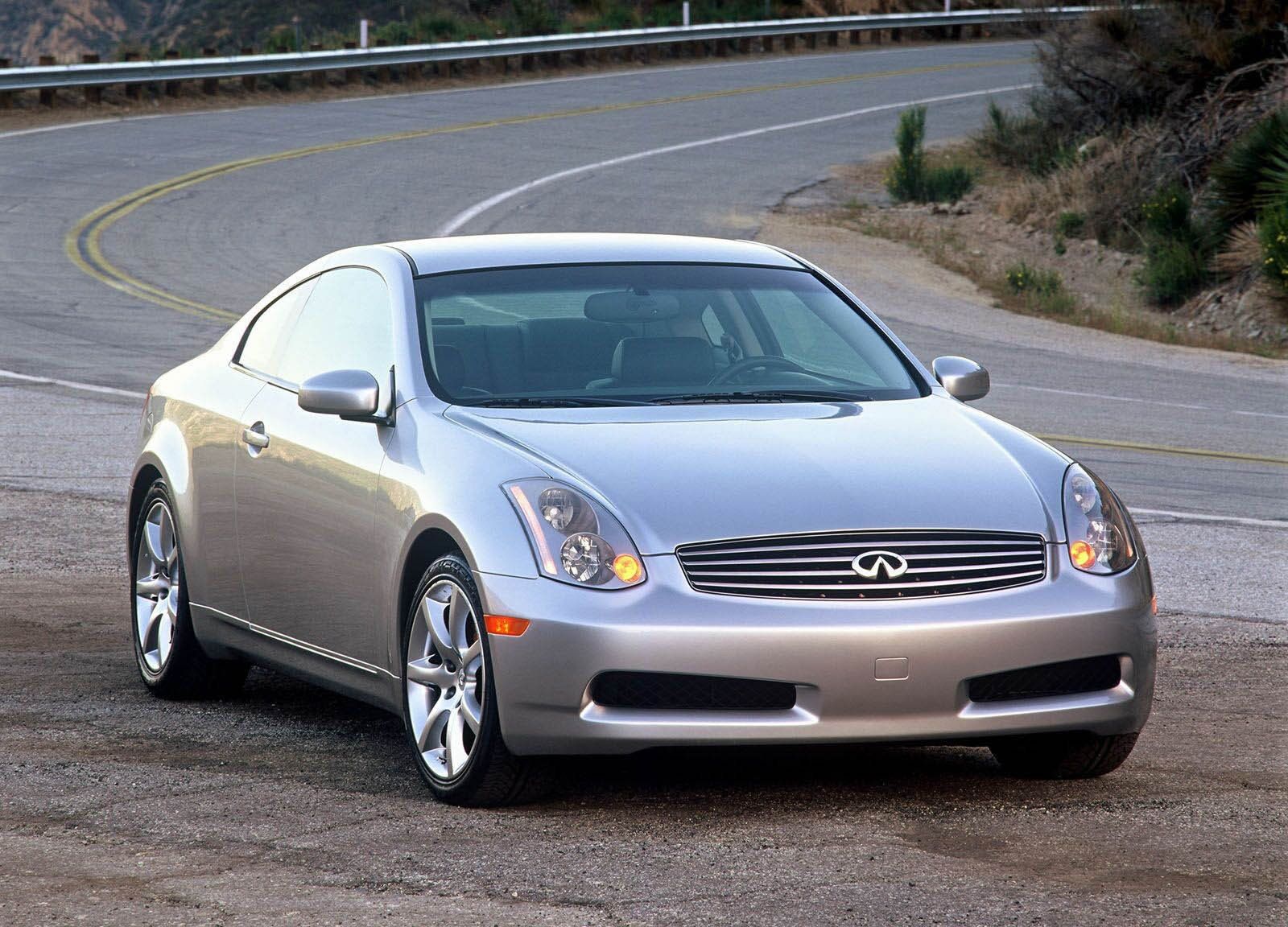

When it comes to automotive engineering, the choice between one-piston and two-piston brake calipers is often a topic of passionate debate among enthusiasts, particularly regarding the 2003 Infiniti G35 Coupe. Understanding the nuances of these caliper configurations can provide deeper insight into not just the mechanics of braking performance, but also the overall engineering philosophy of the vehicle itself.
Before delving into the specifics of one-piston versus two-piston designs, it’s vital to grasp the fundamental role calipers play in a vehicle’s braking system. Brake calipers are crucial components that clamp down on brake discs to create friction, subsequently slowing down or halting the vehicle’s momentum. Given this indispensable function, the caliber (pun intended) of the brake caliper can have significant implications for safety, performance, and vehicle handling.
1. Basic Differences Between One-Piston and Two-Piston Calipers
One-piston calipers, often regarded for their simplicity, employ a single piston to engage the brake pads against the rotor. This design is typically lighter and more straightforward, which can lead to ease of maintenance and potentially lower production costs. However, this simplicity comes at a cost: the braking force is not as evenly distributed, which can lead to uneven wear on brake pads over time.
Conversely, two-piston calipers utilize two pistons to achieve a more balanced distribution of pressure across the brake pads. This configuration allows for a more effective application of force, which often results in superior stopping power and responsiveness. The increased stability can enhance pedal feel and provide drivers with greater confidence during high-performance driving situations, such as spirited cornering or sudden stops.
2. Performance Implications
The performance aspect of braking cannot be overstated; it is intimately linked to the safety and driving experience. In high-performance vehicles like the G35 Coupe, enthusiasts seek precision in every aspect of the car’s dynamics. The distinction between one-piston and two-piston calipers manifests in various performance metrics, such as stopping distances, fade resistance, and heat dissipation.
One-piston calipers are often more susceptible to brake fade, particularly in prolonged use, such as during track days or extended downhill drives. Heat builds up rapidly, compromising performance. Conversely, the two-piston design provides better heat distribution, enabling more consistent performance under duress. This capability is critical for those who intend to push their vehicles to the limit, revealing a clear preference for two-piston systems in performance applications.
3. Weight Considerations
Weight distribution and mass are critical elements when it comes to automotive performance and efficiency. The one-piston caliper is generally lighter than its two-piston counterpart, appealing to those looking for decreased overall vehicle mass. This can have a positive effect on fuel efficiency and handling, as reduced weight can enhance agility.
However, the advantage of weight must be weighed against the performance benefits offered by two-piston calipers. While a one-piston setup may reduce weight, the implications for braking efficiency and driver confidence are profound; the two-piston configurations are likely to deliver superior performance attributes that outweigh their added mass.
4. Maintenance and Durability
Another vital aspect to consider is the long-term maintenance and durability of brake calipers. Generally, one-piston calipers are simpler in design, making them less complex to service and, often, cheaper to replace if issues arise. The absence of multiple moving parts means fewer opportunities for malfunction.
However, the durability of two-piston calipers should not be dismissed outright. They are built for performance and can withstand higher temperatures and stresses. The investment into two-piston brakes often pays dividends through longer service intervals and improved overall longevity, thereby enhancing the vehicle’s performance and safety over time.
5. Cost-Benefit Analysis
As with any decision in vehicle ownership, the cost versus the benefits is paramount. One-piston calipers typically come with a lower price tag, appealing to budget-conscious consumers. They can be a practical choice for those who primarily drive in typical urban conditions without the need for extreme performance.
On the other hand, investing in two-piston calipers may yield greater dividends, especially for enthusiasts or those who frequently engage in spirited driving. When factoring in the enhanced performance, safety, and durability, the potential higher upfront costs can be offset by the lower long-term maintenance costs and improved driving experience.
6. Concluding Observations
Ultimately, the choice between one-piston and two-piston brake calipers for the Infiniti G35 Coupe is not merely a technical one; it represents a broader dialogue within the automotive community regarding performance, safety, and the driving experience. The fascination with the intricacies of braking systems stems from a deeper appreciation of how every component works synergistically to shape the overall character of a vehicle.
As automotive technology continues to evolve, understanding the fundamental differences between caliper designs will remain essential for enthusiasts, mechanics, and everyday drivers alike. Empowering oneself with knowledge paves the way for informed choices that enhance both performance and safety. In the world of high-performance vehicles, such as the G35 Coupe, every detail counts, and the braking system is no exception.
