
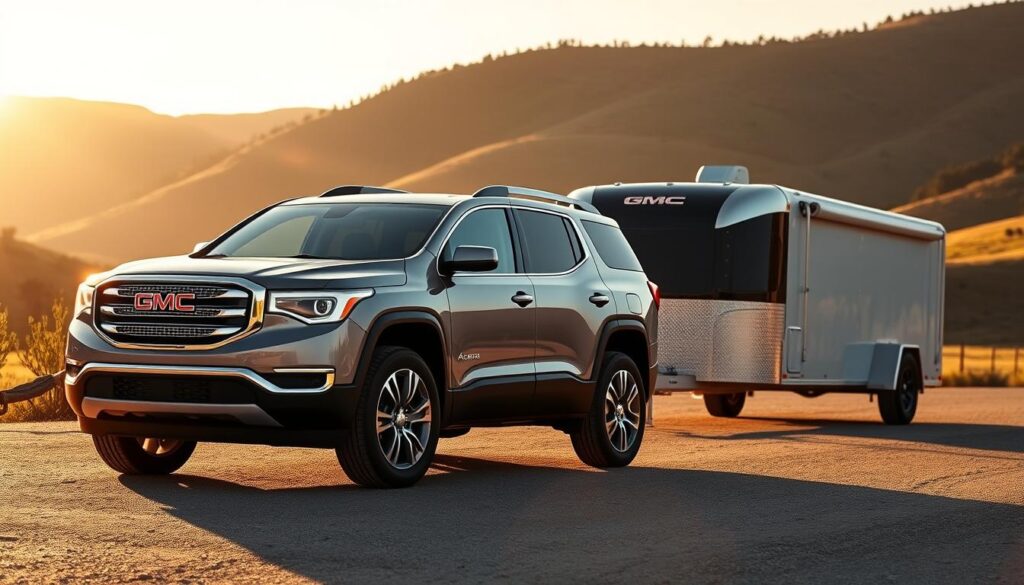

GMC, a name synonymous with rugged capability and American engineering, evokes curiosity among automobile enthusiasts and casual observers alike. But beyond its association with vehicles, one might ask: What does GMC really stand for? This inquiry leads us into the world of automotive nomenclature, where meanings extend beyond mere letters. Specifically, GMC stands for General Motors Truck Company, a division of the larger General Motors Corporation which has a storied history in vehicle production.
The Origins of GMC
Established in 1911, GMC initially served as a manufacturer of commercial vehicles, catering to businesses that required reliable transportation for goods. The brand quickly gained recognition for its durability and innovative engineering. Over the decades, GMC expanded its offerings to include SUVs and pickup trucks, thus permeating the consumer market with an image of strength and versatility.
Understanding the Brand Identity
The essence of GMC can be distilled into a commitment to toughness and capability. Its vehicles have become emblematic of a particular lifestyle—one that values exploration, adventure, and a robust work ethic. From the rugged Sierra pickups to the refined Acadia SUVs, GMC vehicles are often positioned as suitable options for both work and play. But does owning a GMC equate to embracing a lifestyle? This is a playful question that warrants deeper exploration.
GMC versus Other Brands
In an automotive landscape populated by multifarious brands, GMC has carved out a niche that distinguishes it from competitors. While other manufacturers might offer similar products, GMC vehicles frequently tout advanced technology combined with a rugged aesthetic. The challenge here is discerning whether this differentiation is substantive or merely a marketing stratagem. Do consumers purchase a GMC based solely on its capabilities, or is there an underlying psychological allure at play? Observing consumer behavior can provide insights into this phenomenon and reveal the nuances of brand loyalty.
Specifications and Safety Features
Diving deeper into the technical specifications, GMC vehicles are fortified with numerous safety features and advanced technologies. With the integration of Adaptive Cruise Control, Lane Keep Assist, and numerous other driver assistance systems, GMC places a premium on the safety of its passengers. This focus raises the question: How much do safety ratings influence consumer purchasing decisions? It creates a compelling dialog about the balance between aesthetics and functionality within the automotive domain.
The Ecological Aspect: GMC and Sustainability
As an environmental activist, it is crucial to acknowledge the significance of sustainability in the automotive industry. GMC, like many manufacturers, is increasingly operating under the spotlight of climate consciousness. The transition to electric vehicles (EVs) is a pressing matter today, and GMC has made strides in that direction with its introduction of models like the GMC Hummer EV. The challenge lies in the brand’s ability to reconcile its legacy of gas-guzzling trucks with a more ecological future. How effectively can GMC pivot toward sustainability without losing its foundational identity? This raises broader questions about the auto industry’s role in combating climate change.
A Cult Following: Enthusiasts and Community
The community surrounding GMC is vibrant and dedicated. Car enthusiasts often congregate in online forums and social media platforms to discuss modifications, maintenance, and shared experiences. This phenomenon can be dissected: what drives this cult-like following? Is it the vehicles themselves, or is it the sense of camaraderie that comes from owning a GMC? This aspect of brand engagement serves as an important case study for understanding consumer investment in not just a product, but a community.
Looking Towards the Future
As the automotive industry evolves at breakneck speed, GMC is at a crossroads. While its traditional trucks and SUVs offer a solid foundation, the challenge lies in charting a course toward innovation without alienating its core demographic. With fluctuating fuel prices and an increasing push for sustainable practices, GMC must find a way to remain relevant in a changing climate of consumer expectations.
Moreover, as the global community becomes more cognizant of environmental implications, GMC’s ongoing commitment to reducing its carbon footprint will be scrutinized by consumers and critics alike. How well can GMC adapt to these disruptions while maintaining its rugged image? This introspection is vital for the company’s longevity in an increasingly eco-aware world.
The Takeaway
In the grand tapestry of automotive history, GMC stands as a significant thread woven with rich heritage, innovation, and unwavering dedication to quality. Understanding what GMC represents—its roots in the General Motors Truck Company and its evolution over time—provides insight into a brand that is more than just a name; it is a lifestyle. The playful question of its identity, its relationships with consumers, and its responsibilities toward sustainability paints a multifaceted portrait of the brand. As GMC looks to the future, it presents an exciting yet complex challenge—one that embodies the very essence of modern-day automotive discourse, urging us to ponder how legacy brands can evolve while upholding their core values amidst a backdrop of environmental urgency.
