
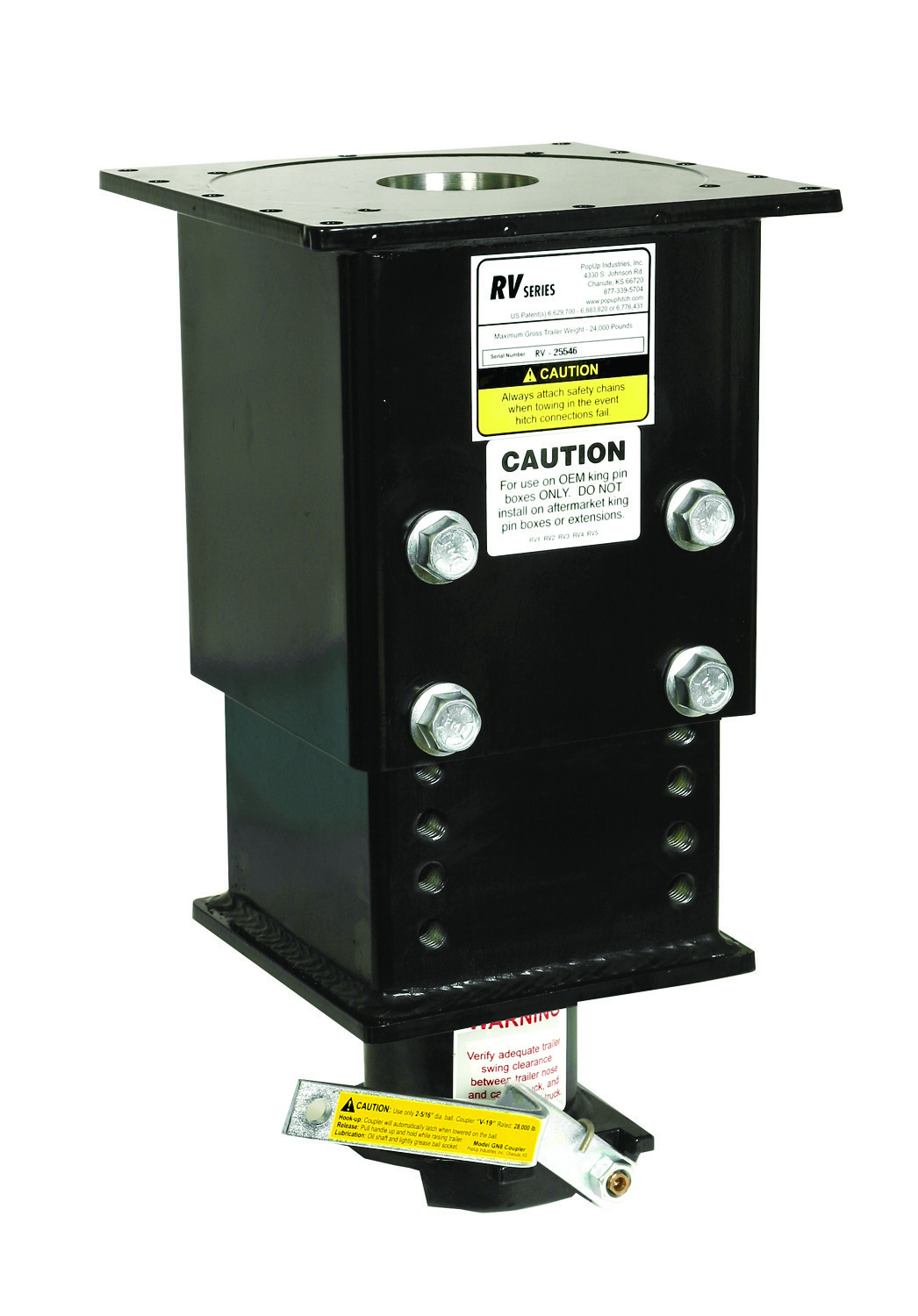

When it comes to towing, the equipment utilized plays a significant role in ensuring safety and efficiency. One critical component in the world of towing is the gooseneck hitch adapter, specifically designed to convert a fifth wheel hitch to a gooseneck configuration. This apparatus serves a fundamental purpose, allowing for the seamless coupling of trailers designed for fifth wheel towing with vehicles equipped with gooseneck hitches. Understanding the functionality, benefits, and varieties of these adapters is essential for those involved in towing operations.
The essence of a gooseneck hitch adapter lies in its design, which aims to bridge the gap between two distinctly different towing mechanisms. Fifth wheel hitches and gooseneck hitches each have unique characteristics suited for specific towing requirements. Fifth wheel hitches typically employ a triangular design and are mounted over the truck bed, allowing for a stronger connection and improved stability, particularly in heavy towing scenarios. Conversely, gooseneck hitches are anchored in the bed of the truck and enable a smoother towing experience for larger trailers.
One of the primary advantages of using a gooseneck adapter is versatility. Many truck owners find that they may prefer the towing capabilities of a gooseneck hitch but own a fifth wheel trailer. Instead of purchasing a new trailer or modifying an existing one, they can opt for an adapter that fits seamlessly onto the gooseneck hitch. This accessory typically attaches to the gooseneck ball and includes an adjustable plate that accommodates the fifth wheel hitch. As a result, it provides enhanced functionality and adaptability without necessitating drastic changes to existing setups.
Moreover, safety remains a critical consideration in towing, and the gooseneck adapter is designed with various safety features to mitigate risks. Many adapters come equipped with safety chains, ensuring additional security and stability during transit. This feature is particularly beneficial when navigating uneven terrain or making sharp turns, where the risk of disconnecting can increase. Users should always prioritize safety when selecting and using towing equipment, making the inclusion of these safety mechanisms imperative.
Adaptability extends to the different types of gooseneck adapters available on the market. Primarily, they can be categorized into two types: the fixed gooseneck adapter and the sliding gooseneck adapter. The fixed adapter is typically bolted directly to the truck bed and offers a stable, immovable connection. This is ideal for consistent and predictable towing scenarios. On the other hand, sliding adapters are specifically engineered to allow the hitch assembly to slide back and forth, providing greater maneuverability. This feature is particularly advantageous when towing larger trailers, as it allows the driver to make tight turns without the risk of contact between the trailer and the cab of the truck.
In addition to functionality, users should consider the material from which these adapters are constructed. Durability is paramount in any towing equipment. Most gooseneck adapters are manufactured from robust steel or other high-strength metals, ensuring that they can withstand the weight and stresses of towing heavy loads. However, the weight of the adapter also plays a role in the overall efficiency of the towing setup. A heavier adapter may offer more stability but can reduce the overall weight capacity when loaded. It is essential to strike a balance that aligns with your specific towing needs.
Compatibility is another crucial aspect. Not all gooseneck adapters are universally compatible with all trucks and trailers. When selecting an adapter, check the specifications for both the adapter and the trailers it will be used with. Consider the weight ratings to ensure the chosen adapter can safely handle the maximum load. Proper fitment is vital; using an adapter that does not match the vehicle or trailer can lead to potential accidents or mechanical failures.
Installation of a gooseneck adapter is a vital procedure that should not be overlooked. While some adapters are designed for easy, do-it-yourself installation, others may require professional assistance, particularly those that involve complex modifications to the truck bed. A properly installed adapter not only enhances safety but also ensures the functionality of the towing setup. Follow the manufacturer’s guidelines for installation, and consider regular inspections to ensure that fittings remain secure over time.
Furthermore, understanding the costs associated with gooseneck adapters is important for budget-conscious buyers. Prices can vary significantly based on brand, materials, and added features such as sliding mechanisms or built-in safety chains. It’s advisable to conduct thorough research, comparing different products and assessing reviews from other users. This ensures a well-informed purchase that aligns with your specific needs without overspending.
In conclusion, a gooseneck to fifth wheel hitch adapter is an invaluable device for those engaged in towing activities. Its versatility, safety features, and adaptability to various vehicles and trailers make it a smart choice for truck owners looking to expand their towing capabilities. By understanding the different types of adapters available, prioritizing safety, ensuring compatibility, and considering installation processes, one can make an informed decision that enhances the towing experience. As the landscape of towing continues to evolve, equipping oneself with the right tools is essential for safe and efficient travel on the road.
