
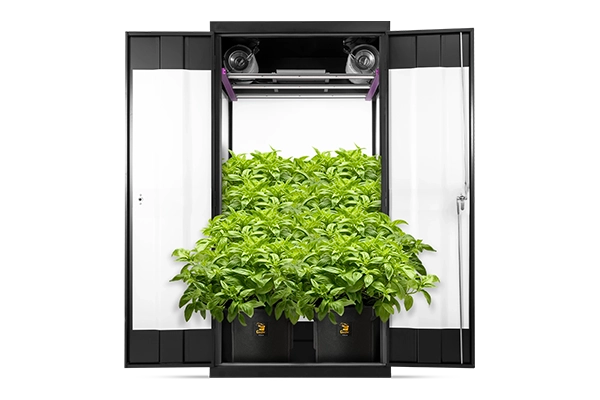

Setting up your grow tent is akin to crafting a serene ecosystem, meticulously designed for optimal plant health and cultivation. One crucial component of this setup is the temperature probe. It might seem trivial, but where you place this unassuming device can significantly influence your plants’ growth trajectory. This article aims to shed light on the best practices for positioning your temperature probe in a grow tent, promising to alter your perspective on its pivotal role in your indoor gardening journey.
As you embark on the adventure of growing plants indoors, it’s essential to acknowledge a fundamental principle: plants are incredibly sensitive to their environment. Temperature fluctuations can induce stress, hinder photosynthesis, and unearth a plethora of other growth-related conundrums. Therefore, as you refine your grow tent setup, the primary question arises: where should the temperature probe reside for the most accurate readings?
Firstly, let’s consider the natural dynamics of a grow tent. This confined space, designed to simulate a specific climatic condition, operates differently than the great outdoors. In nature, temperature isn’t uniform—it fluctuates depending on various factors such as time of day and proximity to heat sources. Inside your grow tent, however, the layout and placement of equipment can create microclimates. Understanding this phenomenon is critical in determining the ideal location for your temperature probe.
One might instinctively think the best place to position the temp probe is right next to the heating or cooling system. While this may provide a localized reading, it could be misleading. The plant canopy is where the action occurs, where leaves unfurl to soak up light and synthesize nourishment. Therefore, positioning the probe at the canopy level is arguably the most effective approach. This positioning allows you to accurately gauge the temperature that your plants are experiencing, rather than just measuring the air in close proximity to heating elements.
Moreover, it’s essential to consider the variations in temperature that can occur within different heights of the grow tent. Heat rises. Thus, you may find that the upper reaches of the tent are significantly warmer than the lower areas. The ideal strategy involves placing the temperature probe approximately midway between the plants and the grow light. This height allows for a representative reading that reflects the conditions the plants are actually experiencing.
As you dive deeper into the intricacies of temperature management, consider the proximity of your humidity levels. In many grow tents, humidity levels are as crucial as temperature. It’s not sufficient to merely monitor temperature; rather, you must achieve a harmonious balance between the two. Strategically positioning your probe near a humidifier or dehumidifier can help you ascertain a more accurate reading of the overall ambient conditions within the tent.
Another angle to consider is the placement of the temperature probe in relation to airflow. For optimal health, plants require not just adequate temperatures and humidity but also good airflow. As such, allowing for proper air circulation around the probe is crucial. Locating the probe near an air vent or fan can ensure that you are not measuring stagnant air, which might not reflect the true growing conditions. This aspect is particularly vital if your grow tent utilizes fans to circulate air, as these devices can create pockets of temperature variability if not appropriately managed.
Furthermore, it’s essential to adjust your temperature probe’s position as your plants mature. Younger plants may require different temperature settings compared to their more mature counterparts. As the leaves expand and the plant canopy thickens, the readings at lower heights may change dramatically. Periodically recalibrating the probe’s location in response to your plants’ growth stages can ensure consistent monitoring throughout their lifecycle.
Engagement with technology can also enhance your temperature monitoring practices. Many advanced temperature probes come with app integrations, allowing you to monitor conditions remotely. This convenience empowers you to make adjustments based on real-time data, ensuring your plants thrive without your physical presence. If you’re looking for precision, consider investing in smart technology that can alert you to sudden changes in temperature, prompting immediate action to avert potential stress on your plants.
At this juncture, it’s pertinent to emphasize the importance of regular inspections and calibrations. No device is foolproof. Occasionally, the accuracy of your temperature probe may waver due to dust accumulation, mechanical wear, or battery failure. Establish a routine to check the equipment and keep it clean. A reliable temperature probe is the cornerstone of delicate ecosystem management within your grow tent.
Finally, when embarking on your grow tent setup with your freshly positioned temperature probe, remind yourself that the journey is seldom linear. There will be trial and error involved in fine-tuning your environment. Embrace the process, and be receptive to feedback from your plants. They are astute indicators of what is working and what is not. The knowledge you gather from observing their responses will better equip you to adjust both the temperature probe and other environmental factors accordingly.
In conclusion, finding the best location for your temperature probe in a grow tent is a nuanced endeavor that goes beyond mere placement. From physics to plant biology, the discussion encompasses various elements. As you refine where your temperature probe resides, remember that your plants thrive within a broader ecosystem—and your vigilant monitoring will invariably lead to lush, bountiful harvests. Unlocking this knowledge may just transform your indoor gardening experience, paving the way for a flourishing environment where plants can grow to their full potential.
