
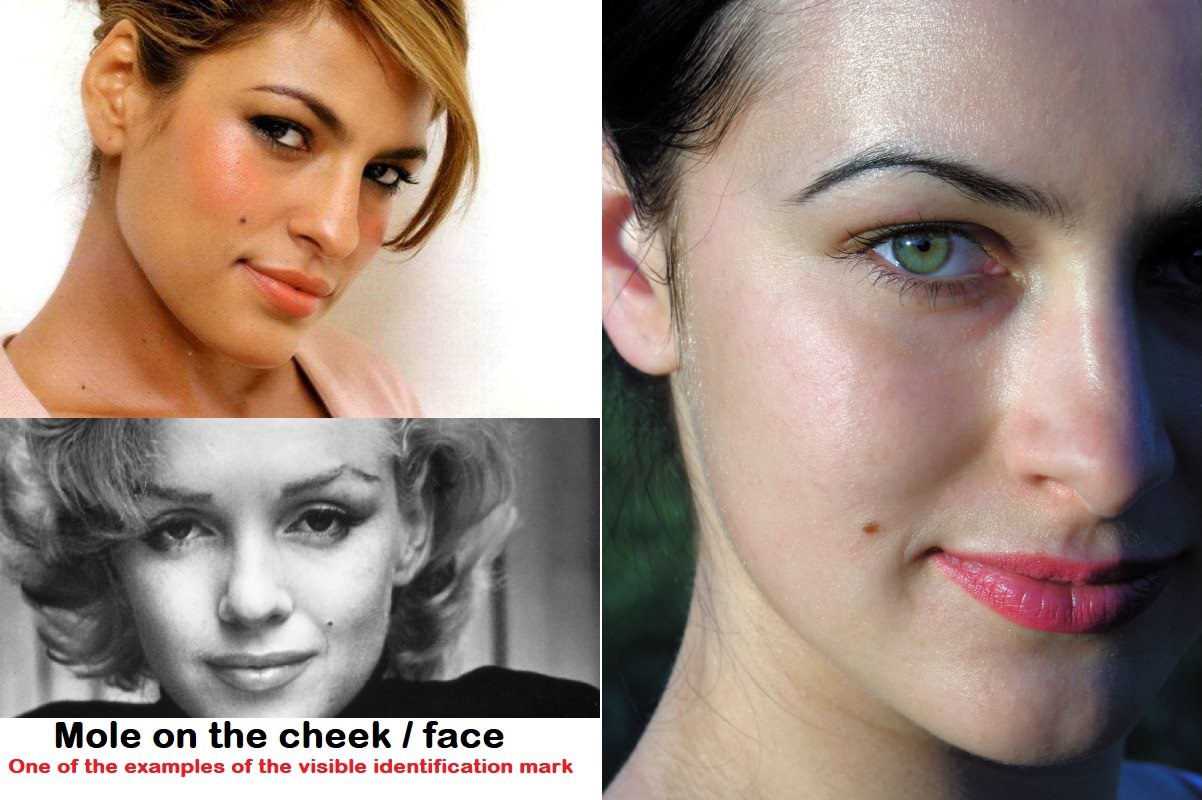

India, a land steeped in diverse cultures, rich histories, and breathtaking landscapes, welcomes travelers with open arms. Yet, beneath the bustling markets and serene temples lies a crucial requirement for entry: the India visa. One of the intriguing aspects of this visa application process is the concept of “visible identification marks.” This phrase may evoke curiosity or confusion for many applicants. What does it mean? Why is it significant? Let’s explore the depths of this relatively obscure yet essential component of the Indian visa application.
To traverse the labyrinthine journey of obtaining an Indian visa, applicants must wrangle with an array of documentation. The visible identification marks section is not merely an administrative checkbox; it plays a significant role in identity verification and security. Think of it as the proverbial thread in a tapestry, adding vibrancy and distinction. These identification marks are unique physical features that differentiate individuals, providing an extra layer of assurance to the authorities.
So, what exactly qualifies as a visible identification mark? These can include any distinctive traits such as moles, scars, tattoos, or birthmarks located on noticeable parts of the body. It’s as if the universe has stitched subtle details onto our skin, telling a personalized story only we can narrate. When an applicant describes these features in their visa application, they contribute to a mosaic of physical identity, enhancing the accuracy of identification and reducing the chances of fraud.
A literal interpretation might suggest that such details focus on aesthetics, but the underlying purpose is far more profound. In an age where identity theft remains perilously prominent, the inclusion of visible identification marks serves as a bulwark against potential impersonations. Imagine a tapestry fraying at the edges, unravelling at the seams—this meticulous detailing maintains the integrity of the picture, ensuring that each thread—each individual—remains distinct.
In light of increasing global travel, the necessity for stringent identification measures cannot be overstated. The Indian government has recognized that maintaining the safety and security of its borders is paramount while simultaneously promoting tourism and business opportunities. Therefore, visible identification marks become a dialogue between the traveler and the authorities, a handshake of trust built upon veracity. The clarity and transparency added by these identifiers cultivate a sense of camaraderie, fostering smoother interactions between visitors and the nation.
Another layer of significance emerges when we consider the implications of omitting such details. Just as an artist would struggle to conjure a complete picture without using their palette thoughtfully, applicants who overlook the inclusion of visible identification marks may find their visa applications delayed or denied. This is not merely bureaucratic red tape; rather, it is a reminder that travel—and the journeys we embark upon—are as sacred as the passport stamps we collect along the way. Each individual is an integral piece in the larger puzzle of global connection.
As we delve deeper into the nuances of these visible identification marks, one cannot help but draw parallels to other forms of identification we encounter in daily life. Our fingerprints, retina scans, and even facial recognition technologies are all modern embodiments of the same principle: to unerringly identify and authenticate individuals. The human experience, in all its complexity, is stitched together by these connections. In that context, visible identification marks on the Indian visa application reinforce the idea that our identities are not mere abstractions; they are deeply personal and profoundly significant.
Furthermore, these marks can be seen as a reflection of our stories. Many people carry with them tales inscribed on their bodies—be it a scar from a childhood adventure or a tattoo symbolizing a transformative journey. When fulfilling the visa application, applicants have the opportunity to immortalize a snippet of their life story, entwining it seamlessly into their travel narrative. Just as every traveler embarks on a unique journey, their physical identifiers offer a glimpse into who they are, enriching the aura of cultural exchange that accompanies international travel.
So why does this matter in the grand tapestry of global tourism? The visible identification marks section is not a trivial pursuit; it symbolizes the intersection of security, identity, and the human experience. It serves to protect not just the nation’s borders, but also the myriad stories travelers carry with them. Every application processed enhances the cultural dialogue between nationalities and enriches the shared human experience.
In an increasingly interconnected world, understanding the significance of such details can transform the bureaucratic process from a mundane task into a meaningful interaction. It allows for narrative continuity—for identity to seamlessly tie back to the endless adventures that await beyond one’s homeland. As prospective travelers prepare to complete their Indian visa application, the emphasis on visible identification marks serves as an invitation to celebrate the individuality embodied in our physical features and the stories etched upon our skin.
Ultimately, each mark tells a story worth listening to. So, as you prepare for your journey to India, remember that even the smallest details matter. Embrace the importance of visible identification marks, for they do not merely serve a bureaucratic function; they weave a narrative rich with authenticity, trust, and the promise of adventure on foreign soil.
