
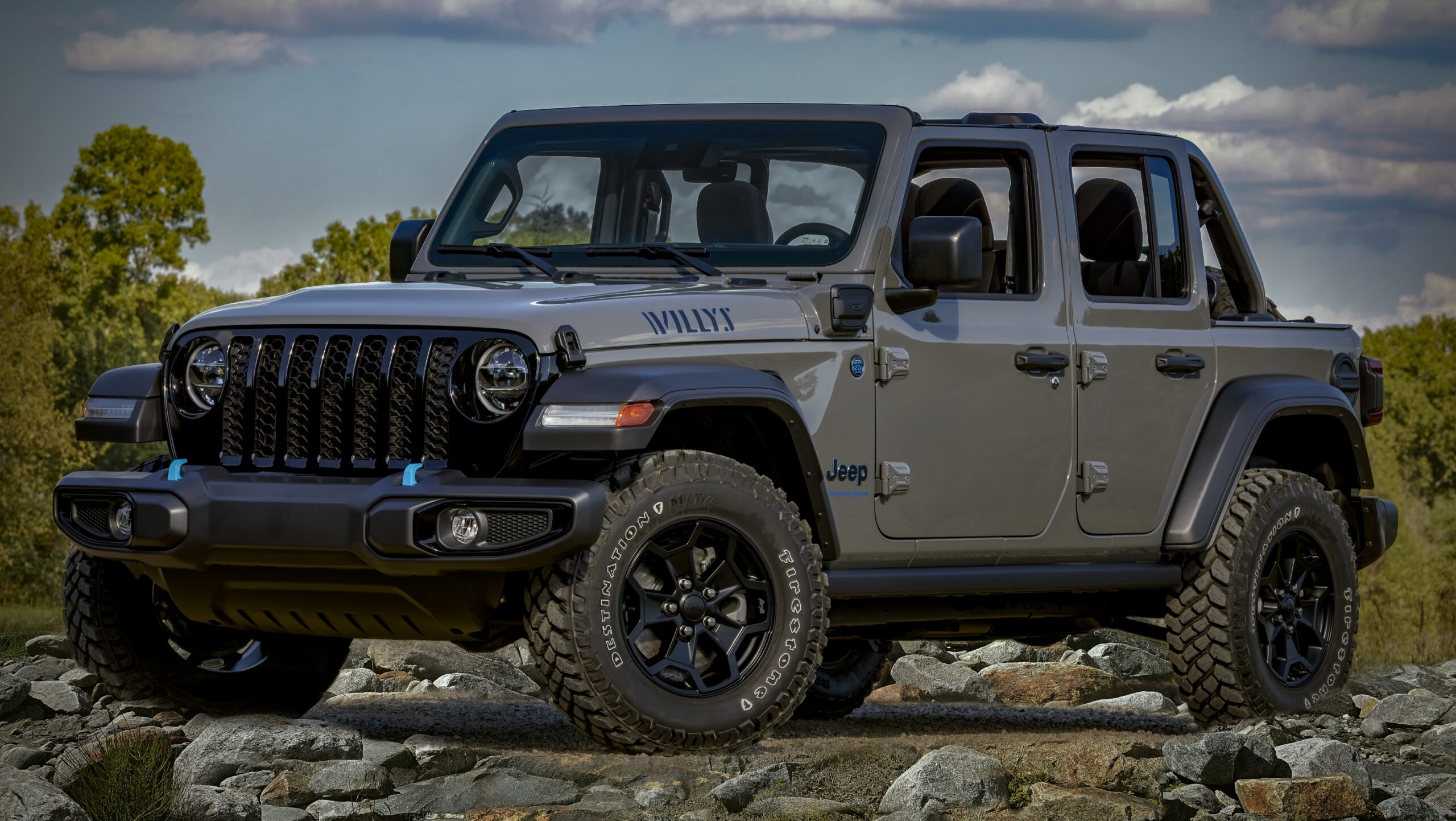

When one mentions the iconic Jeep nameplate, visions of rugged trails and open-air adventures instantly come to mind. The Jeep CJ7, particularly the 1984 model, holds a special place in automotive history, embodying the spirit of freedom and exploration. Understanding the specifications of this revered model, especially its curb weight, unveils not just numbers but the heart and soul of an era defined by off-road enthusiasm.
The 1984 Jeep CJ7 was designed with a robust frame and an adventurous spirit, making it a quintessential choice for off-road enthusiasts. The curb weight of the CJ7, which typically hovers around 3,000 pounds, serves as a crucial specification that illustrates its capabilities on varying terrains. But why does this specific weight become a subject of fascination?
Firstly, the curb weight of a vehicle is a pivotal factor that influences its performance, handling, and fuel efficiency. The CJ7’s weight is substantial enough to provide stability off-road, yet light enough to ensure agility. This balance is significant when navigating rocky or uneven landscapes. Enthusiasts appreciate that a heavier vehicle, while offering a solid connection to the ground, can also pose challenges in maneuverability. Thus, the CJ7 strikes an ideal chord between these contrasting requirements.
Moreover, this weight reflects the rugged construction typical of Jeep vehicles of that era. Built on a sturdy ladder frame with solid axles, the CJ7 was designed for endurance. Every element of its design, including its weight, contributed to its reputation for ruggedness. Jeep enthusiasts often reminisce about how the CJ7 could conquer obstacles that might deter a lesser vehicle, and much of this capability can be traced back to its well-considered weight distribution.
In much of automotive engineering, there exists an inherent push and pull between weight and performance. Lighter vehicles often boast superior acceleration and fuel efficiency, yet they may lack the stability required for off-roading. Conversely, heavier vehicles may provide a more grounded feel and stability but tend to be less fuel-efficient. The Jeep CJ7’s engineers recognized the need to encapsulate this balance, resulting in a vehicle that remains celebrated for its versatility. This duality sparks the interest of collectors and historians alike, who ponder the design philosophies of the 1980s.
As one examines the CJ7’s curb weight in conjunction with its engine specifications, such as the available options of the 4.2-liter inline-six or the 5.0-liter V8, a more vivid picture of performance emerges. The combination of a relatively light body paired with a torquey engine allowed the CJ7 to exhibit a sprightly demeanor, capable of navigating through mud, sand, and steep inclines. This striking attribute fueled a surge in popularity among outdoor enthusiasts seeking reliable transportation for both leisure and work.
Furthermore, the curb weight lends insight into the materials and manufacturing processes of the time. In the 1980s, vehicles were transitioning from predominantly steel bodies to incorporate more lightweight materials, yet the CJ7 remained committed to the robust steel construction that has become synonymous with durability. This choice was emblematic of the Jeep philosophy, emphasizing strength over fragility. Such decisions have ramifications that extend far beyond mere numbers; they craft a narrative of dependability that continues to resonate with Jeep aficionados.
The attraction to the 1984 Jeep CJ7 also extends into the realm of nostalgia. For many, it represents memories of journeys taken, landscapes traversed, and experiences shared. The dynamics of its curb weight contribute to the collective stories of adventure — how one could conquer treacherous paths and watch the sunset from the perch of a venerable piece of machinery. This emotional connection to a vehicle elevates it from simple transportation to a cherished artifact of Americana.
Additionally, the importance of curb weight transcends the vehicle’s practical applications; it encapsulates a broader cultural significance. The Jeep CJ7 emerged in a decade marked by a rise in outdoor recreational activities and an increasing emphasis on vehicle personalization. The relatively manageable curb weight encouraged drivers to modify their vehicles with larger wheels, enhanced suspensions, and custom paint jobs, creating a vibrant community of Jeep enthusiasts who sought to showcase their unique interpretations of off-road capability. This trend of personalization reflected a burgeoning culture that valued individuality and adventure.
In conclusion, the curb weight of the 1984 Jeep CJ7 serves as more than just a bare specification; it teems with significance. The historical context, engineering decisions, and cultural implications all intertwine to create a compelling narrative that continues to intrigue collectors, historians, and outdoor adventurers alike. Whether it’s the allure of personalization, the nostalgia of past adventures, or the sheer engineering prowess that birthed such an iconic model, the CJ7 remains a symbol of the spirit of freedom that defines Jeep culture—something to be cherished, celebrated, and continuously explored.
