
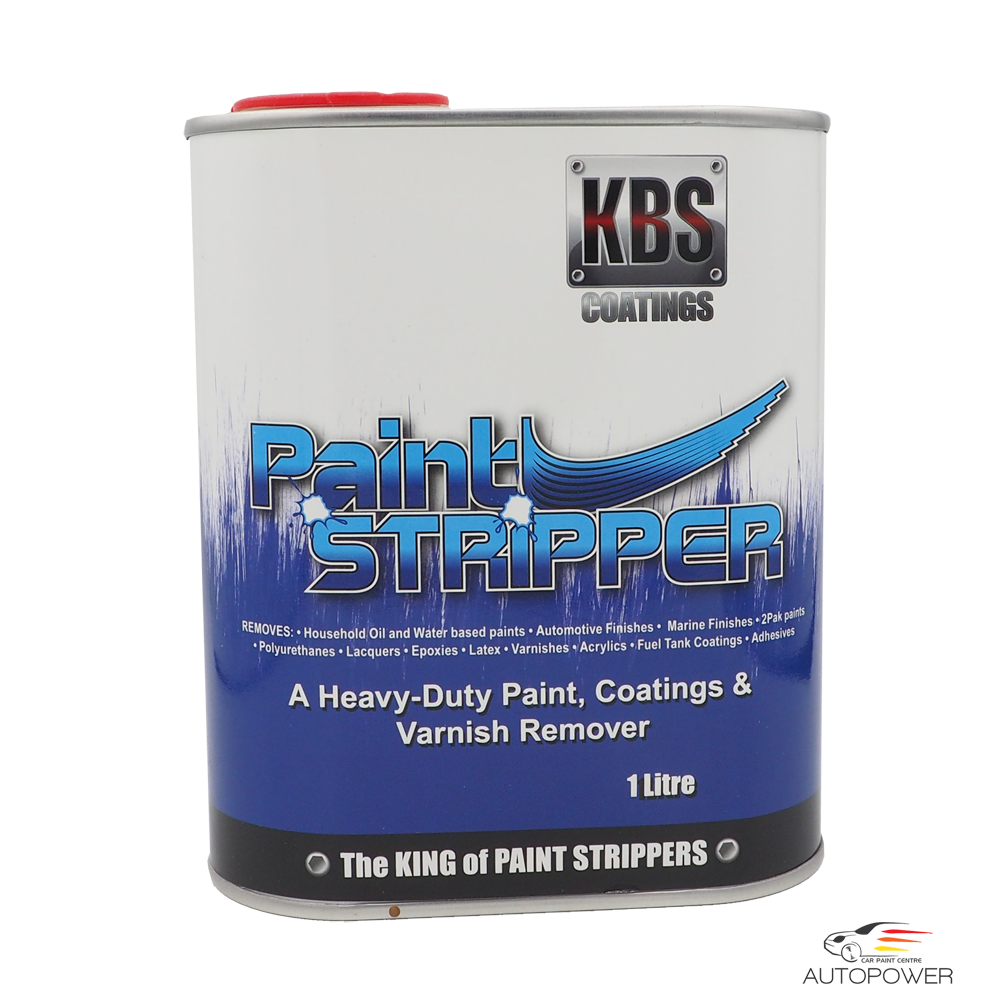

When it comes to restoring a vehicle’s aesthetics, enthusiasts often grapple with the question: Can you use paint stripper on car paint? This inquiry, seemingly straightforward, unveils a labyrinth of considerations ranging from the chemical composition of paint strippers to the intricacies of automotive finishes. Whether you’re a weekend warrior in your garage or a seasoned professional, understanding the dynamics between paint strippers and automotive coatings is essential.
First and foremost, let’s clarify what paint strippers are. These substances are designed to effectively dissolve layers of paint, varnish, and other finishes, allowing for their easy removal. Formulated with strong solvents and sometimes caustic agents, these products are particularly useful in stripping paint from wooden surfaces or metal furnishings. However, when it comes to the delicate landscape of car paint, a more nuanced analysis is necessary.
Automotive paint is a sophisticated concoction. Most modern vehicles are adorned with multi-layer paint systems consisting of a primer, base coat, and clear coat. Each layer plays a vital role in both the aesthetic appeal and protective qualities of the vehicle. Thus, the application of a paint stripper—designed to obliterate paint—can be a double-edged sword.
Using a paint stripper on car paint presents multiple risks. The primary concern is the potential damage to the clear coat. The clear coat, while transparent, acts as a shield against UV rays, weathering, and minor abrasions. Paint strippers may degrade this protective layer, leading to long-term harm that could manifest as discoloration, cloudiness, or even corrosion of the underlying paint. Clearly, the stakes are high.
Additionally, the chemical makeup of paint strippers varies significantly. Methylene chloride-based strippers, for instance, are notorious for their efficacy but also come with a host of safety concerns. They release toxic fumes and require vigilant handling. On the other hand, more eco-friendly alternatives, often derived from natural ingredients, typically lack the punch required to effectively tackle automotive finishes. These differences underscore the need for discernment when selecting a product.
Moreover, the question of compatibility arises. Not all automotive paints respond uniformly to chemical agents. Certain finishes—especially those that are newer or specialty types—may react unpredictably when subjected to paint strippers. There’s a distinct possibility that the product could warp the paint or create unsightly imperfections, effectively negating your restoration efforts.
It’s essential to conduct a patch test before committing to a full application. Apply a small amount of paint stripper in a discreet area of the vehicle. Monitor its reaction for several hours to ascertain if there’s any adverse effect. This step could save you from catastrophic damage—both financially and aesthetically.
For those looking for alternatives to paint strippers, mechanical removal methods can be employed. Sanding, for instance, is a common technique—the aim being to delicately sand away layers of paint without compromising the integrity of the underlying surface. However, this method, too, carries some risks. A heavy hand can easily mar the surface or create uneven textures. The use of rotary tools, while efficient, also requires a deft touch. Understanding the right grit and the technique to employ can make a significant difference.
If your goal is a DIY restoration project, another fascinating option is the use of heat guns. Heat can soften the paint sufficiently to allow for its removal without exposing the substrate to harsh chemicals. This method offers a visual cue; you can see the paint bubbling and reacting under the heat, indicating that it is ready to be scraped away. However, caution is needed to avoid scorching the vehicle’s surface, which can lead to warping or discoloration.
Regardless of the method chosen, the overarching principle remains: patience is paramount. Rushing through the paint removal process is likely to result in mistakes that may require even more extensive repairs down the line. Take your time, follow best practices, and always prioritize safety.
In conclusion, the complication of using paint strippers on car paint revolves around the balance of efficiency and the potential for damage. While these products can serve a crucial role in paint removal, their application in automotive contexts must be approached with vigilance and respect for the vehicle’s components. Ultimately, understanding the science behind car finishes and the properties of paint strippers will guide you toward making an informed decision. Whether you proceed with a chemical approach, mechanical removal, or a combination of both, the goal is to bring your vehicle back to its former glory, without compromising its structural integrity.
In the world of automotive restoration, knowledge is indeed power. Equip yourself with the necessary insights, and you can transform your vehicle into a stunning work of art, all while preserving its essential features and ensuring its longevity. Engage thoughtfully with your restoration, and you’ll find the process not only fulfilling but also a rewarding journey into the realm of craftsmanship.
