
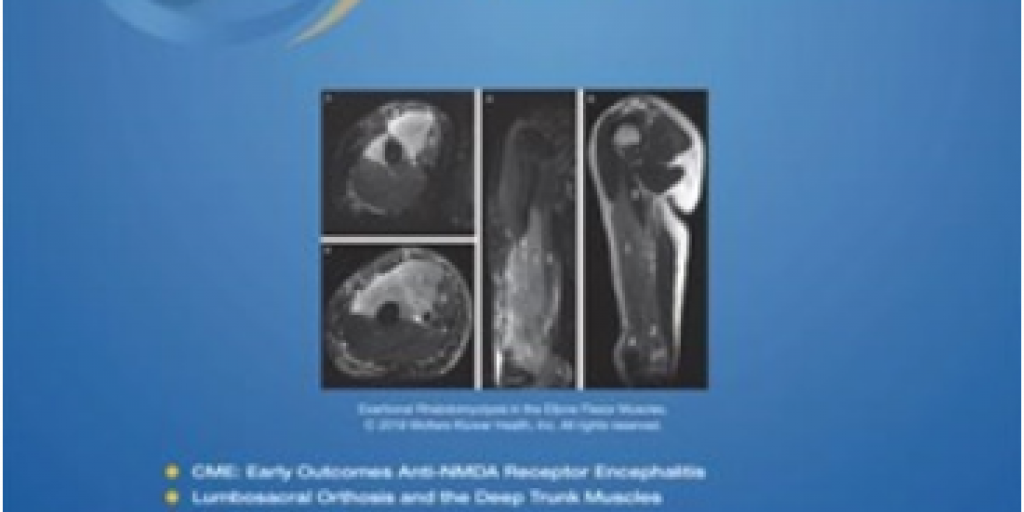

In the vast landscape of medical literature, few publications shine as brightly as the American Journal of Physical Medicine & Rehabilitation. This esteemed journal serves as a compass for practitioners navigating the intricate maze of physical medicine, connecting theory to practice with an elegance reminiscent of a well-choreographed ballet. Each issue is a treasure trove of invaluable insights, encapsulating advancements, clinical findings, and rehabilitative strategies that empower patients and providers alike.
Physical medicine, often likened to a master artisan refining raw materials into functional art, focuses on maximizing human potential in the wake of physical impairments. It encompasses a multidisciplinary approach, weaving together threads from neurology, orthopedics, and even pain management, to foster a holistic recovery process. The American Journal of Physical Medicine & Rehabilitation is a crucial thread in this tapestry, delivering a blend of empirical research, critical reviews, and practical applications.
One of the journal’s most compelling features is its commitment to evidence-based practice. Each published article presents a research question that is not only pristine in its inquiry but also pivotal in understanding the complexities of rehabilitation. Consider the studies that explore innovative therapeutic modalities, such as the efficacy of hydrotherapy in stroke recovery or the utilization of assistive technology for spinal cord injury patients. These contributions are akin to illuminating a previously obscured path, guiding clinicians toward better outcomes with unparalleled clarity.
Moreover, the journal delves into the realm of emerging trends, often serving as a bellwether for shifts within the field. Recent issues have attempted to unravel the phenomenon of chronic pain, illuminating its multifaceted nature—like the many facets of a diamond—each facet offering a distinct perspective and intervention strategy. The articles not only scrutinize the biological underpinnings of pain but also consider the psychological and social dimensions that complicate its management. This thorough exploration empowers clinicians to adopt a more nuanced approach, recognizing that effective rehabilitation extends beyond mere physical recovery.
Additionally, the American Journal of Physical Medicine & Rehabilitation acts as a crucible for emerging voices within the field. Young researchers and seasoned experts alike share their perspectives, enriching the academic discourse. This dynamism is akin to a vibrant marketplace buzzing with ideas, where a robust exchange of knowledge fuels innovation. Recognizing and nurturing new talent is essential, as fresh perspectives can challenge the status quo, propelling the field of rehabilitation into uncharted territories of understanding and practice.
Moreover, the journal frequently includes practitioner-focused sections, offering real-world applications and clinical case studies. These sections act as bridges, connecting theoretical concepts to practical scenarios—making the journal a vital resource for medical professionals working tirelessly to rehabilitate their patients. These case studies often illustrate the artistry involved in crafting individualized rehab programs, tailored to meet the unique needs of each patient. Like a skilled tailor crafting a bespoke garment, physical medicine practitioners must carefully consider the specific attributes and aspirations of their patients to achieve the best outcomes.
The editorial board’s dedication to maintaining rigorous standards of peer review ensures that each article meets the high expectations synonymous with this publication. Each manuscript undergoes scrutiny by experts—a meticulous examination akin to refining raw gold into dazzling jewelry. This process safeguards the integrity of the information disseminated, assuring the readers that the insights gleaned from the journal are not only reliable but also frontier-pushing in their contributions to knowledge.
One cannot overlook the journal’s emphasis on community engagement and advocacy for patient-centered care. Articles addressing health disparities and access to rehabilitation services serve as clarion calls, urging practitioners to advocate for equitable healthcare solutions. These discussions are reminiscent of a steady drumbeat, resonating with a powerful reminder that recovery is not merely an individual journey but a collective endeavor that involves systemic change for marginalized populations. The journal fervently promotes awareness, inspiring practitioners to join forces in dismantling barriers to rehabilitation.
As the field continues to evolve, the American Journal of Physical Medicine & Rehabilitation adapts splendidly, embracing technological advancements that enhance patient care. Virtual rehabilitation therapies, telemedicine, and artificial intelligence are not mere buzzwords but practical tools that have found their way into the rehabilitation lexicon. The journal’s coverage of these topics demonstrates its foresight, ensuring that practitioners are well-versed in novel methodologies that might redefine the rehabilitation landscape entirely.
Ultimately, the American Journal of Physical Medicine & Rehabilitation is more than a repository of knowledge; it is an integral component of the rehabilitation ecosystem. It serves as a lighthouse for practitioners, casting light on the tumultuous seas of complex medical conditions, guiding them towards safe harbor—where clinical excellence and patient empowerment converge. With each issue published, the journal fortifies the foundation of physical medicine, encouraging collaboration, innovation, and above all, a relentless focus on improving the quality of life for those who grapple with physical challenges.
In this unique realm of medicine, where science, empathy, and hope intertwine, the American Journal of Physical Medicine & Rehabilitation stands as a beacon of enlightenment. It not only charts the course for practitioners but also nurtures the spirit of inquiry and compassion that lies at the heart of rehabilitative care. To engage with this journal is to partake in a collective mission—a mission grounded in resilience, dedicated to the art of recovery, and committed to the belief that every individual deserves the chance to reclaim their full potential.
