

When contemplating the purchase of a pickup truck, potential buyers often find themselves prioritizing aesthetic appeal and robustness over the often-overlooked aspect of fuel efficiency. The Ford Ranger stands out in this regard, as it balances formidable performance metrics with an increasingly commendable miles-per-gallon (MPG) rating. This guide aims to elucidate the intricacies of the Ford Ranger’s fuel economy, committing to a more eco-conscious exploration of this versatile vehicle.
The Ford Ranger is not merely a mode of transportation; it embodies a philosophy of adaptability. With a robust engine lineup, typically featuring a turbocharged four-cylinder, the Ranger showcases commendable efficiency without sacrificing power or capability. The journey to understanding its MPG begins with the vehicle’s engineering ingenuity, optimizing both aerodynamics and engine performance.
Understanding the Ranger’s MPG ratings can transform the consumer’s approach to vehicle ownership. The 2023 model, for instance, is notably designed to achieve approximately 21 miles per gallon in the city and an impressive 26 on the highway. This is not merely a statistic; it signifies a broader shift toward sustainable choices in the realm of automotive engineering. As environmental consciousness burgeons, these figures emerge as pivotal indicators for discerning consumers.
It’s imperative to understand the multifaceted components that contribute to achieving optimal fuel efficiency in the Ranger. The engine’s engineering is a cornerstone; Ford has meticulously crafted its EcoBoost technology to deliver not just power but also efficiency. The 2.3-liter turbocharged inline-four engine exemplifies this duality. It provides both the torque needed for hauling and towing while ensuring minimal fuel consumption—an enticing proposition for prospective owners.
In addition to the engine, one cannot overlook the importance of aerodynamics. The Ranger’s design features a sleek profile that reduces drag, further enhancing its MPG. This meticulous attention to design principles is indicative of a broader movement within the automotive industry toward more environmentally responsible practices. Each contour is deliberate; each angle optimized, significantly reducing the vehicle’s carbon footprint on highways and roadways alike.
Moreover, the Ranger’s weight dynamics play a crucial role in fuel economy. Built with high-strength steel and reinforced materials, the truck maintains a nimble profile. Weight reduction directly correlates with increased efficiency, making the Ford Ranger a proactive choice for those who desire functionality in tandem with ecological mindfulness. This thoughtful engineering allows drivers to traverse various terrains without the anxiety typically associated with fuel consumption in larger, more cumbersome vehicles.
While engine performance and design serve as fundamental pillars, it is also vital to acknowledge the role of technology in enhancing fuel economy. The Ford Ranger is invariably equipped with an array of features aimed at maximizing efficiency. The available Terrain Management System allows for adaptive responses to varying driving conditions, helping to optimize engine output and conserve fuel. This tech-forward approach signifies a commitment not just to performance, but to fostering a sustainable driving experience.
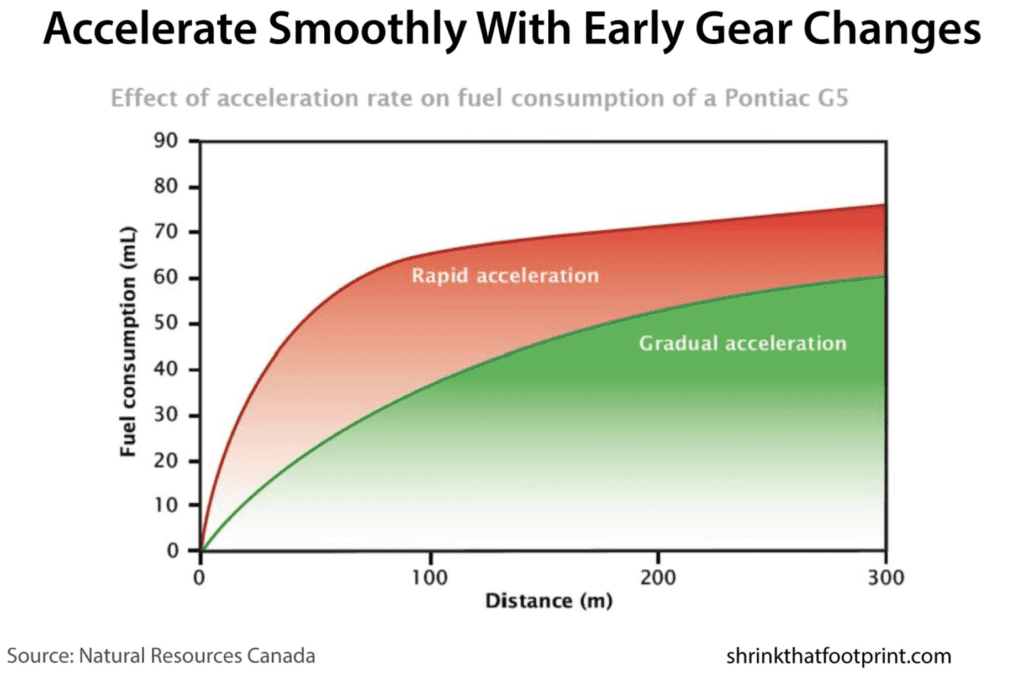
To further augment fuel efficiency, drivers can lean into various driving habits that transcend the vehicle’s features. Eco-driving techniques—such as smooth acceleration and maintaining consistent speeds—can yield noticeable improvements in MPG. Limiting idling time and ensuring regular maintenance are also instrumental in retaining optimal vehicle performance. It is within these practical habits that the intersection between technology and consumer behavior becomes evident, highlighting a collaborative effort toward sustainability.
Interestingly, the evolution of fuel economy standards has compelled manufacturers, including Ford, to innovate continually. As emission regulations tighten and consumers increasingly demand greener options, Ford has responded effectively through enhanced engineering practices that cater to modern expectations. With this adaptive approach, the Ranger becomes more than just a truck; it evolves into a catalyst for change in how consumers view vehicle ownership and environmental impact.
When exploring the “green” credentials of the Ranger, it’s crucial to consider the broader implications of hybrid and electric options. While the Ford Ranger does not currently boast a hybrid version, it exists within a rapidly changing market. Consumer interest in fuel-efficient pickups is progressively guiding manufacturers to envision electric or hybrid variants, marking a future where trucks can uphold utility while minimizing ecological footprints.
In juxtaposition with traditional pickups, the Ranger’s fuel economy yields not just operational cost benefits, but also vital ecological dividends. Responsible ownership extends beyond the initial purchase; it demands a reckoning with the long-term impact on the environment. By opting for a vehicle that prioritizes MPG, consumers are participating in a larger dialogue about sustainability and environmental stewardship. The Ford Ranger, in its efficiency and practicality, invites a conscientious shift in perspective.
Finally, the pursuit of fuel efficiency in the Ford Ranger opens avenues for dialogue surrounding the evolution of transportation. As society grapples with the ramifications of climate change, the responsibility borne by individuals extends into their choices as consumers. The Ranger serves as an exemplar of how a modern pickup can harmonize rugged utility with ecological responsibility, urging a reflection on one’s impact on the planet.
In conclusion, the Ford Ranger’s MPG is not merely a numeric representation of fuel economy; it encapsulates a profound promise—one that envisions a future where personal choices contribute to global sustainability efforts. As the demand for responsible vehicles increases, embracing the Ranger’s capabilities fosters a progressive approach to both driving and environmental consciousness. By prioritizing fuel efficiency, we take a decisive step toward bridging the gap between vehicle ownership and ecological stewardship.
