
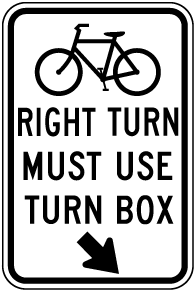

Have you ever found yourself driving down a quiet street, only to be jolted from your thoughts by the sight of a cyclist taking up the entire lane? You might have wondered: “What gives? Why is that cyclist claiming the whole road?” This situation often arises when you encounter the “Bike May Use Full Lane” sign, a curious yet crucial piece of road signage that can perplex motorists and cyclists alike.
Understanding this sign is not merely an exercise in curiosity; it’s vital for fostering harmony on the road and ensuring the safety of both cyclists and drivers. The “Bike May Use Full Lane” sign serves a specific purpose, signaling that cyclists have the legal right to occupy the entire lane. This right is grounded in traffic laws but can sometimes infuriate drivers who are suddenly faced with a slower-moving vehicle. So, what exactly does this sign mean, and why is it significant? Let’s delve into the intricacies.
To fully grasp the nuance of this signage, it’s essential to dissect the reasons behind its existence. Primarily, cyclists use the full lane to enhance their safety. In many scenarios, especially on roads without bike lanes, riding too close to the edge can expose cyclists to a higher risk of accidents. A mere swoosh from a passing vehicle can be catastrophic. Therefore, the “Bike May Use Full Lane” sign is a protective measure, reinforcing that cyclists are justified in claiming their space.
Moreover, it redirects the flow of traffic, making drivers more aware of their surroundings. When you see this sign, it serves as a gentle reminder that the road is shared and that conscientious driving practices should be employed. In turn, drivers are prompted to exercise patience and respect, allowing for a smoother interaction between bikes and vehicles.
However, this presents an interesting challenge: how do we cultivate respect between two distinctly different modes of transport? One solution lies in understanding the incentive behind this rule. Let’s consider the dynamics of sharing the road more intimately. When cyclists occupy the full lane, they not only optimize their safety but also signal to drivers that they are not to be ignored or marginalized. Conversely, drivers must adapt to this reality, acknowledging that roads are not exclusively theirs.
Legal Context and Enforcement
Familiarizing oneself with local traffic laws is imperative. The rights granted by the “Bike May Use Full Lane” sign are not universal and can vary significantly from one jurisdiction to another. In many states, this legality surfaces in laws that allow cyclists to legally ride on the road, rather than on sidewalks, where they are often prohibited. Violating certain laws by failing to yield to a cyclist occupying the lane may result in hefty fines for drivers.
It is also worth mentioning that some localities treat the sign as an indication of bike routes, integrated into a broader network of cycle-friendly paths. Municipalities hoping to promote cycling often use these signs to encourage more cyclists to take to the roads. This demand has dramatically increased in recent years, thanks in large part to the environmental push for greener forms of transportation.
The Psychological Impact
There’s another layer to consider— the psychological aspect of shared roadways. Cyclists enjoying the full lane can feel empowered, realizing that their right to a safe transit is acknowledged. Conversely, it can evoke irritation or impatience among drivers unaccustomed to such practices. Education plays a vital role in tempering frustrations on both sides. Public awareness campaigns can inform drivers about the realities facing cyclists, while cycling groups can encourage respect from their community towards automobiles.
Best Practices for Cooperative Road Sharing
So, what can both cyclists and drivers do to promote safe interactions on the road? Let’s explore some best practices. For cyclists, it’s imperative to follow the rules of the road: signal your intentions clearly, wear helmets, and ensure visibility with bright clothing. For drivers, maintaining a safe following distance, especially when overtaking cyclists, is non-negotiable. Take a moment to evaluate your speed and be patient, ensuring the lane is clear before passing.
Additionally, both parties can benefit from mutual respect. Drivers can pledge to remain mindful of the rights of cyclists, while cyclists can acknowledge the challenges posed by sharing roads with heavy vehicles. The balance between these interactions is indeed intricate, yet attainable through understanding and accountability.
Conclusion
The “Bike May Use Full Lane” sign is far more than just a directive; it embodies the shared responsibility of all road users. By fostering an environment where both cyclists and drivers can coexist harmoniously, we are paving the way for safer streets, enriched by collaboration and respect. Every time you see this sign, think of it as an invitation to engage in thoughtful road-sharing practices. How can you contribute to a safer and more enjoyable experience for both drivers and cyclists? The answer may lie in your own approach to the road.
