
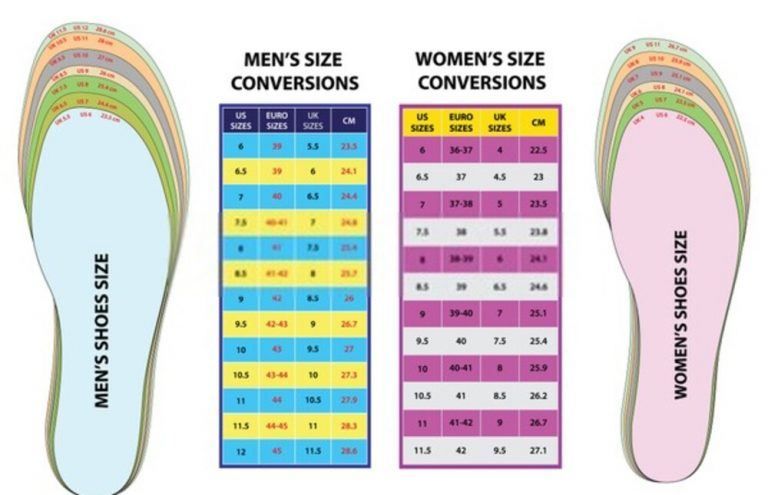

Shoe sizing is an intricate facet of fashion, comfort, and practicality. For men, understanding the average shoe size by height can illuminate not only the relationship between stature and foot size but also guide high-stakes decisions in style and health. As men’s footwear encompasses a broad spectrum, from athletic shoes to formal dress shoes, having a comprehension of these averages can lead to more informed purchasing decisions. This article aims to disentangle the complexities of shoe sizing and present a detailed overview of average male shoe sizes based on height, along with the factors that influence these measurements.
To commence, it is essential to note that the average male shoe size tends to vary significantly across different populations and regions. In the United States, the general consensus places the average male shoe size between 9 to 12. However, this metric spans a broad range depending upon various parameters, with height being a pivotal one. Typically, taller individuals often wear larger shoes. For instance, men who stand at 6 feet or taller might commonly find themselves in the size range of 11 to 13, while those at or below 5 feet 7 inches may gravitate towards sizes 8 to 10.
When evaluating the average shoe sizes correlated with height, it is pivotal to consider that we are not merely talking about numbers; these figures reflect a broader narrative about the body’s proportions. Various studies indicate a correlation between height and foot size due to genetic factors. Larger frames often necessitate larger feet for support and balance. This is particularly evident when examining athletes or individuals engaged in physical labor; larger feet provide enhanced stability and an effective distribution of weight.
Conversely, smaller heights may correspond to sizes on the lower end of the spectrum. For example, a man who is 5 feet 5 inches tall may reasonably wear shoes sized between 7 and 9. However, personal comfort, specific footwear style, and brand disparities significantly affect these averages. Footwear brands have different sizing systems, which can create confusion for consumers. Thus, it is crucial for buyers to reference size charts specific to each brand to find the best fit.
Consider the implications of such averages in everyday life. The right shoe size not only enhances comfort but also prevents potential health issues. Wearing shoes that do not fit properly can lead to a litany of problems, including blisters, callouses, and plantar fasciitis. Consequently, understanding one’s average shoe size based on height serves as a critical compass in navigating the shoe-buying landscape.
Further contributing to this discussion is the evolution of shoe design and the incorporation of advanced technology in footwear manufacturing. Contemporary shoes frequently feature ergonomic designs, cushioning, and adaptive materials that cater to the specific needs of the foot. As a result, it is not uncommon for men holding the same height to possess different shoe sizes due to variations in foot shape and width. Therefore, height may only serve as a partial guide in determining the appropriate shoe size.
Let’s delve deeper into the shoe size spectrum based on average height. In men who are 6 feet tall, it is typical to find an average shoe size of approximately 11.5. As we transition down the height scale, men who are 5 feet 8 inches average a shoe size of 10, while those at 5 feet 6 inches generally wear around size 9.5. These distinctions subtly reveal a pattern that could further influence clothing choices and fashion trends. Tall individuals often gravitate toward bold and larger designs, which are more aesthetically suited to their frame, whereas shorter men may choose more streamlined styles that complement their stature.
A noteworthy aspect of shoe sizing includes variation based on lifestyle. Athletes, for instance, often need specialized footwear designed for specific sports, which affects sizing. Runners may select their size based on the need for additional room in the toe box, while basketball players may prefer a snug fit for better ankle support. Thus, lifestyle and function are intricately tied to shoe sizing, compelling consumers to consider the purpose behind their footwear choices.
As we assess the metrics further, one might ponder how societal perceptions of shoe size impact men’s self-image. In many cultures, larger shoe sizes are sometimes erroneously linked to masculinity or prowess. This subjective interpretation can lead to undue pressure, prompting men to purchase shoes out of sync with their true size. Instead of allowing societal definitions to dictate choices, it is prudent for men to prioritize comfort and fit over perceptions.
To summarize, an in-depth understanding of the average male shoe size by height offers a unique lens through which to view personal style, health, and overall well-being. While height undeniably plays a crucial role in determining shoe size, other factors, including width, foot shape, and lifestyle requirements significantly influence the selection process. Always prioritize a proper fit, and remember that the right size can lead to enhanced comfort and greater confidence. In a world where footwear can be both a functional necessity and a fashion statement, making informed choices ensures that each step taken is both stylish and supportive.
