
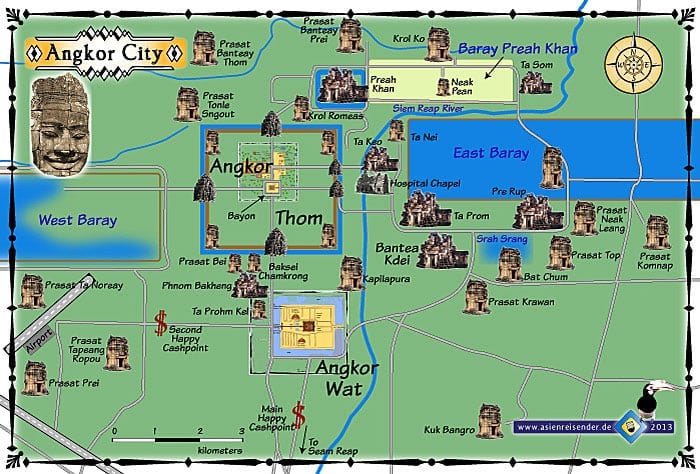

Siem Reap, a vibrant city in northwestern Cambodia, is not merely a gateway to the world-famous Angkor Wat; it is a captivating destination brimming with cultural richness, artistry, and history. This ancient city serves as a base for those exploring one of the world’s most significant archaeological sites, encompassing an extensive range of temples that evoke a sense of wonder. To truly unravel the essence of Siem Reap and the awe-inspiring wonder that is Angkor Wat, a comprehensive map guide is indispensable, connecting visitors to the storied trails and the delightful tuktuk rides that abound in the region.
From the moment you step foot in Siem Reap, the buzz of energy is palpable. The lively streets are adorned with charming cafes, bustling markets, and local eateries serving delectable Khmer cuisine. Visitors often revel in the ease of navigating this dynamic city, thanks to its compact layout. A quick glance at a map reveals a tapestry of attractions, with each temple telling a unique narrative about the Khmer civilization.
As one embarks on the temple trail, Angkor Wat inevitably takes center stage. Constructed in the early 12th century during the reign of King Suryavarman II, it is the largest religious monument in the world. The intricate bas-reliefs narrate tales of Hindu mythology and Khmer history, captivating the minds of countless visitors. But what is it that draws so many to this magnificent site? Beyond its grandeur, Angkor Wat embodies the triumphs and tribulations of a once-mighty empire. It is a canvas of human aspiration, a testament to ingenuity and devotion.
However, the allure of Angkor Wat does not diminish the numerous other temples that dot the landscape surrounding Siem Reap. The temple complex is larger than most might anticipate, stretching across more than 162.6 square kilometers. Within this vast territory lies a trove of architectural marvels, each beckoning exploration. Ta Prohm, entwined with massive tree roots, evokes a whimsical sense of nature reclaiming its territory. This temple, once a Buddhist monastery, now casts an enchanting spell over visitors, particularly due to its portrayal in the film “Lara Croft: Tomb Raider.”
In addition to Ta Prohm, Bayon Temple, known for its iconic smiling faces, presents a mesmerizing juxtaposition of spirituality and artistry. Constructed during the reign of King Jayavarman VII, its enigmatic visage is steeped in ambiguity, leaving many to ponder the identity of the figures carved into the ancient stone. The sensations of wonder and contemplation fill the air, as the whispers of history swirl around the towering sanctuaries.
To experience all these captivating sites, navigating the temple trail is essential. A meticulously planned map is invaluable in this context, as it can help you chart an efficient course through the dramatic ruins. Perhaps the most delightful method of exploring the temples is by hopping onto a tuktuk. These open-air vehicles offer a unique perspective, allowing you to feel the pulse of the city and the surrounding landscapes. With the iconic sound of the engine buzzing, the gentle breeze caresses your skin as you transition from one magnificent structure to another.
As you ride through the outdoor landscapes, the parade of lush greenery and rice paddies creates a picturesque backdrop, emblematic of Cambodia’s rural charm. The advantage of utilizing a tuktuk is not merely in its convenience but also its ability to foster interactions with local drivers, who often possess an intimate knowledge of the area. Many tuktuk drivers double as guides, sharing stories and insights about the temples that enliven your experience. Each anecdote enriches your understanding and connection to these enduring monuments.
For those seeking a locally immersive experience, consider timing your visits to coincide with the sunrise or sunset. Witnessing the golden hues adorn the temples of Angkor Wat can be an ethereal experience, one that ignites overarching themes of beauty and transience. The fleeting nature of these moments serves to heighten the sense of reverence for the masterful craftsmanship afforded to these structures.
While the cultural and historical significance of the temples in the Angkor region is undeniable, Siem Reap itself deserves attention. The night markets, alive with the sounds of laughter and bargaining, provide a juxtaposition to the solemnity of the ancient stones. Shimmering souvenirs, colorful textiles, and exquisite artisan crafts beckon, allowing one to delve further into Cambodian culture. Savoring traditional dishes such as amok or nom banh chok enhances the experience, tantalizing the taste buds and etching unforgettable flavors in memory.
The map of Siem Reap and Angkor Wat is more than a mere guide; it is an invitation to embark on a odyssey through time. Each location holds secrets waiting to be unveiled, threads connecting the past with the present. The enchanting allure of Siem Reap and its ancient temples is not merely based on their aesthetic appeal but is rooted in the deeply interwoven narratives that they convey. Whether it’s the exploration of divine architecture or the communion with local traditions, the journey through this iconic landscape is filled with opportunities for discovery.
Visiting Siem Reap and Angkor Wat becomes more than just a trip; it transforms into an exploration of the human spirit—a quest to glean insights from the past, to understand the resilience of a culture, and to appreciate the beauty of a land steeped in history. With a well-curated map in hand and a tuktuk to carry you through its storied sites, the marvels of Siem Reap await, ready to unfold a chapter of wonder and reverence in your travels.
