

Squeaky brakes can be annoying, especially when they vocalize their grievances while you’re simply trying to back up your vehicle. The question arises: why do brakes emit that pesky squeak when reversing? This article delves into the intricacies of braking systems and the myriad reasons your brakes might be trying to get your attention.
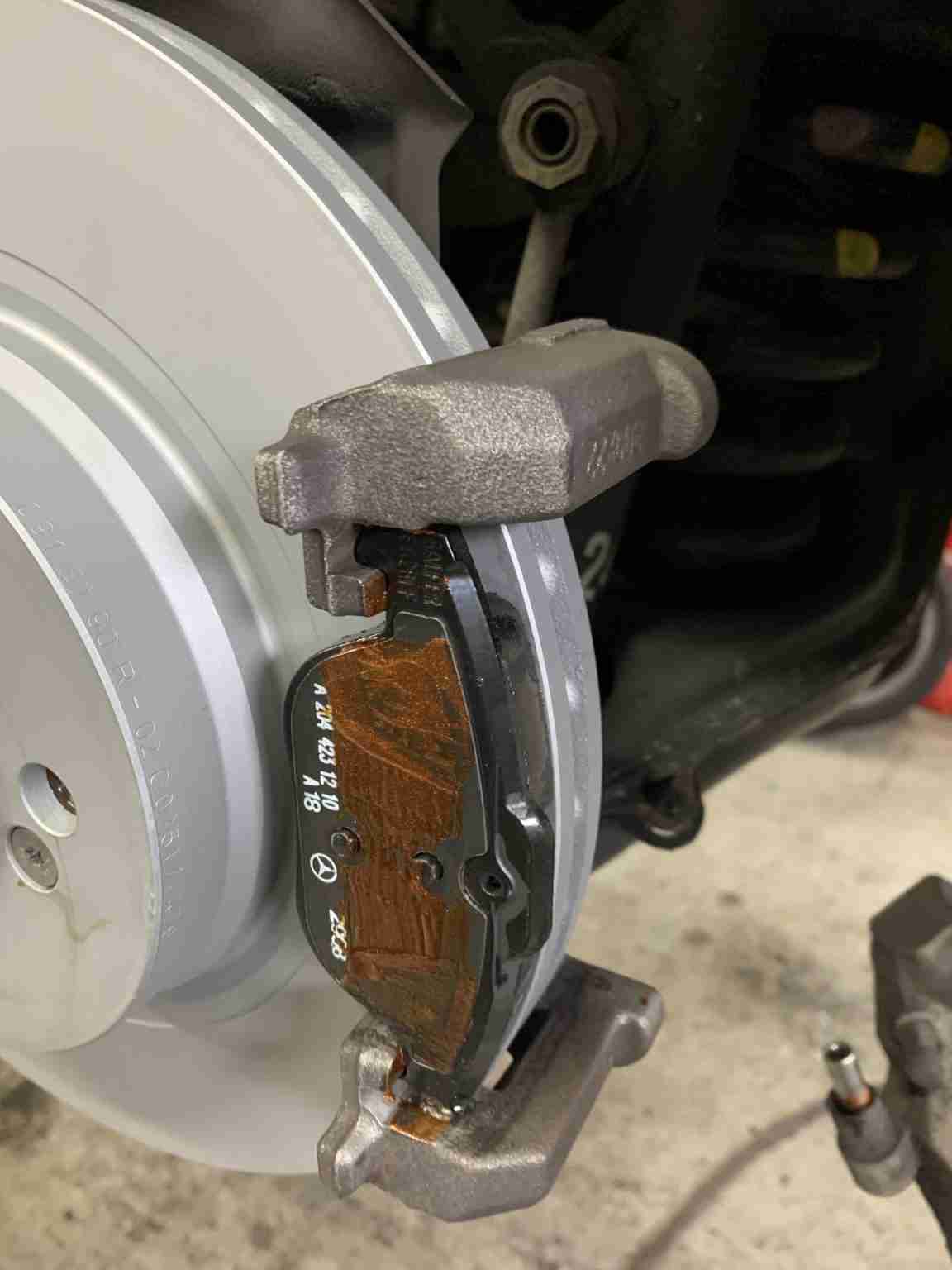
First, it’s essential to understand the basic components of a braking system. Most vehicles are equipped with disc brakes, which consist of a rotor, caliper, and brake pads. When you apply the brakes, the caliper squeezes the brake pads against the rotor, creating friction that slows the vehicle. However, an improper interaction among these components can lead to those ear-piercing sounds.
Let’s explore some potential culprits behind the squeaking noise that often rears its head when you back up:
1. Dust and Debris
The aerospace of brake systems is subjected to a variety of particles, including dust, dirt, and debris. When you’re driving forward, these particles can settle into the crevices between the brake components. However, when you shift into reverse, the brake pads may not engage properly or may encounter a greater amount of debris, causing that irritating squeaking sound. Routinely cleaning your brake components can help mitigate this issue.
2. Worn Brake Pads
Brake pads have a defined lifespan, typically ranging from 30,000 to 70,000 miles, depending on driving style and conditions. When they wear down, the material that’s supposed to create friction against the rotor diminishes. This diminutive material may result in a metallic indicator, designed to emit a warning noise when replacement is needed. If your brakes are squeaking solely while reversing, it is advisable to inspect the pads for wear or damage.
3. Moisture and Rust
Environmental conditions play a significant role in the performance of your brake system. If your vehicle has been exposed to moisture—be it rain, snow, or even high humidity—corrosion can occur. Rust can develop on the rotor’s surface, leading to uneven contact between the rotor and brake pads. The act of reversing can place different pressures on the components, leading to a sound that can best be described as a squeak. Regular brake maintenance can help combat this issue and enhance the longevity of your components.
4. Glazed Brake Pads
Under extreme braking conditions, such as hard stops or riding the brakes downhill, brake pads can become glazed. This phenomenon occurs when the pads heat up and harden due to excessive friction, resulting in a smooth, shiny surface that is less effective. If the brake pads are glazed, the sound might be more pronounced when backing up, as the uneven surface fails to grip the rotor properly. Replacing glazed brake pads can restore functionality and silence the squeaks.
5. Insufficient Lubrication
Another commonly overlooked aspect of brake maintenance is lubrication. The brake system contains multiple components that require proper lubrication to operate smoothly. If the caliper slides or brake hardware lacks lubrication, the pads may not fit snugly against the rotor when reversing, which can generate noise. Applying the correct type of grease to the appropriate areas can alleviate these concerns and ensure smoother operation.
6. Faulty or Misaligned Components
Brake systems require precise alignment to function properly. If any part of the system is misaligned—whether it’s due to wear, damage, or improper installation—it can create a slew of issues, including noise. When you back up, these misaligned components may rub against one another or experience abnormal stress, leading to the infamous squeak. A professional inspection is warranted to rectify this misalignment and restore your vehicle’s braking integrity.
7. Free Play in Brake Components
Each part of the brake system is designed with specific tolerances. Over time, wear and tear can lead to increased free play in components such as the caliper or brake pads. This play allows components to shift while braking, particularly in reverse, resulting in a squeaking noise. Ensuring that all connections are tight and properly installed is critical to reducing this issue.
Conclusion
The presence of squeaky brakes can range from a minor inconvenience to a pressing safety concern. Understanding why your brakes squeak when backing up helps demystify the issue and emphasizes the importance of regular maintenance. Whether it’s a matter of dust accumulation, worn pads, or alignment problems, prompt attention to these concerns can enhance not only your driving experience but also your vehicle’s overall safety. If you encounter persistent noise despite troubleshooting, it’s advisable to consult a certified mechanic who can conduct a thorough examination of your braking system. Your vehicle’s brakes are a critical safety component—don’t let those squeaks go unchecked!
