

Sturbridge, Massachusetts, is a quaint town that beckons travelers not just with its picturesque landscapes, but also with an enchanting narrative steeped in historical significance. Nestled in the heart of New England, Sturbridge offers a palpable sense of nostalgia, a rare opportunity to immerse oneself in the bygone era of early American life. Visitors often find themselves entranced by the charm of its historical sites and the warmth of its community, but there are more subtle reasons behind this fascination that merit exploration.
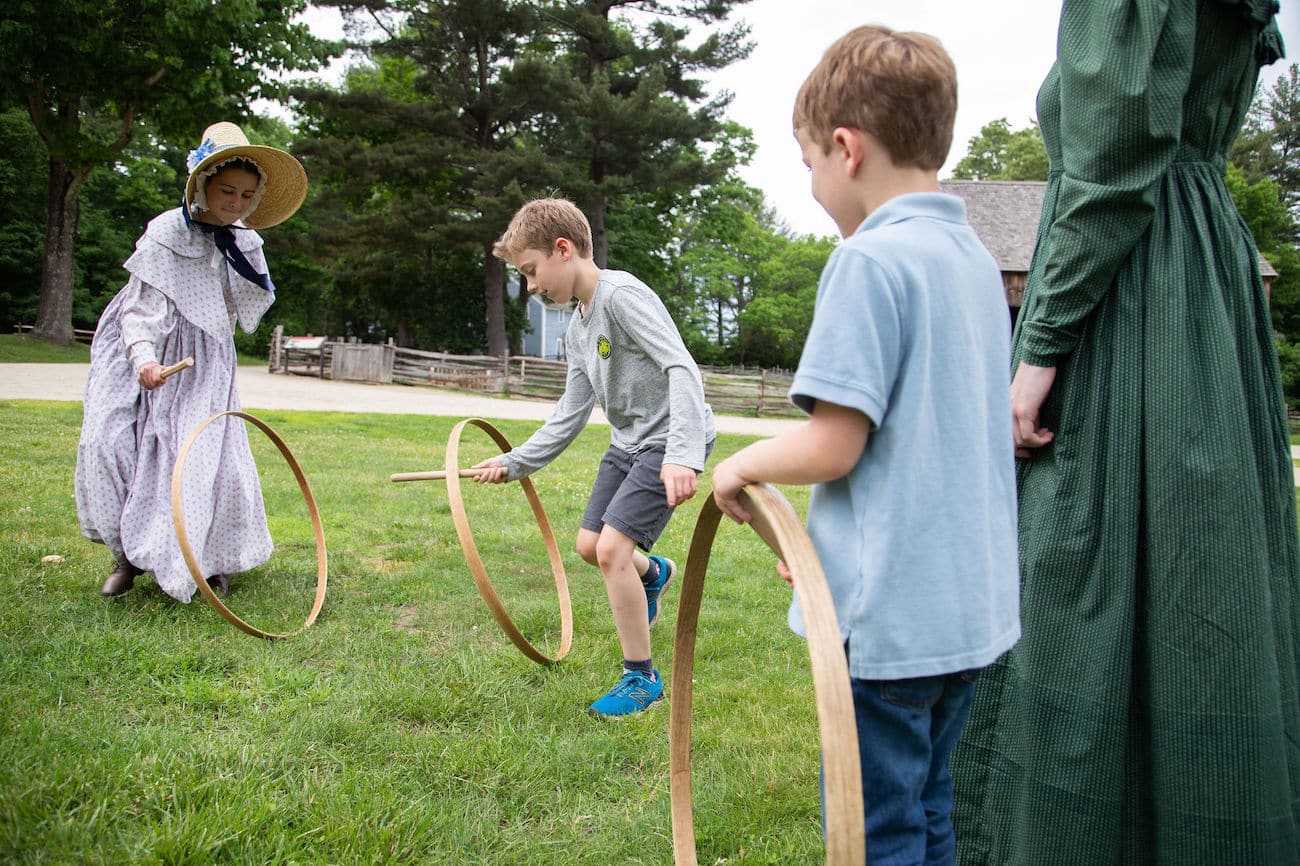
One of the town’s most prominent attractions is Old Sturbridge Village, a living museum that transports visitors to the 1830s. It serves not only as an educational experience, but also as a poignant reminder of the America that was, and the values that have been shaped over the centuries. The immersive experience allows individuals to witness and participate in early American farming, crafting, and domestic activities, all while engaging with interpreters in period attire. This type of hands-on interaction fosters an appreciation for the labor and ingenuity of past generations. Visitors can almost hear the echo of horse-drawn wagons and the melodies of folk songs sung around fire pits. Herein lies a crucial observation: it is the intimacy of the experience that captivates many, as it evokes a sense of belonging to a larger historical tapestry.
Moreover, as one strolls down the meticulously preserved streets peppered with genuine artifacts from yesteryears, a deeper understanding of the struggles and triumphs of early settlers emerges. The ambiance conjures questions about continuity and change. How did these early inhabitants navigate the vicissitudes of life? What environmental challenges did they face that parallel our contemporary climate crisis? This resonance creates an intriguing juxtaposition. The struggles of those who lived in harmony with nature serve as a stark reminder of the environmental responsibilities faced today.
The natural scenery of Sturbridge further accentuates its historical allure. Encompassing undulating hills, vast wetlands, and sparkling waterways, the town is imbued with ethereal beauty. Visitors often remark on the tranquility they feel while exploring the shores of Cedar Lake or hiking along the picturesque trails of the surrounding woods. Such interactions with nature spur contemplation about the legacy we inherit and the stewardship required to protect our planet. The environment here is not merely a backdrop; it is an integral character in the historical narrative, reflecting the convergence of human lives and nature.
The local artisans and small businesses that thrive in Sturbridge add another layer to its charm. Handcrafted goods, artisanal foods, and local produce not only pay homage to traditional practices but also promote sustainable consumption. These businesses exemplify the principle of localism, serving as a robust counter-narrative to mass production. It inspires conscious choices, urging modern consumers to consider the environmental implications of their purchasing habits. Visitors often find that every locally crafted item carries with it a story—an intrinsic value that transcends mere materiality. This tactile connectivity to the area enhances one’s appreciation for the craft of living itself.
In addition to its enchanting history and vibrant local culture, Sturbridge holds a strategic position at the intersection of environmental consciousness and historical preservation. As contemporary societies grapple with the urgent realities of climate change, the town acts as a microcosm of these tensions. On one hand, Sturbridge embodies a nostalgic yearning for a simpler past; on the other, it stands as a beacon of hope for sustainable practices that honor both heritage and the planet. This duality is crucial to understanding why so many are drawn to the town. It allows for personal reflection on one’s role within the broader framework of history and ecology.
Indeed, Sturbridge’s role as a repository of New England’s heritage is fortified by its active engagement with environmental issues. Local initiatives aimed at conservation mirror the industrious spirit of the town’s early inhabitants. The dedication to preserving both historical landmarks and the surrounding natural environment fosters a sense of collective responsibility among residents and visitors alike. Engaging with these themes encourages a radical rethinking of what it means to live sustainably in today’s world.
As one contemplates a visit to Sturbridge, whether to indulge in the quaint charm of its filled-to-brim shops or to delve deeper into its historical offerings, it is essential to recognize the importance of such journeys. They serve not only as recreational opportunities but also as avenues for deeper understanding and connection. The tales that unfurl in Sturbridge are not simply relics of the past; they resonate with urgent contemporary issues, speaking to our shared humanity and ecological interconnectedness. History informs the present and offers invaluable lessons for shaping a more sustainable future.
In conclusion, Sturbridge, Massachusetts, is emblematic of New England’s storied past while simultaneously advocating for a responsible future. The town’s historical sites, the enchanting natural landscapes, and the artisanal economy coalesce to provide a unique experience that invites reflection. This reflection often reveals a nuanced inquiry into resounding themes of sustainability, community, and legacy, crafting a profound connection between visitors and the vital narratives of their environment. A visit to this idyllic locale offers more than just an escape; it is a step back in time that illuminates the path forward.
