
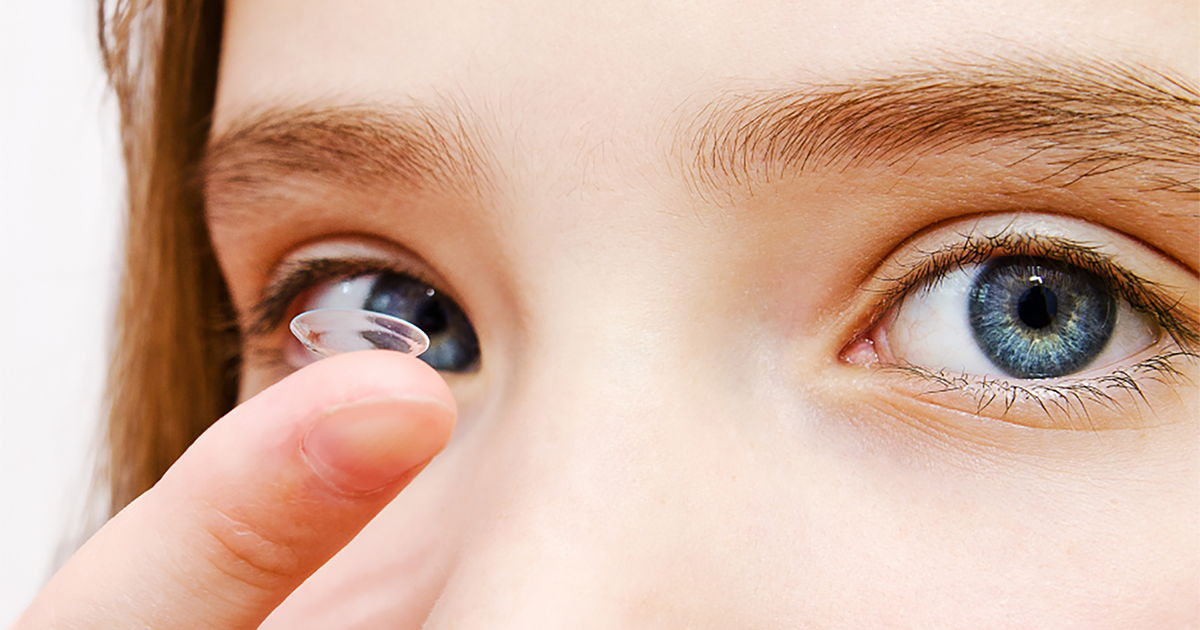

In today’s digital age, it’s quite common for teenagers to spend countless hours glued to their screens, watching videos, playing games, or scrolling through social media. With all that screen time, many young people are experiencing vision changes, leading to the question: are contact lenses a safe option for 16-year-olds? This dilemma presents both an opportunity for improved vision and a few challenges worth discussing.
Let’s start with the practical aspects of contact lens use for adolescents. At the age of 16, teens are often on the cusp of greater independence. They may be beginning to drive or heading off to social activities that demand a clear visual experience without the hindrance of bulky glasses. Contact lenses offer a convenient alternative, allowing for unobstructed peripheral vision and the freedom to engage in various sports and outdoor activities.
But, how safe are these lenses for teenagers? Like most things in life, the answer is not a simple yes or no. Contact lenses are generally safe, provided that proper hygiene and care protocols are followed. It’s essential for users to maintain good hygiene, such as washing hands before handling lenses and using the appropriate solutions for cleaning and storing them. However, teenagers are often notorious for their less-than-stellar hygiene habits. This becomes the crux of our dilemma: can a youth exercise the requisite care to keep their contact lenses safe?
One significant factor to consider is the maturity level of the individual. Responsible lens wearers must understand the importance of adhering to a prescribed wear schedule and recognizing when to replace their lenses. If a teen is known for being forgetful or careless, then the investment in contact lenses raises valid concerns. For instance, wearing lenses longer than recommended can lead to serious eye infections or corneal distress. The statistics are alarming; studies estimate that improper care contributes to a substantial percentage of complications among lens users.
This leads to another imperative point: education. Even before diving into the practical application of wearing contact lenses, teens should have a comprehensive understanding of eye health. Optometrists play a vital role in this process, conducting thorough exams and explaining safe practices. During these consultations, both the adolescent and their guardians can address essential questions about the best type of lenses to choose, whether daily disposables or longer-wear options are more suitable, and how to handle any discomfort that may arise.
In addition, let’s not overlook the importance of fitting. Ill-fitted contact lenses can generate discomfort and even exacerbate vision problems. An optometric professional ensures that lenses fit correctly, thereby enhancing comfort and preventing ocular complications. This fitting process is an excellent opportunity for parents to engage with their child, facilitating open dialogues about eye care and personal responsibility.
Now, imagine a scenario. Your teenager, excited about their newfound freedom with contact lenses, begins using them. They’ve been educated about care but occasionally forget to adhere to the guidelines. One day, they notice their vision feels off, and their eyes are red and irritated. Perhaps they’ve inadvertently skipped nightly cleaning or worn their lenses too long. This scenario illustrates the essential balance between enthusiasm and caution in the lens-wearing experience.
Furthermore, one of the common misconceptions about contact lenses is that they are solely for vision correction. However, there are cosmetic lenses too, which allow for a change in eye color. While these may seem harmless or even fun, they also come with significant risks, especially if the wearer does not approach their use with knowledge and caution. Young people may be tempted to purchase non-prescription lenses from dubious sources, which can be detrimental to their ocular health.
As parents, guardians, and mentors, it’s crucial to foster a culture of diligence when it comes to eye care. Having conversations about the importance of eye health and implementing regular eye exams can cultivate a sense of responsibility among teens. Additionally, sharing experiences from other families, which highlight both the benefits and challenges of using contact lenses, can bridge the knowledge gap.
Ultimately, the decision to allow a 16-year-old to wear contact lenses involves weighing various factors, including their maturity, responsibility, and understanding of the necessary maintenance routine. If they exhibit the requisite maturity and are motivated to follow eye care practices diligently, contact lenses can indeed be a safe and beneficial option.
In conclusion, the prospect of teens wearing contact lenses can be exciting. They can offer convenience, improved vision, and an opportunity for self-expression. Nevertheless, it’s essential to approach this decision thoughtfully, addressing potential challenges and emphasizing the importance of eye care. After all, the goal is to ensure that your teen’s vision remains crystal clear for years to come while nurturing a sense of responsibility that extends far beyond eyewear.
