
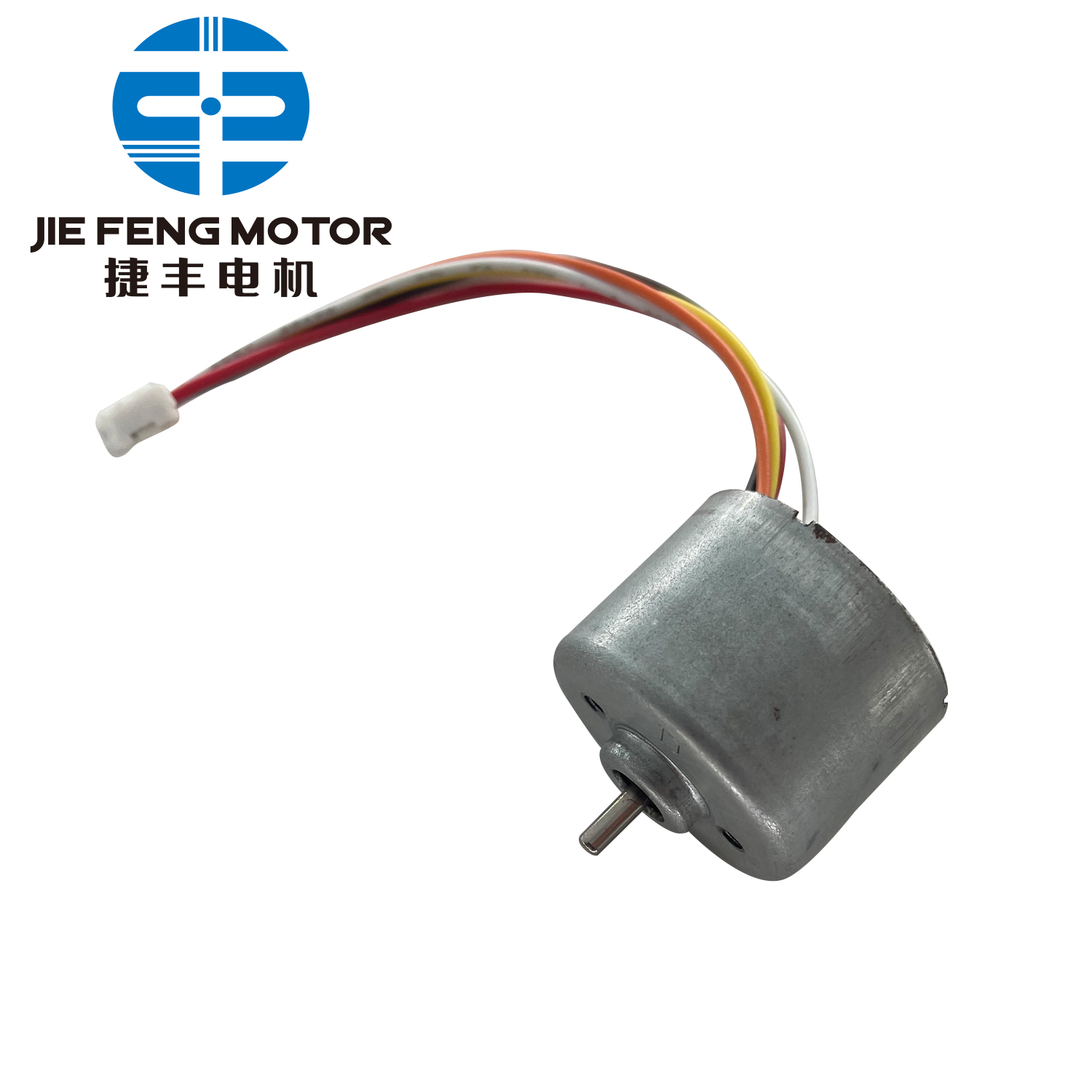

When we think about electric vehicles, Tesla often stands out like a lighthouse amidst foggy waters. The brand is synonymous with innovation, pushing boundaries that have traditionally defined the automotive industry. One question that frequently arises in discussions about Tesla’s engineering choices is: why does Tesla not employ brushless motors in their electric vehicles?
To explore this, we first need to understand the mechanics of brushless versus brushed motors. Picture brushless motors as the sleek, modern sports cars of the electrical world—they’re efficient, powerful, and represent advanced engineering. In contrast, brushed motors might remind you of classic cars, charming in their vintage splendor yet encumbered by limitations. While brushless motors are known for their efficiency and longevity, Tesla has opted for an intriguing alternative: the induction motor.
Imagine a symphony orchestra, each instrument playing its unique role to create a harmonious melody. In this metaphor, the induction motor plays the role of the versatile conductor, coordinating various elements with finesse. Citing efficiency, durability, and performance flexibility, Tesla’s choice of induction motors harmonizes beautifully with their philosophy of sustainable and high-performance driving.
The induction motor operates on principles that have been around since the dawn of electrical engineering. Unlike brushless motors, which require a permanent magnet, induction motors utilize electromagnetic induction. This method allows them to generate a rotating magnetic field that induces rotational motion in the rotor. In simpler terms, the motor becomes a delicate dance of magnetism, steadily propelling the vehicle forward without the need for physical brushes that can wear out over time.
One of the standout features of Tesla’s induction motors is their ability to deliver power effectively across a broad range of speeds. When you accelerate in a Tesla, it’s as though you’re unleashing a tidal wave of energy—immediate and relentless. This attribute is particularly beneficial for performance enthusiasts who crave that exhilarating surge at the press of the pedal. In contrast, brushless motors tend to shine in specific operational windows, often lacking the same level of responsiveness in varied conditions.
Let’s delve deeper into the realm of energy efficiency. While brushless motors boast impressive efficiency ratings, Tesla’s induction motors have been engineered to maximize range. By employing a sophisticated cooling system and optimized control algorithms, Tesla ensures that each drop of energy extracted from the battery is utilized to its fullest potential. This translates into more miles per charge—a critical advantage for those on long journeys or in urban settings where charging stations may be scarce.
Furthermore, Tesla’s penchant for integrating advanced software into their vehicles cannot be understated. The company continuously leverages over-the-air updates to refine the performance of their induction motors, allowing for adaptations to be made in real-time based on user feedback and driving conditions. It’s akin to a digital maestro tuning an orchestra for optimal performance, creating a symphonic synergy between hardware and software to enhance the driving experience.
Economic considerations also play a pivotal role in Tesla’s choice. Manufacturing brushless motors often entails higher production costs due to the use of rare earth materials for the magnets. On the other hand, induction motors can be produced at a lower cost while still providing effective performance. Additionally, the simplicity of the design, without the need for magnets, allows for easier production and assembly processes. Just as a streamlined assembly line leads to efficiency in manufacturing, the induction motors’ construction has allowed Tesla to maintain a sustainable financial edge.
As we peel back the layers, we begin to uncover the overarching philosophy behind Tesla’s engineering: innovation rooted in practicality. While the allure of brushless motors is undeniable, the decision to utilize induction motors reflects a marriage of performance, efficiency, and cost-effectiveness. Ultimately, it’s about striking the right balance—ensuring each Tesla vehicle serves its purpose without compromising the core values of sustainability or driver experience.
In the ecosystem of electric vehicles, Tesla’s choice to utilize induction motors positions the brand as a time-honored lighthouse, lighting the way for future innovations. The decision encapsulates a blend of artistic engineering and pragmatic reasoning. It’s a reminder that sometimes, the classic approach can yield not only results but a distinctive identity in a rapidly evolving industry.
In conclusion, Tesla not only carves its niche by employing unique engineering choices but also creates a compelling narrative in the electric vehicle arena. The omission of brushless motors from their repertoire does not denote a lack of progress but rather illustrates a broader strategy that harmonizes efficiency, performance, and sustainability. As we navigate through this new electric age, the Tesla induction motor represents more than just a technical component; it embodies a forward-thinking paradigm that others in the industry shall aspire to mimic.
