
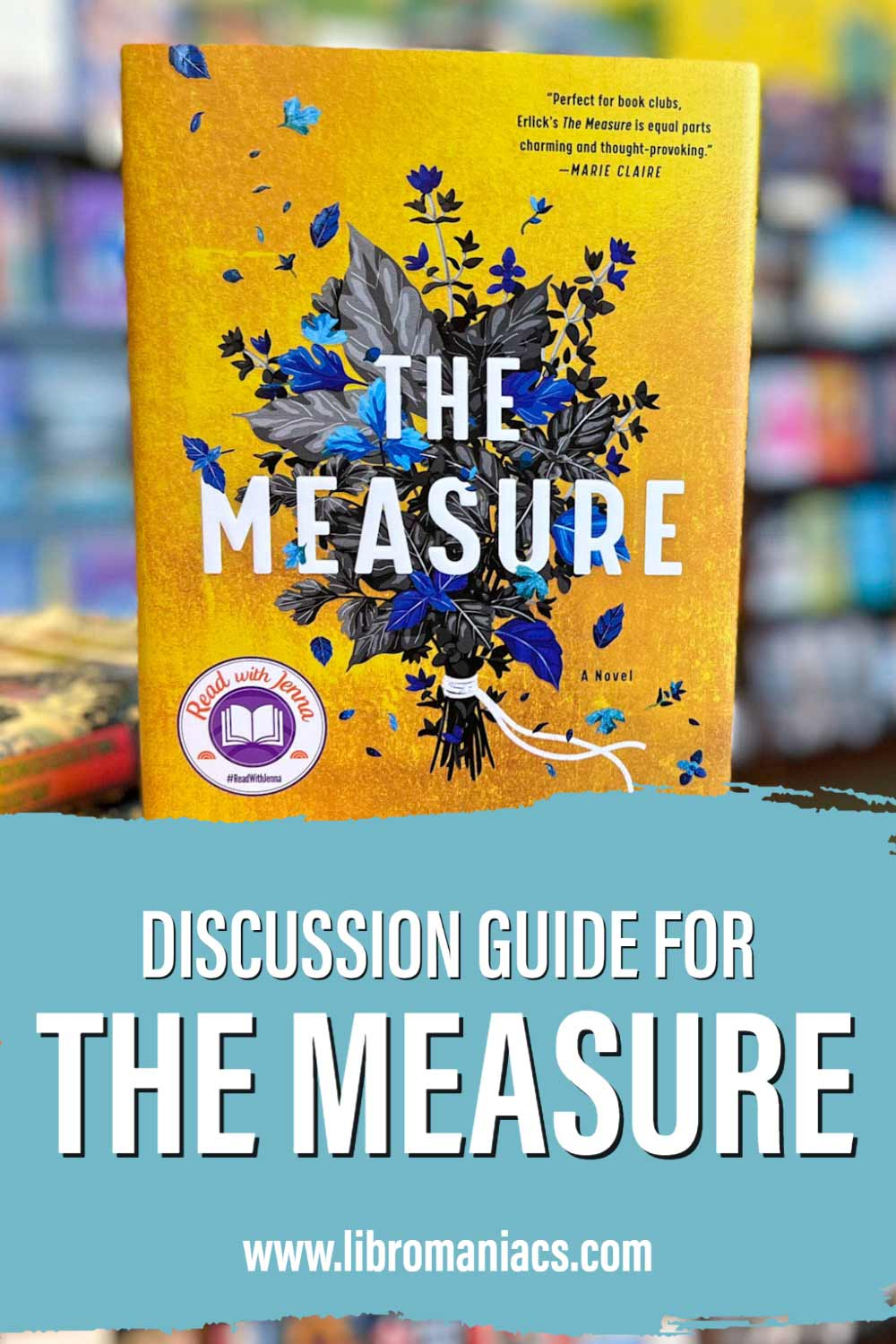

Participating in a book club is akin to embarking on an odyssey, where each member brings unique perspectives and insights to the table. One gripping novel that undoubtedly stirs vigorous discussions is “The Last Thing He Told Me” by Laura Dave. If you’re preparing for an engaging session revolving around this suspenseful tale, consider the following questions designed to evoke deep conversation, ignite your imaginations, and perhaps even challenge your understanding of the text.
Set against the backdrop of family intrigue and the resounding echoes of trust, the novel effortlessly intertwines themes of loyalty, deception, and the profound bonds of love. As you gather with your fellow book aficionados, contemplate asking:
1. What was your initial reaction to Hannah’s revelations about her husband?
This question invites your group to delve into their emotional responses. Did members find Hannah’s discoveries shocking, or were the clues meticulously laid out earlier in the narrative? It’s always fascinating to observe how different readers perceive the unfolding plot based on their own experiences and perceptions of trust.
2. How does Laura Dave use foreshadowing to build suspense throughout the story?
Examining the author’s craft can lead to stimulating discussions. Identify moments in the narrative where hints are dropped. Consider the effects these have on the overall atmosphere of tension and how they contribute to reader engagement. Challenge your group to find passages where the author skillfully builds anticipation, fostering an exhilarating shared experience of reading.
3. In what ways do the characters’ motivations propel the plot forward?
Character analysis is another avenue for discussion. Encourage members to dissect the nuances of each character’s motivation. What drives them? Is it love, fear, revenge, or a quest for justice? Their motivations are intertwined like vines in a garden, influencing each twist and turn of the plot. This question may unveil surprising revelations about how intricately character dynamics can sway the story quality.
4. How does the setting influence the narrative’s tension?
The settings in which Hannah finds herself can evoke various emotions and set tonal shifts throughout the book. Calling attention to this offers a layer of depth to the analysis. How do the contrasts between her normal life and the subsequent turmoil she faces reflect the themes of safety versus vulnerability? It poses an interesting challenge: can a location ever become a character in its own right?
5. What role does the concept of memory play in the narrative?
Memory, both in terms of individual recollections and collective history, serves as a fulcrum in “The Last Thing He Told Me.” Discuss how characters grapple with their memories and the consequences of selective recollection. Contemplate if memory serves as a reliable compass or a deceptive mirage for them. This question may spark a lively debate about the accuracy and reliability of one’s recollections in shaping identity and truth.
6. Are there any moments where you felt conflicted about the characters’ decisions?
Inevitably, your conversations will transition into the realm of moral ambiguity. As the plot develops, characters are often faced with formidable choices that can cast them in shadows. Discuss whether your members felt empathy for characters who made questionable decisions. This inquiry not only reflects the complexity of human nature but also highlights a central theme in thrillers: survival often necessitates navigating ethically murky waters.
7. If the story were to continue, what challenges might Hannah face?
This playful question invites creativity and speculation. Encourage your group to brainstorm plausible directions for the narrative. Would she confront her past? Would new characters emerge, perhaps with motivations contrary to her own? This imaginative exercise can enrich conversations as members promise to think beyond the final pages, contemplating how Hannah’s journey may evolve in unforeseen ways.
8. How does the ending of the novel challenge our perceptions of closure and resolution?
The finale often propels intense discussion as readers reflect upon its implications. Did it offer a satisfying conclusion or leave too many unanswered questions? Explore how the ending connects back to the themes of trust and betrayal that permeated the book. This can be an intriguing challenge as members debate their views on what constitutes an ideal resolution in a thriller.
As the evening winds down, conclude with a light-hearted question: What would you do if you found yourself in Hannah’s situation? Consider how hypothetical scenarios can foster dialogue about personal values and decision-making processes, making for a rich tapestry of conversation. It’s an engaging way to wrap up your discussions, inviting introspection and playful banter alike.
In summary, “The Last Thing He Told Me” offers a fertile ground for rich dialogue and varied perspectives, arming your book club with a treasure trove of discussion points. Each question is crafted not just to provoke thought but to unveil the layers of complexity woven throughout the narrative. With these topics in hand, prepare for an evening filled with excitement, intellectual exploration, and perhaps even some delightful surprises.
