
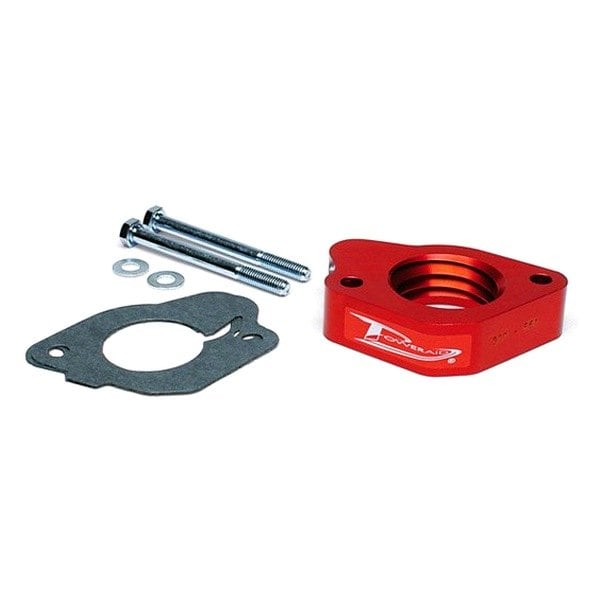

Throttle body spacers are often a point of intrigue for automotive enthusiasts, particularly those who are keen on enhancing their vehicle’s performance. But what exactly are these components, and do they live up to the hype surrounding them? Let’s delve into the mechanics and potential benefits of throttle body spacers, exploring what they can do for performance and why they capture the fascination of many car lovers.
To begin with, a throttle body is a critical component of an internal combustion engine, acting as a gatekeeper for airflow entering the engine. It controls the air-fuel mixture that the engine needs to operate efficiently. Now, introduce the throttle body spacer—a device installed between the throttle body and the intake manifold. This seemingly simple addition can alter the flow of air, and therein lies the question: can it really enhance engine performance?
One of the main objectives of installing a throttle body spacer is to improve airflow. The spacers are designed to create a turbulent flow of air as it enters the engine. This turbulence can increase the atomization of the air-fuel mixture, allowing for a more complete combustion process. Theoretically, this might lead to an increase in horsepower and torque, particularly in applications where high performance is desired.
Many enthusiasts report noticeable improvements in throttle response and acceleration after the installation of a throttle body spacer. However, the extent of these benefits can vary significantly. While some drivers revel in the invigorating boost in performance, others may find the enhancements to be marginal at best. It’s essential to recognize that the effectiveness of a throttle body spacer can depend on various factors, including the engine type, existing modifications, and the specific design of the spacer.
But why do throttle body spacers generate such fascination among car enthusiasts and tuners? Part of the allure comes from the realm of performance upgrades, which often entails a quest for efficiency and power. The idea of a relatively inexpensive component yielding significant gains is irresistibly enticing. Furthermore, for those who enjoy tinkering with their vehicles, the installation of a throttle body spacer can represent a rewarding and accessible entry point into the world of performance modifications. Thus, even before engine benefits are realized, there emerges a sort of camaraderie among enthusiasts who share tips and try out various setups.
Let’s consider the science behind these spacers. Most throttle body spacers feature either a plate or a tapered design. Tapered spacers are often regarded as more effective, as their shape facilitates better airflow dynamics. They aim to minimize restrictions of airflow’s entry path, thus enhancing the overall performance. Contrarily, flat spacers may not offer the same level of airflow improvement due to their simplistic design. When choosing a throttle body spacer, enthusiasts typically weigh these differences, looking for a product that promises the best potential for performance enhancement.
Moreover, throttle body spacers can influence other aspects of vehicle performance, such as fuel efficiency. While the primary aim is often to increase horsepower, many users have reported better fuel economy following installation. This phenomenon could be attributed to improved combustion efficiency. However, it’s vital to note that results can vary widely, and the notion of enhanced fuel efficiency should not be overly generalized or expected universally.
Additionally, compatibility is key when considering throttle body spacers. They must be tailored to specific makes and models to guarantee a proper fit and optimal performance. Before making a purchase, it is wise to consult compatibility charts or community forums for recommendations. This attention to detail can potentially save enthusiasts from the frustration of an ill-fitting part that could hinder performance rather than enhance it.
It’s worth noting that the installation of a throttle body spacer is usually straightforward, requiring minimal tools and time. This ease of installation contributes to its popularity among amateur mechanics who prefer DIY projects. However, care should be taken to ensure proper torque specifications are followed during installation, as improper fitment could lead to leaks or other issues that negate the potential benefits of the spacer.
Despite the promising advantages, some skeptics argue that throttle body spacers do not deliver substantial performance improvements. Critics posit that the gains are often negligible in stock setups, where the engine’s existing designs and limitations may mask any potential benefits derived from the addition of a spacer. Thus, while one might experience a slightly enhanced throttle response, those running largely factory components might not see the same dramatic improvements as those with a fully modified engine.
Ultimately, the decision to install a throttle body spacer will depend on the enthusiast’s personal objectives and the vehicle’s intended use. For those seeking to achieve minor improvements or adding subtle upgrades, a throttle body spacer could serve as a valuable addition. For others chasing major performance enhancements, it may be more effective to focus on comprehensive modifications, including changes to the exhaust system, headers, or ECU tuning.
In conclusion, throttle body spacers represent a fascinating intersection of engineering and automotive enthusiasm. They symbolize the continuing quest for performance amid a backdrop of shared passion among car aficionados. Whether they deliver on their promises often hinges on individual vehicle configurations and driving aspirations. Regardless, the exploration of throttle body spacers offers an engaging glimpse into the world of auto modifications, where even small tweaks can spark debates and inspire innovation among a community bonded by their love for cars.
