
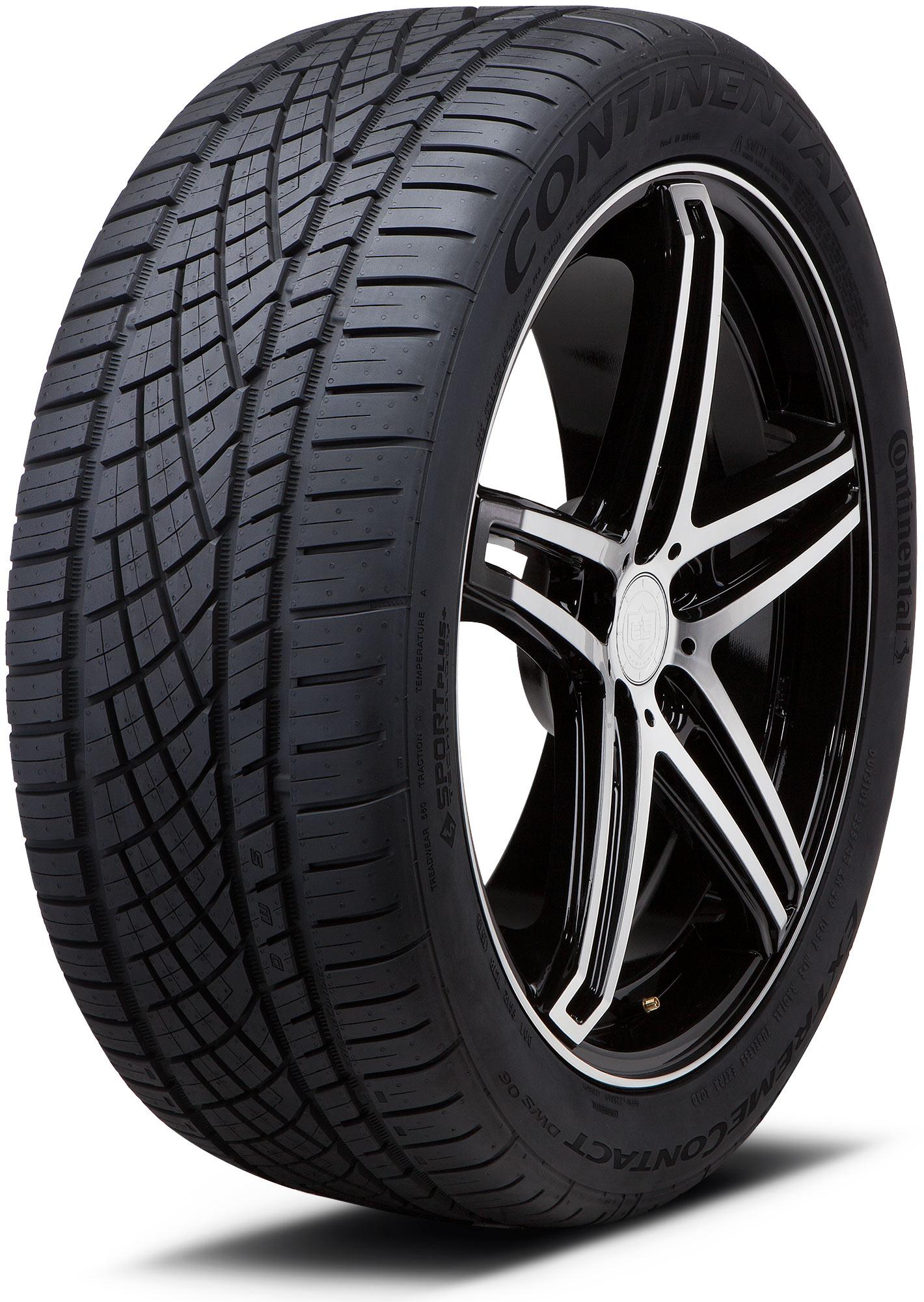

As you embark on your daily routine, a little light on your dashboard catches your eye – the low tire pressure warning light flickering with urgency. In that moment, a flurry of questions may crash into your mind, sparking curiosity: What does it mean? How urgent is the situation? Why is it illuminating now? This seemingly innocuous signal is not merely a nuisance; it serves as a portent of potential peril for you and your vehicle. Understanding the implications of this light can dramatically shift your perception of tire maintenance and safety.
Tires bear the brunt of the weight of our vehicles, connecting us to the road underneath. Yet, they often go overlooked, their crucial role taken for granted. When the low tire pressure light flashes, it signifies more than just a minor inconvenience. It’s a call to action—one that, if ignored, can lead to dire consequences. Let’s delve deeper into the nuances of tire pressure, the reasons your light could be aglow, and the broader ramifications on safety.
The Importance of Proper Tire Pressure
Maintaining correct tire pressure is paramount for several reasons. First and foremost, tire pressure impacts vehicle performance. Under-inflated tires can lead to decreased fuel efficiency, as more energy is required to displace the increased surface area that contacts the road. Simultaneously, over-inflated tires may result in diminished traction and grip, potentially jeopardizing control of the vehicle.
Moreover, tire pressure plays a significant role in ensuring even tire wear. Fluctuations in pressure can cause tires to wear unevenly, leading to premature replacements. This can quickly escalate from an inconvenience to a hefty financial burden. With a bit of awareness, these issues can be mitigated before they arise.
Causes of Low Tire Pressure
So, what causes that flashing low tire pressure light? The reasons can be multifaceted, yet some culprits are more common than others. Here’s a closer look:
- Temperature Changes: Ambient temperature can greatly affect tire pressure. A drop in temperature can cause the air inside your tires to contract, resulting in lower pressure. Conversely, warmer temperatures can inflate tires. It’s a critical relationship; not just one indicative of seasonal change, but one that can change literally overnight.
- Slow Leaks: Perhaps there’s a small puncture or leak in the tire? A slow leak can go unnoticed until your low pressure light triggers. This can stem from road debris or even a fault at the valve where air escapes.
- Potholes and Road Hazards: Colliding with potholes or other road imperfections can damage tires and wheels, leading to immediate or gradual air loss. These incidents can lead to both visible and invisible damage.
- Faulty Sensors: Sometimes, the issue may reside in the tire pressure monitoring system itself. While sensors are designed to alert you when a tire is low, malfunctioning sensors may provoke false alarms.
Understanding the underlying causes of low tire pressure is the first step to not only addressing the warning light, but also learning to appreciate the integral role tires play in your vehicle’s overall safety.
What Happens When You Ignore the Warning
The primary instinct may be to dismiss the flashing light and continue on your journey. However, ignoring this warning can lead to ramifications far beyond the dashboard’s glowing annoyance. If tires remain under-inflated, they can overheat, increasing the risk of a blowout. A blowout can create a catastrophic situation, leading to loss of control and potential accidents.
Additionally, prolonged periods of driving on damaged tires can result in costly repairs—not just to the tires themselves but to the wheels and suspension system. Ultimately, neglect can morph into a cycle of expenditure and stress that’s easily avoidable with proactive maintenance.
The Role of Regular Maintenance
To ensure your tires remain in optimal condition, regular maintenance is crucial. Not only should you check tire pressure once a month, but also before long journeys or drastic climate changes. A visual inspection can reveal cracks, bulges, or foreign objects that may be causing leaks. If the low tire pressure light is activated, address it promptly; the longer you wait, the higher the stakes become.
Moreover, ensuring your tires are rotated regularly and aligned correctly can prolong their lifespan and enhance safety. Establishing a relationship with a trusted mechanic can provide peace of mind and ensure that minor issues are detected before they escalate.
Shifting Your Perspective on Tire Care
Ultimately, the low tire pressure light should serve not as an annoyance, but as a herald of attention. Shifting your perspective to see tire maintenance as a vital part of vehicle care can foster a proactive approach to safety. By being attentive to this warning light, you’re not only preserving the longevity of your tires but also ensuring the safety of yourself and others on the road.
In conclusion, the flashing low tire pressure light is an invitation to engage with your vehicle’s well-being. Armed with knowledge, you can decode its message, transforming a simple warning into a valuable opportunity for about safety and responsibility. So next time you catch a glimpse of that light, pause and ponder: what’s really at stake? Your journey depends on it.
