

When it comes to owning a titanium ring or any other titanium accessory, many might wonder, “Can you clean titanium with alcohol?” It’s a question that beckons exploration. After all, titanium is revered for its corrosion resistance and durability, which leads to the assumption that traditional cleaning methods might not impact it negatively. However, like many things in life, the answer isn’t as straightforward as it seems. So, let’s embark on an enlightening journey into the realm of titanium cleaning.
Titanium, with its sleek and modern appeal, has become a popular choice for jewelry and other items. Its robust nature makes it an excellent candidate for everyday wear. But even the toughest material can accumulate dirt, body oils, and grime over time. Thus arises the conundrum—how to maintain its stunning appearance without jeopardizing its integrity? Can rubbing alcohol be the answer, or could it present an unforeseen challenge?
First off, let’s explore the characteristics of titanium. This remarkable metal is not only lightweight but also highly resistant to tarnish and corrosion. Unlike precious metals like silver or gold, titanium does not easily react with environmental elements. Hence, it remains a favorite among those seeking durable yet attractive accessories. However, while titanium is resilient, the cleaning methods employed can make a significant difference in maintaining its pristine condition.
Alcohol, particularly isopropyl alcohol, is a common cleaning agent found in many households. It’s touted for its effectiveness in disinfecting surfaces and removing stubborn residues. So, it’s natural to ponder if it’s safe for cleaning titanium. While alcohol may not corrode titanium, it could pose challenges depending on the type of finish that your titanium item possesses.
Many titanium rings and accessories feature special coatings, such as anodized finishes, which enhance their aesthetic appeal. Anodization is an electrochemical process that forms a protective oxide layer on the metal’s surface. This layer can impact how alcohol interacts with the titanium. For uncoated titanium, alcohol won’t lead to any immediate damage. However, it might dull the shine over time if used excessively. With coated pieces, the risk is heightened; the alcohol could wear away the coating, leading to a compromised look and feel.
So, what’s the verdict? If you have a simple, unbrushed titanium ring or piece, using alcohol sparingly may not be harmful. Conversely, for those with anodized or coated finishes, it’s advisable to abstain from alcohol-based cleaners. Instead, pivot to gentler alternatives that preserve both the metal’s integrity and its dazzling aesthetics.
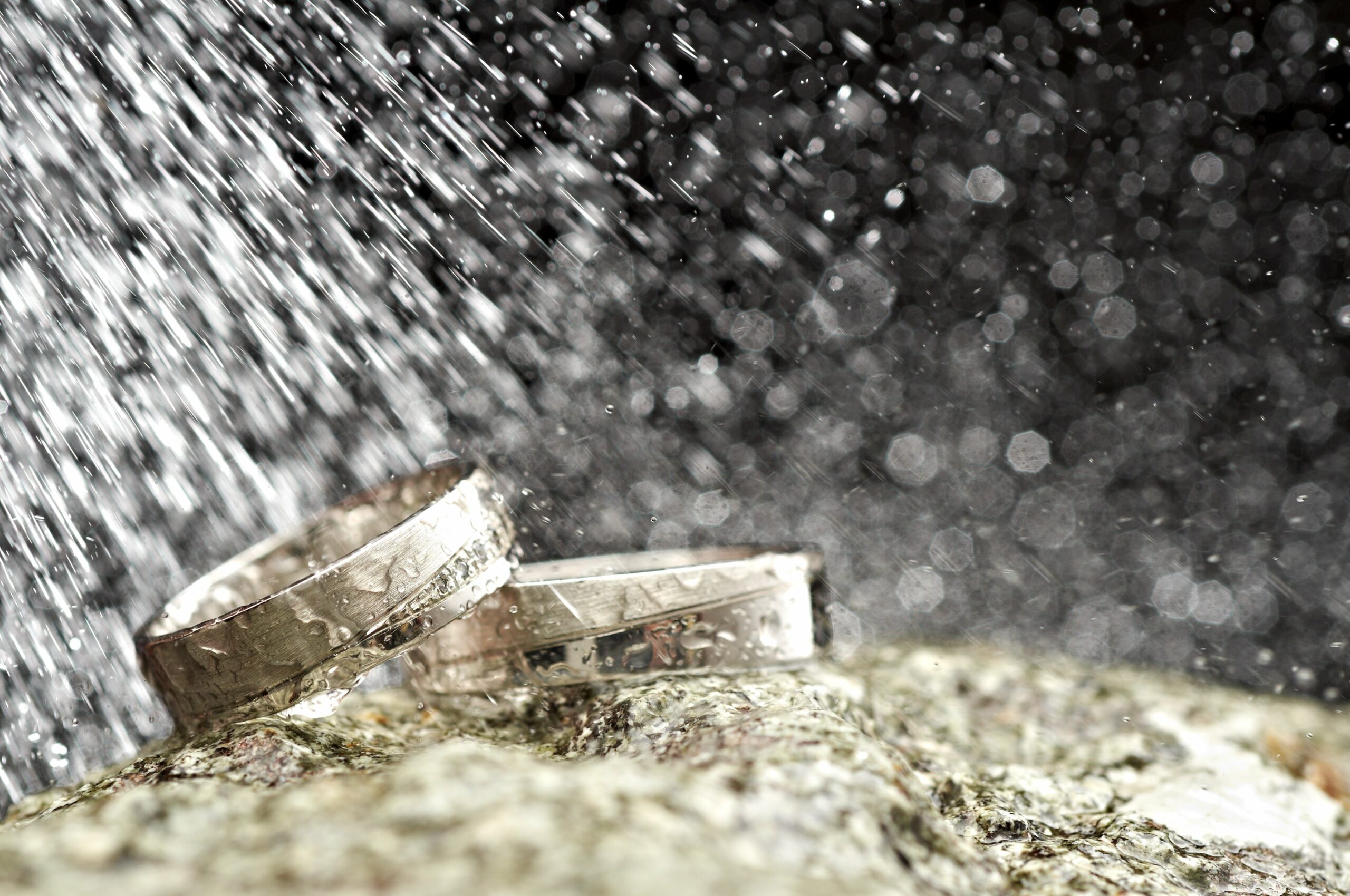
So, how does one proceed with cleaning titanium safely? Let’s delve into some effective cleaning techniques that are sure to keep your titanium looking its best without the potential hazards associated with alcohol use. A simple approach involves warm water and mild soap. Imagine this: lukewarm water cascading over your treasured ring as you gently lather it with a soft cloth or sponge. This method effectively removes dirt without scrubbing away any protective coatings. Rinse thoroughly with clean water, and you’ll reveal a shining piece that reflects your care and attention.
For tougher residues that soap and water cannot coax free, a soft-bristle toothbrush can be your ally. It is gentle enough not to scratch the titanium but firm enough to lift grime from intricate designs or crevices. When embracing this technique, pair it with a solution of water and mild dish soap for optimal results. Just remember to rinse diligently afterward to wash away any soap remnants.
If you’re facing more stubborn grime, a mixture of vinegar and water can serve as a sustainable alternative. Vinegar’s acidity may tackle stubborn spots while being less abrasive than alcohol, making it a friendlier option for coated surfaces. However, make sure to rinseify thoroughly afterward, as prolonged exposure to vinegar could itself tarnish the finish over time.
Another delightful option is ultrasonic cleaning, particularly for complex pieces embedded with stones or intricate detailing. This high-frequency sound technology operates in water, unleashing tiny bubbles that gently remove debris in hard-to-reach areas. It’s a professional-grade technique, so if your item is invaluable, consider seeking expert assistance.
Now that we’ve unravelled the cleaning conundrum, let’s take a moment to touch upon maintenance strategies to keep your titanium looking fresh and radiant. Regularly cleaning your titanium accessories should become a part of your self-care ritual, much like polishing your favorite shoes or fluffing your favorite linens. Creating this habit helps prevent the buildup of dirt and oils that can dull your precious pieces over time.
Storing your titanium items correctly also plays a crucial role in their longevity. Keep them in a soft pouch or a dedicated jewelry box to minimize scratches and abrasions. Avoid tossing them into drawers with other jewelry, where friction might lead to unsightly marks over time. With thoughtful care, your titanium treasures will remain striking for years to come.
In conclusion, while alcohol may not be the optimal companion for cleaning titanium, its inherent durability allows for various cleaning methods. As you navigate the world of titanium care, embrace gentler, more sustainable approaches that cater to its unique properties. Remember, maintaining the beauty of your titanium pieces is not merely a chore, but a chance to celebrate your sophisticated taste and enjoy your cherished possessions for years ahead. So, can you clean titanium with alcohol? The answer is far less important than how you choose to keep these exquisite pieces pristine in the long run.
