
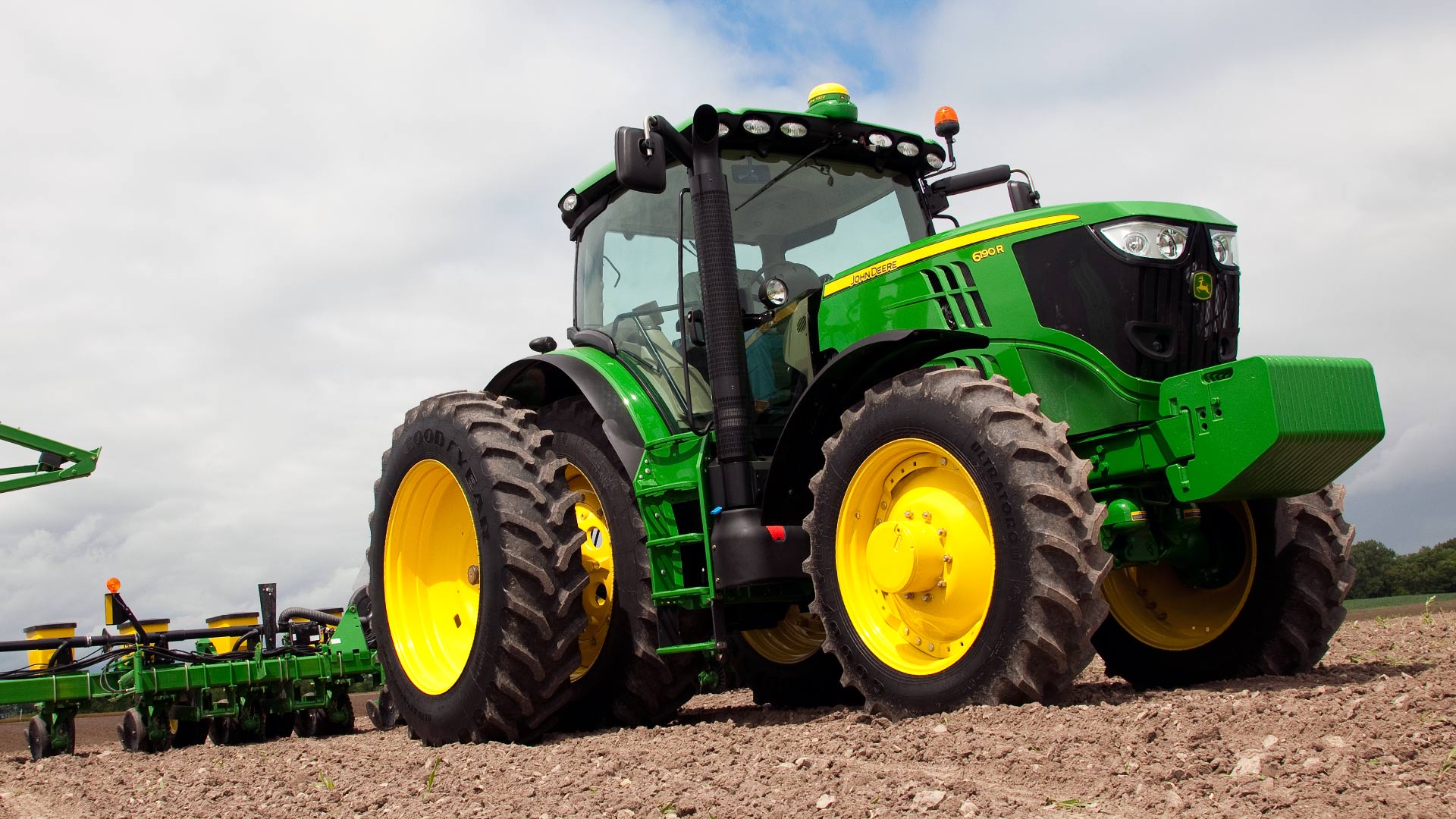

When you’mount the cab of a tractor, you enter a world where every gauge and light tells a story—a story that can determine the efficacy and safety of your agricultural ventures. Understanding the tractor dashboard is not just beneficial; it’s indispensable for any operator. Whether you are a seasoned farmer or a novice, comprehending the dashboard symbols can significantly enhance your operational efficiency. In this article, we will delve into the various symbols typically found on a tractor dashboard, their meanings, and how they can affect your farming experience.
The Importance of the Dashboard
The dashboard in a tractor serves as a control center, displaying crucial information about the machine’s performance. It serves the dual purpose of keeping the operator informed about the operational status of the tractor and managing the various components to ensure seamless functionality. From engine temperature and fuel levels to warning lights and system diagnostics, it is essential to interpret these signals accurately to avoid mechanical failure or complications in the field.
Main Components of a Tractor Dashboard
Understanding a tractor dashboard begins with familiarizing yourself with its main components. Typically, you will find:
- Gauges: Instruments that provide real-time data on performance metrics.
- Warning Lights: Indicators that alert you to any issues requiring immediate attention.
- Controls: Levers and buttons that allow you to manage various functions of the tractor.
Common Dashboard Symbols and Their Meanings
The world of tractor dashboard symbols is vast and diverse. Below are some of the most common symbols and what they signify. These are crucial for maintaining the health of your tractor and ensuring efficient operation.
1. Oil Pressure Warning Light
This amber or red light typically resembles an oil can. If illuminated, it indicates a drop in oil pressure, which could signify insufficient oil flow. Ignoring this warning may lead to severe engine damage. Always check oil levels immediately if this symbol lights up.
2. Battery Charge Warning Light
Symbolized by a battery icon, this red light indicates that the battery is not charging correctly. This could stem from a faulty alternator or a battery nearing the end of its lifespan. Neglecting this sign may leave you stranded in the field.
3. Engine Temperature Warning
An image of a thermometer is often used for this symbol. If this light turns on, your engine is overheating. This situation may occur due to low coolant levels or a malfunctioning radiator. Immediate action is necessary to prevent engine wear or failure.
4. Fuel Level Indicator
Typically depicted as a fuel pump and gauge, this symbol informs you of the current fuel level. A diminishing fuel level could halt your operations, so keeping a close eye on this indicator is vital for uninterrupted work in the fields.
5. Speedometer and Tachometer
These gauges measure your speed and engine RPM, respectively. Monitoring these figures is essential for efficient farming, as they help optimize fuel efficiency and preserve the longevity of the engine.
6. 4WD Indicator
A symbol representing a four-wheel drive vehicle will light up when this feature is engaged. Understanding when to use four-wheel drive can improve tractor traction and control on challenging terrains.
7. Transmission Warning
This light may indicate an issue with the transmission system, often signaled by an exclamation point or a wrench icon. Promptly engaging a mechanic may prevent further complications, including costly repairs.
8. Brake Warning Light
Typically shown as an exclamation mark within a circle, this light warns of a potential issue with the braking system. The brakes are instrumental for tractor safety, so this alert should not be overlooked.
9. Hydraulic Fluid Indicator
This symbol usually resembles a hydraulic system. When active, it indicates low hydraulic fluid levels and demands immediate attention to ensure that all hydraulic functions operate correctly, including steering and lifting capabilities.
Troubleshooting Common Dashboard Alerts
When dashboard warnings arise, having the knowledge to troubleshoot is invaluable. Regular maintenance such as checking fluid levels, conducting periodic inspections, and understanding system diagnostics can preempt many issues before they escalate.
For example, if the oil pressure light appears, examine your oil levels and the quality of the oil in the engine. Similarly, if the battery warning signals a problem, inspecting connections or replacing the battery may be warranted.
Technological Advancements in Tractors
With the advent of modern technology, many tractors now come equipped with advanced dashboard systems that not only display traditional symbols but also provide diagnostic readouts, fuel efficiency metrics, and even GPS integration for optimal routing in the field. This advancement has transformed how farmers operate, enabling them to make data-informed decisions efficiently.
Conclusion
The tractor dashboard is an essential component of modern agriculture, leading the operator towards safer and more efficient farming practices. Understanding its symbols and meanings prepares you to react effectively to challenges in the field. Staying informed and attentive to these dashboard alerts ensures that you maximize your tractor’s potential and contribute to more productive farming experiences. In this age of technology, being in tune with your machinery will undoubtedly give you a competitive edge.
