
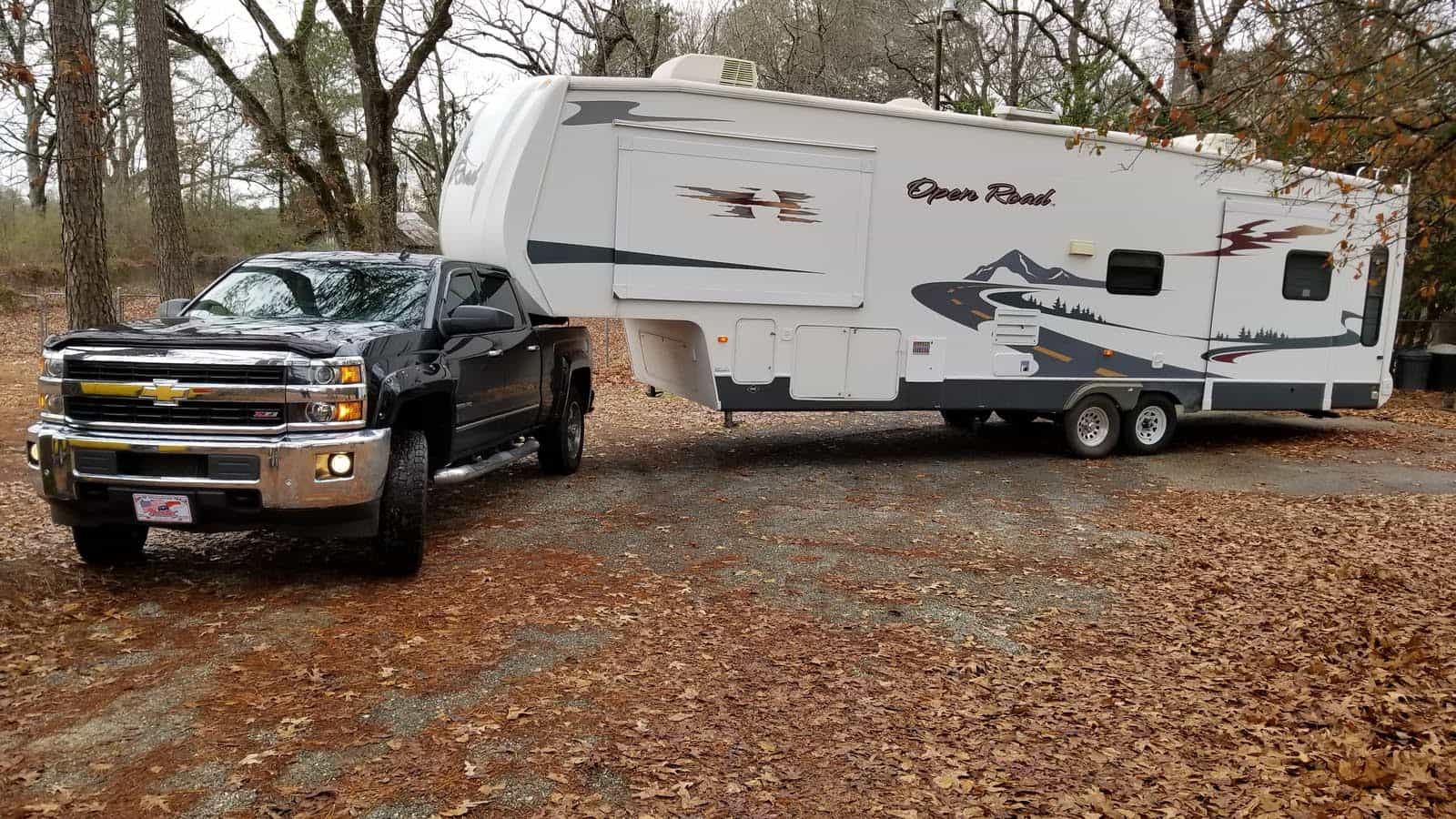

The world of towing offers a variety of hitch types, but two prevalent options dominate discussions among enthusiasts and professionals alike: the gooseneck and the fifth wheel hitch. Each presents unique advantages and disadvantages, making this topic a rich ground for debate among truck owners and trailer enthusiasts. Understanding these differences is paramount for making informed choices that impact not only towing efficiency but also safety, comfort, and maneuverability.
Definition and Mechanics
Before delving into the intricacies of both hitch types, clarifying their basic mechanics is essential. A gooseneck hitch consists of a ball mounted in the bed of the truck and is designed to connect to a coupler under the trailer. This allows for a pivot point located over the rear axle of the towing vehicle, creating a better load distribution across the vehicle. On the other hand, a fifth wheel hitch uses a kingpin connected to a trailer, locking into a plate mounted in the truck’s bed. The fifth wheel configuration also employs a pivot point, but it is generally positioned further forward than that of a gooseneck, resulting in different handling characteristics.
Towing Capacity
One of the most significant considerations in the gooseneck vs. fifth wheel debate is towing capacity. Gooseneck hitches almost invariably offer higher weight capacities, making them particularly appealing for heavy-duty situations. They are capable of handling loads exceeding 30,000 pounds in many cases, depending on vehicle specifications and hitch ratings. Conversely, fifth wheel hitches generally offer lower weight limits, typically maxing out around 20,000 to 25,000 pounds. While this is ample for many RVs and trailers, serious haulers may find the need for the superior capacity that goosenecks provide.
Stability and Control
Stability is another critical factor. As mentioned earlier, the positioning of the pivot point plays a crucial role in how a trailer behaves during towing. Gooseneck hitches, with their over-axle design, tend to provide exceptional stability, which reduces the risk of sway during highway driving. They are often the preferred choice for transporting livestock or equipment trailers, where swift maneuvers are vital.
Fifth wheel hitches, while generally stable, can sometimes impart a ‘rocking’ sensation during travel – especially if not properly loaded. However, fifth wheels are designed for long-distance, comfortable towing, which makes them a favorite among recreational vehicle owners who prioritize smooth rides over extreme weight capacities.
Maneuverability
Maneuverability is another vital aspect to consider. Gooseneck trailers are favored for their tighter turning radius, making them better suited for navigating narrow trails or parking in tight spots. The ability to navigate tighter corners can be particularly important for those who work in agricultural or construction environments. Conversely, the fifth wheel’s larger cup provides a more considerable turning radius, which can lead to challenges in highly congested areas despite their advantages on open highways.
Installation and Versatility
Installation is another criterion where these two hitch types markedly differ. Setting up a gooseneck hitch often requires drilling into the truck bed, which can be a tedious process. However, once installed, it remains a versatile option for those requiring towing across various scenarios. Fitting a fifth wheel hitch typically demands more specialized installation to handle its complexities effectively, though many truck owners find it worth the effort due to the comfort and stability during travel.
Moreover, the versatility of a gooseneck hitch allows for more diverse trailer configurations compared to a fifth wheel. The gooseneck can tow not only traditional flatbed trailers but also livestock and equipment without the need for extensive modifications. Fifth wheel hitches primarily cater to specialized RV configurations, which may limit versatility in certain environments.
Price and Value
When it comes to cost, gooseneck hitches often present a more budget-friendly option, not only in terms of initial purchase price but also installation costs. Fifth wheel hitches, while sometimes viewed as premium options, often come with a higher price tag due to their engineering complexities and added features. It is vital, however, to assess the long-term value these hitches can provide, factoring in maintenance, replacement, and the specific needs for towing.
Conclusion
The choice between gooseneck and fifth wheel hitches ultimately hinges on the specific requirements of the user. Gooseneck hitches excel in high-capacity towing and maneuverability, making them excellent choices for heavy-duty working conditions. In contrast, fifth wheel hitches shine in providing smooth, stable towing experiences designed for recreational travel. The decision should factor in intended use, compatibility with vehicles, and necessary towing capabilities. Thoroughly weighing these variables can lead to a well-informed choice, tailored not only to practical needs but also to enhance overall safety and experience on the road.
