
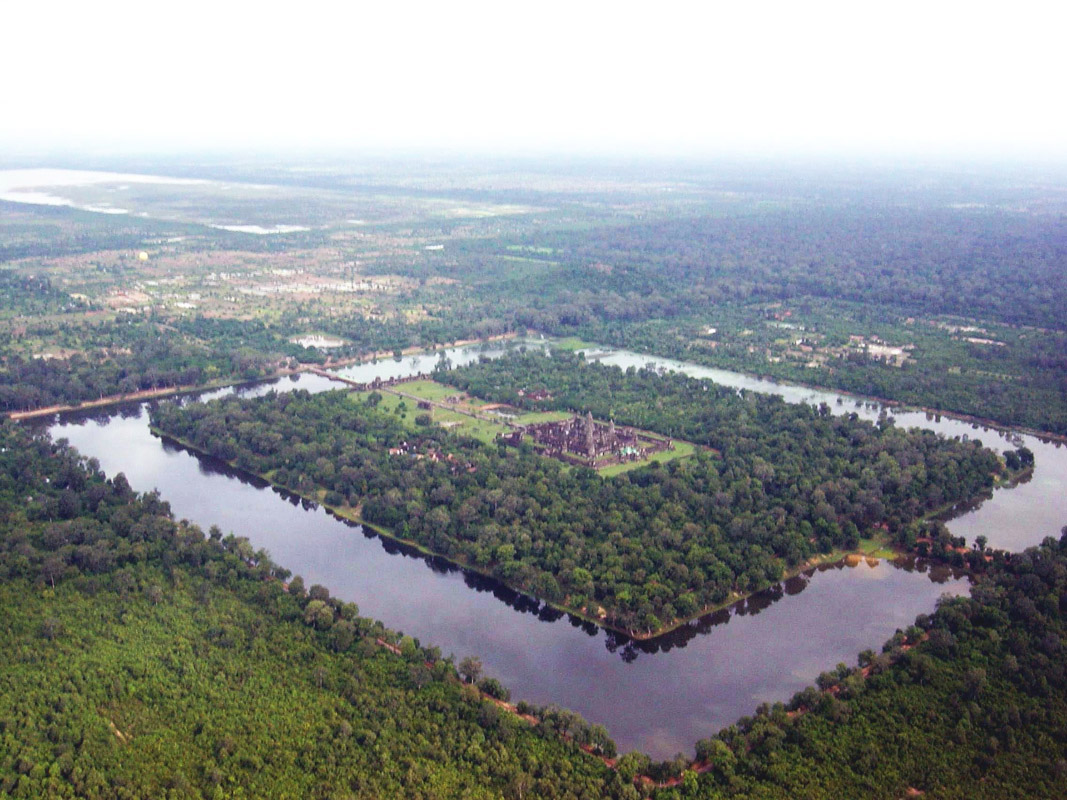

In the heart of Cambodia, the Angkor Wat temple complex stands as a monumental testament to the ingenuity of the Khmer civilization. Among its most enchanting features lies the Tree Temple, often referred to as Ta Prohm. This magnificent structure harmoniously melds nature with architecture, portraying a breathtaking example of how time and nature can coexist. Visitors to Angkor Wat will discover that the Tree Temple isn’t just a relic of the past but rather a vivid, living embodiment of history itself.
As one traverses the winding pathways leading to Ta Prohm, it becomes immediately apparent that this temple has been reclaimed by the very jungle that surrounds it. Towering trees, with their gnarled roots and expansive canopies, embrace the ancient stone walls with a tender ferocity. This convergence of nature and stone creates a surreal atmosphere that captivates all who tread its grounds. Such is the allure of Ta Prohm; it invites exploration and reflection, and every corner reveals an intricate dance between the organic and the inorganic.
Upon entering the temple, visitors are greeted by a striking sight: colossal roots snaking down ancient stone columns and enveloping them with a gentle embrace. The intertwining of nature and architecture provides a poignant reminder of the relentless passage of time. As the site was intentionally left in its natural state, it highlights the dedication to preserving both man-made and natural beauty. The careful balance continues to enthrall travelers, evoking feelings of reverence for both the artistry of the Khmer builders and the resilience of nature.
A noteworthy aspect of the Tree Temple is the symbolism embodied in its design. The trees represent life, growth, and continuity, while the stone temple stands as a reminder of man’s transient existence. Visitors often stop to ponder the profound notions of mortality and permanence as they wander amidst this symbiosis. Photographers capture the dance of light filtered through the tree branches, painting the temple in a myriad of hues throughout the day. The early morning glow or the golden hour at dusk accentuates the ethereal beauty of Ta Prohm, transforming it into a living masterpiece.
History is palpably present at the Tree Temple. Originally constructed in the late 12th century as a Buddhist monastery, Ta Prohm was dedicated to the mother of the king, Jayavarman VII. The intricate carvings and bas-reliefs pay homage to various deities and express the glory of the Khmer dynasty. Inside, one can view depictions of ancient flora and fauna, despite the overwhelming presence of trees today. These carvings serve as a connection to the past, offering insights into the spiritual beliefs and daily lives of those who once walked these hallowed grounds.
As one perambulates further into the ruins, the artistry becomes even more enthralling. Delicate carvings of celestial beings, flowers, and intricate motifs adorn the stone walls, whispering stories of a bygone era. The artistry stands in stark contrast to the wildness of the sprawling roots that seem to tell their own story of resilience against the elements. This interplay between human craftsmanship and nature’s unyielding force is fascinating, creating an inviting challenge to our understanding of permanence.
The surroundings of Ta Prohm also offer a variety of sensory experiences. The air is thick with humidity and the rich scent of verdant foliage. The rustling leaves create a soothing symphony that, at times, is interrupted by the calls of exotic birds. It is an immersive environment that encourages visitors to linger longer than they initially anticipated, prompting an appreciation for both the tranquility and vivacity of nature interwoven with the temple’s majestic presence.
The Tree Temple is not merely a destination; it is an experience that engages one emotionally and intellectually. Visitors often engage with local guides who provide insights into the archaeological efforts to preserve this UNESCO World Heritage Site. Stories of restoration and preservation efforts evoke a deeper understanding of the significance of Ta Prohm, showcasing the commitment to maintaining its delicate balance. Such conversations reinforce the importance of safeguarding these cultural treasures for future generations.
Moreover, ecotourism initiatives around Angkor Wat emphasize sustainable practices that protect the surrounding environment while allowing visitors to appreciate the Tree Temple’s unique beauty. Travelers are encouraged to tread lightly, to respect the ancient stones and the living trees. This aspect of responsible tourism fosters a sense of stewardship over these precious historical sites while enriching the visitors’ understanding of the local ecosystem.
In conclusion, the Tree Temple at Angkor Wat is a marvel of architectural ingenuity and natural beauty, representing a poignant narrative about the complexities of existence. It stands as a reminder of the junction between humanity and the natural world, urging onlookers to reflect on their place within this intricate tapestry of life. As travelers leave Ta Prohm, they carry with them not just photographs but indelible memories of a site that resonates with both tranquility and awe. The fragile harmony between stone and tree encapsulates a universal theme: the interdependence of nature and mankind, forever entwined in the fabric of time.
