
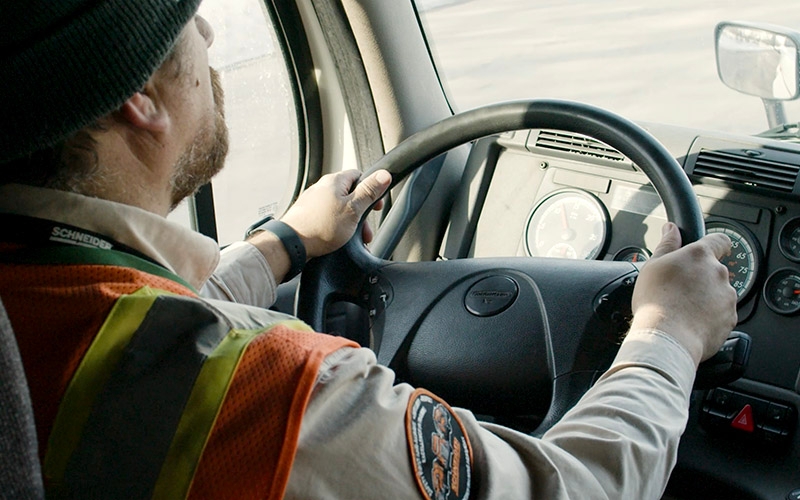

When we think about truck drivers, a whimsical question often floats to the forefront: how far can these road warriors actually travel in a day? While the answer might seem straightforward, the reality is layered, complex, and filled with variables that can challenge even the most seasoned professionals. Buckle up as we embark on a journey to uncover the intricate world of truck driver hours and the distances they cover during their daily hauls.
At the core of our exploration lies the fundamental question: how many miles do truck drivers drive a day? The Federal Motor Carrier Safety Administration (FMCSA) regulates the amount of time a driver can be on the road. Typically, drivers are permitted to operate a commercial vehicle for a maximum of 11 hours after 10 consecutive hours off duty. This legal framework is designed not just to ensure the efficient movement of goods across the nation, but also to safeguard the health and safety of the drivers themselves.
Now, for the sake of argument, let’s consider a hypothetical long-haul truck driver. After resting for the requisite 10 hours, this driver hits the road at 6 AM. If they maintain an average speed of 60 miles per hour, barring any unscheduled stops or obstacles, they could theoretically cover around 660 miles in a single, exhaustive day. Sounds impressive, right? But let’s take a moment to unpack that assertion.
First, we must acknowledge the unpredictable nature of life on the road. Factors such as traffic conditions, weather patterns, and road construction can significantly alter the distance one can travel in a day. For instance, a sudden downpour or a traffic jam can quickly transform a well-planned driving schedule into a scramble, leaving drivers grappling with the limitations imposed by external circumstances. The reality is that while 660 miles might be a tantalizing figure, it often remains within the realm of theory.
Moreover, different types of trucking routes yield varying miles per day. Short-haul drivers, for instance, usually operate within a tighter geographical area and may only average 100 to 300 miles per day. They often haul specialized goods and deliver to numerous locations, which can lead to frequent stops and shorter distances traveled, heightening the demands of their work. On the other hand, long-haul drivers, who traverse the open highways, may relish the opportunity to cover vast distances, but they too face the potential challenge of fatigue and diminishing focus as the hours tick by.
In addition, consider the psychological aspect of long-distance driving. It can be solitary and mentally taxing. Extended periods of isolation and being away from family take a toll on a driver’s well-being, leading to potential burnout. The competitive nature of the industry can add to this pressure, as drivers often feel compelled to maximize their hours to meet tight delivery schedules. This pressure may lead them to push beyond healthy limits, sparking a debate about the importance of work-life balance in such a demanding vocation.
Moreover, the ramifications of excessive hours on the road can be profound, not just for the driver, but for all road users. Driver fatigue is a perilous adversary that can culminate in accidents, injuries, and fatalities. Thus, the trucking industry is placing increased emphasis on mental health support and resources, encouraging drivers to prioritize their well-being. The question arises: how can we better support our heroic truck drivers on these long, winding journeys?
Additionally, technology continues to revolutionize the way drivers navigate their routes. With the advent of GPS and smart routing systems, drivers can optimize their journeys, avoiding congested routes and adjusting their travel plans in real-time. These innovations are crucial, as they can help boost productivity while also ensuring safer travels. But, this leads us to another playful pondering: in this age of advanced technology, does it alter the quintessential experience of being a truck driver? Is it still the rugged, adventurous pursuit it once was?
Ultimately, the answer to how many miles truck drivers drive a day is not one-size-fits-all. It varies considerably based on numerous factors, including the type of trucking being undertaken, the routes selected, and the driver’s personal capabilities and well-being. Striking a harmonious balance between meeting delivery demands and ensuring safety—both on an industry-wide scale and at the individual level—remains a significant challenge.
As we consider the diverse landscapes of the trucking world, we recognize that it is not just about the miles driven; it’s about the stories behind those miles. Each journey carries with it the weight of responsibility, the thrill of adventure, and the challenges of life on the road. And while the miles may vary, the essence of trucking continues to resonate, solidifying the crucial role these drivers play in our everyday lives.
In conclusion, truck drivers are essential to our economy and culture, navigating the complexities of long-haul journeys intertwined with the promise of reaching their destination. Let’s celebrate and consider the mileage—both figurative and literal—that they traverse while continually striving to enhance their experience on the open road.
