
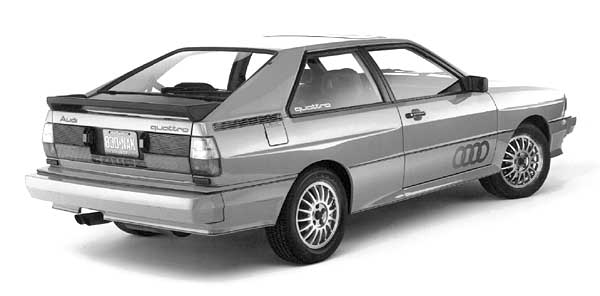

The 1983 Audi Ur Quattro (commonly referred to as URQ) represents a pivotal moment in the automotive landscape, celebrated not just for its performance but for its engineering prowess and design philosophy. Among car enthusiasts and classic car restorers, the Ur Quattro stands as a beacon of 1980s automotive culture, synonymous with rally racing innovations and a thorough breakdown of classic car restoration processes. A significant aspect of restoring this iconic vehicle lies within the intricate details of its floor pan—a component often overlooked by casual observers. However, a deeper examination reveals the floor pan is not merely a structural element; its condition can encapsulate a vehicle’s entire history and narrative.
When delving into the world of Ur Quattro restorations, one must acknowledge the vehicle’s unique place in Audi’s lineage. As the first of the modern all-wheel-drive vehicles, the Ur Quattro’s engineering encapsulated both a passion for performance and a revolutionary approach to handling and stability. However, with age comes the onset of wear, particularly concerning the floor pan, which bears the brunt of environmental exposure and, too often, restoration neglect.
The floor pan serves as the foundational basis for the entire car structure, providing rigidity and stability. In the case of the Ur Quattro, the floor pan is crafted from robust steel, intended to endure the rigors of racing and everyday driving. Yet, as is the case with many classic automobiles, signs of corrosion and deterioration often emerge, especially from exposure to moisture and, unfortunately, road salt. This deterioration not only compromises the integrity of the car but also impacts exterior panels and internal components.
One common observation among Ur Quattro restorers is the challenge of sourcing replacement floor pans. Original floor pans are becoming increasingly rare, which poses a problem for purists aiming for a faithful restoration. Thus, many enthusiasts turn towards aftermarket solutions. While aftermarket floor pans can provide an adequate solution, they often fall short of quality and fitment compared to original parts. This leads to an ongoing debate among restorers: Should one pursue authenticity, or accept modern alternatives for practicality’s sake?
This consideration of authenticity extends beyond mere aesthetics; it speaks to the heart of automotive restoration. Every dent, scratch, and rust spot tells a fragment of the Ur Quattro’s story. Restorers find themselves caught in a complex web of desire for originality while grappling with the harsh realities of age. The task becomes an art form, a blending of history, craftsmanship, and a sturdy appreciation for the engineering feats of the time.
Touching upon the restoration process itself, examining the floor pan specifically reveals intricate details that are critical to ensuring the vehicle’s longevity. The restoration begins with careful disassembly, where the aim is to assess not just the floor pan’s condition but to evaluate adjacent structural components as well. By removing interior elements and carpets, restorer can properly inspect and treat any areas displaying rust or damage.
Once the extent of required restoration is determined, there are several options. For minor corrosion, the restoration process may include media blasting to remove rust, followed by application of protective coatings such as sealers or paints that guard against future deterioration. Severe cases, however, may necessitate the replacement of sections of the floor pan. This involves precision cutting to ensure new pieces match the existing structure perfectly. The precision required here is meticulous, showcasing the quintessential skill set of experienced restorers who understand the need to preserve the original hatch and profile of the floor pan.
Additionally, integration of modern materials can enhance the longevity and performance of the restoration. Some craftspeople advocate for the use of galvanized steel, which offers improved corrosion resistance over the original materials. While this adaption invites debate on originality, it undeniably enhances durability, ensuring functionality for the vehicle’s next chapter.
As restorers pour their passion into the Ur Quattro floor pan, there’s a striking realization of how these tasks embody the soul of the car. Each weld, every layer of protective coating, corresponds to a mission of preservation. The community surrounding the Ur Quattro may be small, but it is fervent, reveling not only in the pursuit of an exquisite restoration but also in the camaraderie shared through collective stories and experiences.
The fascination with the Ur Quattro extends far beyond its appearance or performance. It is rooted in the journey of restoration itself—a blend of art, engineering, and storytelling. Enthusiasts become caretakers, preserving a piece of automotive history while passing down knowledge to future generations. As restorers step into their workshops, tools in hand, they engage in a dialogue not just with metal but with time itself, a profound connection where history breathes life into every facet of the restoration journey.
Ultimately, restoring a 1983 Audi Ur Quattro floor pan is about much more than correcting rust issues or replacing parts; it’s about honoring the legacy of a groundbreaking vehicle. Whether opting for a restoration that echoes the vehicle’s original design or adjusting to modern materials, the process fosters a deep appreciation and recognition of this iconic machine. As time marches on, the stories encapsulated within the floor pan, and indeed the entire vehicle, continue to resonate, ensuring that the legacy of the Ur Quattro lives on in both roads traveled and hands willing to restore.
