
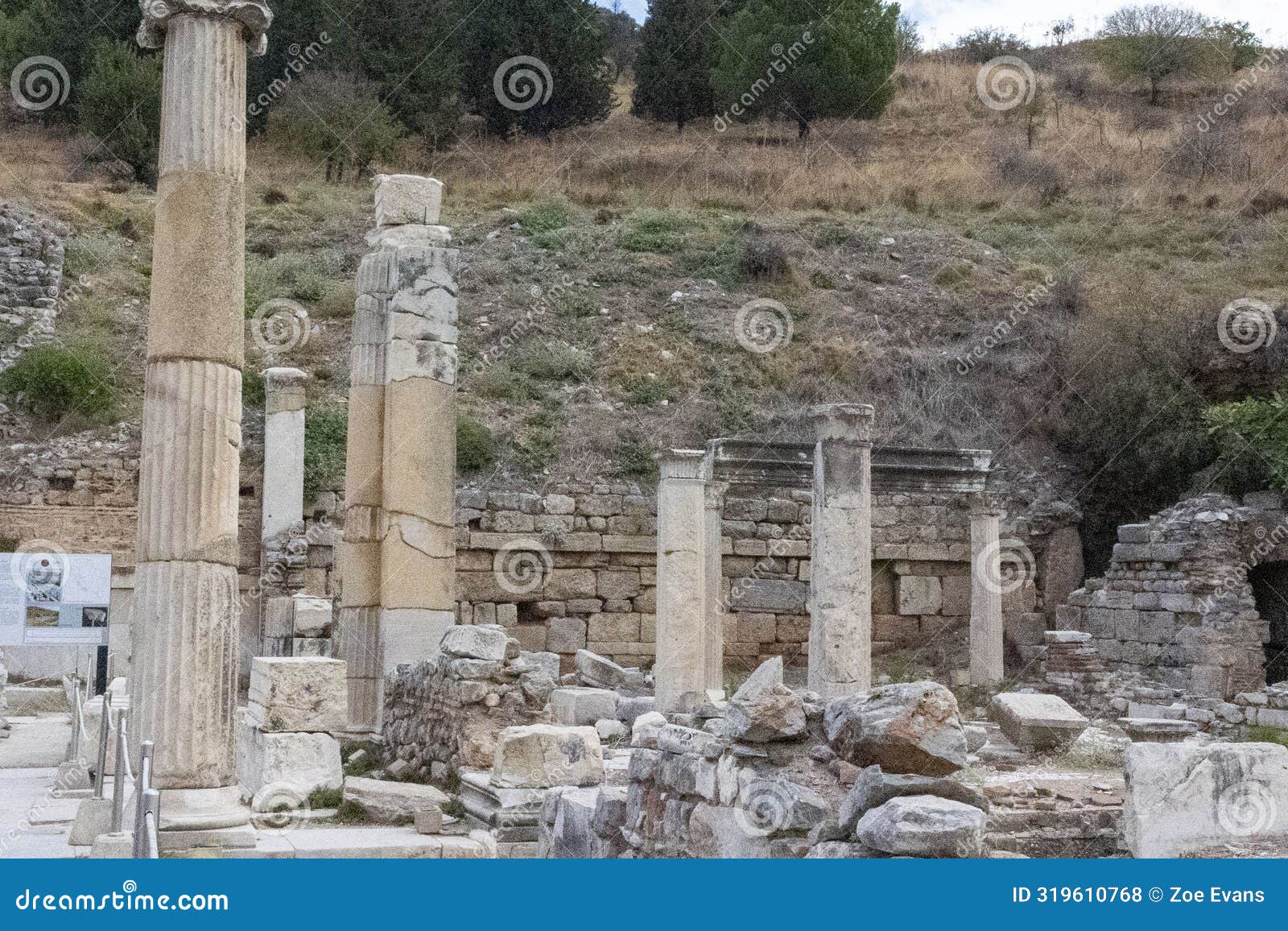

Ephesus, once a thriving hub of culture and commerce, beckons travelers with its timeless allure. Situated on the western coast of Turkey, this ancient city is not merely a relic of the past; it serves as a mesmerizing testament to the ingenuity and artistry of the civilizations that once flourished there. Wandering through Ephesus is akin to traversing through the pages of history, where the whispers of bygone eras echo off the weathered stones and ancient structures.
The journey through Ephesus commences at the magnificent gateway of the city: the Library of Celsus. As you approach this architectural gem, you are greeted by its grand façade, beautiful columns, and intricate carvings. The library, once a repository of thousands of scrolls, stands like a sentinel, guarding the knowledge of the ancients. Imagine the scholars who once roamed its halls, engrossed in the wisdom of the ages. The library is more than a mere structure; it symbolizes humanity’s quest for enlightenment, attending to the ever-expanding tapestry of thought and experience.
Strolling down the Marble Road, one quickly learns that the stones beneath your feet tell stories of commerce and daily life. This ancient thoroughfare, lined with crumbling pillars, is a fascinating contrast to the hustle and bustle of modern existence. Once a vibrant marketplace, it now serves as a conduit to the past. Here, vendors once hawked their wares, and townspeople engaged in spirited conversations. The echoes of their laughter and commerce seem to linger, creating a palpable connection to history.
As you wander further, the grandiose Theater of Ephesus emerges from the ruins, a monumental amphitheater that once seated 25,000 spectators. Its semi-circular form rises majestically, as if it were a colossal shell, cradling the sounds of the ancient world. This venue was the heartbeat of Ephesus, where dramas, speeches, and celebrations unfolded. Standing on its stage, one can easily imagine the powerful orators capturing the attention of an avid audience. The theater not only represents architectural prowess but also signifies the importance of community and the arts in ancient society.
To the discerning eye, Ephesus is adorned with a plethora of temples and altars that reflect the religious fervor of its inhabitants. The remains of the Temple of Artemis, once considered one of the Seven Wonders of the Ancient World, whisper tales of devotion and grandeur. Although much of the temple has succumbed to time and turmoil, the site’s ethereal quality evokes a sense of reverence. The remnants of its colossal pillars stand as a metaphor for resilience, a reminder that glory can withstand the test of time, albeit in fragments.
Engaging with Ephesus is not a mere sightseeing activity; it is an immersive encounter with the legacy of civilizations. The remnants of homes, complete with intricate mosaics and frescoes, offer a glimpse into daily life. The Basilica of St. John rises from the ruins, its presence a testament to the intertwining of history and spirituality. Each relic serves as a puzzle piece, contributing to the larger narrative of cultural evolution.
Among the stones and shadows of Ephesus lies the lesser-known but equally captivating site of the Terrace Houses. Often overshadowed by the more prominent landmarks, these residential quarters unveil the opulence of affluent Ephesians. The remnants of their frescoed walls and elegant designs provide insights into the artistry and daily life of the elite in ancient times. Like a novel waiting to be read, each inch of these excavated homes invites curiosity and admiration.
As one meanders through the extensive ruins, the environment offers its own lessons. The changing landscape of Ephesus serves as a poignant reminder of nature’s fragility. The once-bustling harbor has receded, showcasing the inevitable shifts in geography and climate. This evolution underscores the significance of environmental sustainability. It is a call to action, urging visitors to reflect on the balance between human achievements and the stewardship of our planet.
Visiting Ephesus transcends mere tourism; it is an invitation to engage with the philosophy of what has been left behind. Each artifact is imbued with life; each column stands as a testament to the dreams and aspirations of an advanced civilization. The juxtaposition of grandeur and decay prompts introspection. It encourages philosophical musings on the temporal nature of existence and the enduring legacy of humanity’s achievements.
As the sun sets over Ephesus, casting long shadows across the ruins, one cannot help but feel a profound connection to the past. This ancient city, akin to a vast canvas, continues to evolve, revealing wisdom and insight to those willing to look closely. An evening stroll through the site can evoke reverence, while the sounds of the breeze rustle through the remnants, playing a gentle symphony of history and hope.
In conclusion, to venture into Ephesus is to embark on a journey through time, where each ruin and relic beckons with the promise of discovery. It is a reminder of the magnificent heights to which human creativity can soar, as well as a cautionary tale of the impermanence of existence. Ephesus remains an enduring symbol of what was, while simultaneously serving as a catalyst for reflection on the future we must forge. In our quest for progress and understanding, let us take heed of the lessons imparted by the silent stones that constitute this remarkable tapestry of history.
