
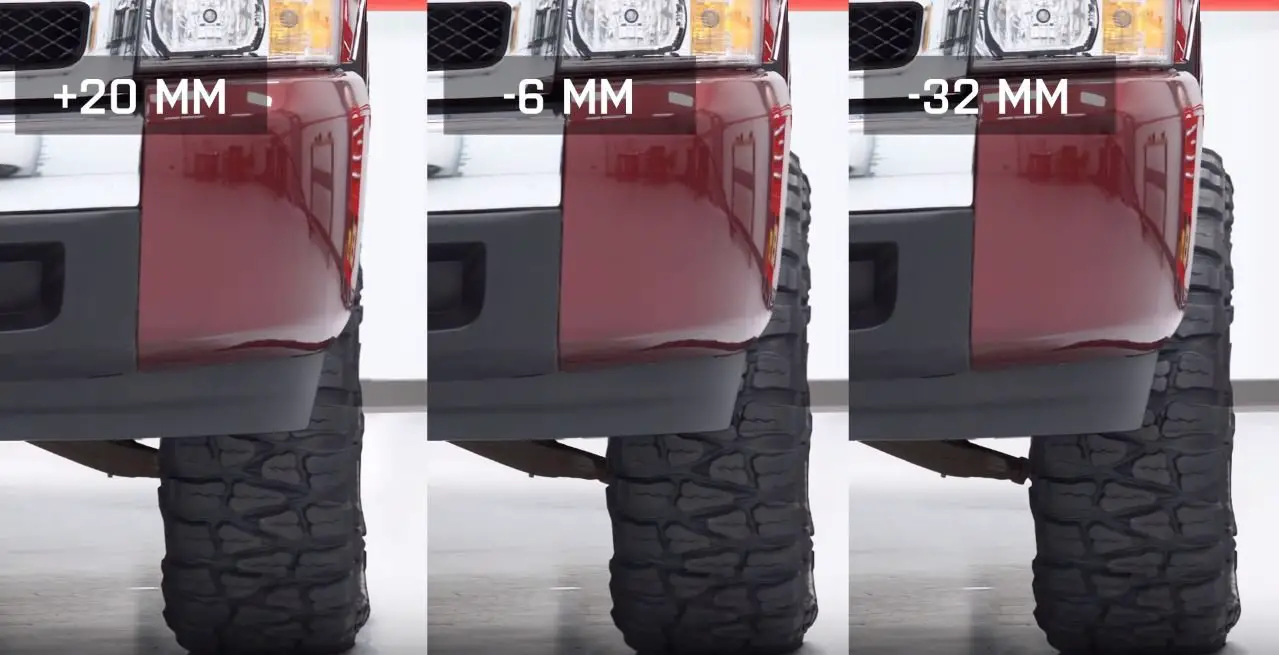

When delving into the realm of automotive modifications, one of the most captivating topics is wheel offset. Specifically, the question surrounding the functionality and aesthetic implications of -12 offset wheels often sparks curiosity. So, how far will -12 offset wheels stick out? The answer is multifaceted, weaving together the principles of geometry, vehicle design, and personal preference.
Wheel offset refers to the distance from the wheel’s mounting surface to the centerline of the wheel. This measurement is crucial because it directly impacts the vehicle’s stance, steering, and overall performance. Wheel offset is categorized into three types: zero, positive, and negative. A negative offset, such as -12, means that the mounting surface is positioned further out from the centerline, pushing the wheel further from the vehicle’s body.
Now, one might ask: why would someone want to install wheels with a significant negative offset like -12? Aesthetic appeal plays a predominant role. A wider wheelbase can enhance the vehicle’s appearance, projecting a more aggressive stance that many enthusiasts seek. Additionally, such modifications can potentially improve handling characteristics by providing greater stability during cornering. However, these advantages are accompanied by challenges that merit closer examination.
When you attach -12 offset wheels, it’s essential to factor in the width of the wheels as well. A wider wheel will protrude more than a narrow wheel. For example, if you mount a 10-inch wide wheel with a -12 offset, it could extend several inches beyond the fender line of a car that uses factory specifications. This protrusion can lead to visual flair but also raises practical concerns regarding clearance. Will wider tires rub against the suspension components or bodywork during turns? This is a challenge every car enthusiast must address.
Moreover, the vehicle’s make and model influence how far the wheels extend outward. Different vehicles have varied suspension setups and geometric designs. For instance, a pick-up truck may accommodate a higher degree of offset without rubbing, while a compact car might find itself at risk of tire and body interference with a negative offset of -12.
Another critical aspect is the importance of maintaining proper suspension geometry. Adjusting the wheel offset can inadvertently alter how the vehicle handles. An excessive negative offset can lead to changes in camber, which affects tire wear. Misalignment may occur as the stress on various suspension components increases, potentially leading to uneven tire wear and reduced longevity. Therefore, while the allure of -12 offset wheels may entice enthusiasts, careful consideration must be given to the broader implications on vehicle dynamics.
Legal ramifications are yet another layer to consider. In many jurisdictions, modifying a vehicle’s wheel offset can lead to non-compliance with local vehicle regulations. Extended wheels may exceed allowable fender limits, which can result in fines or requirements to revert to the original specifications. It is paramount for owners to familiarize themselves with their local motor vehicle codes before undertaking such modifications.
What happens when the wheels protrude past the fenders? This question presents itself with compelling complexity. While many car enthusiasts appreciate the raw, aggressive look of wheels that extend beyond the body, it may invite additional challenges. Increased exposure of the tires to road debris can accelerate wear, necessitating more frequent replacements. Furthermore, there’s a potential increase in spray during wet conditions, which could limit visibility for other drivers. Hence, the balance between aesthetics and practicality must be mastered.
Moreover, one wonder remains: Can one effectively mitigate the challenges posed by such modifications? Yes, indeed. Several approaches can be utilized to couple style with function. For instance, fender flares can be installed to accommodate the extended wheels, offering protection while giving the vehicle a unique flair. Additionally, adjusting the suspension height can create the necessary clearance, allowing for a smoother ride without compromising aesthetics.
In summary, opting for -12 offset wheels can dramatically alter a vehicle’s dynamics. While they offer aesthetic allure and potential performance benefits, one must navigate a myriad of considerations. From wheel width to vehicle dynamics, and legal compliance to maintenance concerns, the implications of such a decision are extensive. Enthusiasts are encouraged to weigh the benefits against the potential challenges meticulously. Will the allure of an aggressive stance outweigh the practical concerns that arise from such modifications? This question remains subjective, reliant on individual preferences and circumstances.
Ultimately, the venture into the world of wheel offset illustrates the delicate dance of creativity, engineering, and personal expression. Whether for performance or aesthetics, each decision carves a path that shapes the identity of the vehicle, exemplifying the confluence of technology and artistry in motion. So, as you contemplate the journey ahead, consider not just the alluring visual impact of -12 offset wheels, but all the ramifications that accompany this decision. The road ahead may be exhilarating, but it beckons careful navigation.
